Extracting hangovers from beer: inside Budweiser owner’s ‘nolo’ brewery in south Wales
A “de-alcoholisation facility” sounds like somewhere to check in after a boozy Christmas, but in the new annexe of a brewery in south Wales they are extracting hangovers from beer.With demand for no-alcohol and low-alcohol (“nolo”) beer taking off in the UK, the hi-tech brewing apparatus enables the plant at Magor, which produces more than 1bn pints of Budweiser, Corona and Stella Artois a year, to make the increasingly popular teetotal versions too.The new unit is part of AB InBev’s global brewing empire and at its official opening on Friday, Brian Perkins, whose wider management responsibilities include running the drinks group’s UK arm, acknowledged that in the early days alcohol-free beer tasted “lousy”.Alcohol gives beer a sweet, warming, full-bodied taste, as well as affecting how other flavour compounds evaporate, resulting in its distinctive flavour.So removing it and being left with a drink that still tastes good has been a huge challenge for the industry.
“No-alcohol beer used to taste terrible because the technology was quite primitive,” Perkins said.“Beer is very delicate; you need to treat it with care, and that ended up affecting the taste.You got beer with no alcohol but it tasted lousy.”But the world has moved on.The de-alcoholisation unit uses state-of-the-art technology that represents a “significant step forward in preserving the full flavour and aroma of the beer”, according to the company.
The brew undergoes its metamorphosis inside hulking stainless steel columns, with the alcohol extracted using a process called vacuum distillation.This involves reducing the atmospheric pressure, lowering alcohol’s boiling point and allowing the beer to be heated to a warm temperature to retain taste while evaporating the alcohol.By avoiding prolonged exposure to high temperatures, the original character of the tipple (if you are partial to Stella or Corona) is maintained while ensuring it is alcohol-free.Perkins’ view is that the machine “treats the beer very sensitively and delivers a fantastic taste”.From the outside, the news that AB InBev, the world’s biggest brewer with annual sales of $59.
8bn (£44,9bn), is investing in no-alcohol beer might seem like a turkey voting for Christmas, but Perkins calls it a “massive opportunity”,The demand is coming from several places, including drinkers opting for a headache-free Monday-night beer and “zebra stripers” – those alternating between alcoholic and non-alcoholic drinks on a night out,“We don’t see it as a disruptor – we see it as something that’s making the category more inclusive,” he said,With 29 no-alcohol beer brands under its belt, including Corona Cero and Budweiser Zero, in its last quarterly update the brewer said its 0% beers powered a 27% increase in global revenue.
The availability of alcohol-free beers on tap in pubs is expected to further normalise the choice.In the summer, Stella Artois 0.0 made its draught debut at Wimbledon and the range is now being trialled at a small number of UK pubs in readiness for a bigger rollout next year.Sign up to Business TodayGet set for the working day – we'll point you to all the business news and analysis you need every morningafter newsletter promotionThe prize could be big.In 2024, the UK beer market was worth more than £13.
5bn, according to the drinks industry data company IWSR.Since 2019, the average annual growth in demand for no-alcohol beer has topped 20% to account for 2% of the market by volume.IWSR predicts this figure will double to 4% in 2029.Susie Goldspink, IWSR’s head of nolo alcohol, said 0% beer was the most dynamic area of the new market.“Innovation levels are high, consumer engagement continues to grow, and there is plenty of headroom for growth,” she said.
One gripe from consumers is that alcohol-free beer often costs the same as the heavily taxed real thing.Perkins says it charges a fair price and points to the additional expense involved.“We brew the beer according to the same process, and then add a step and that step has required new capital equipment and millions of dollars,” he said.The $3.9m that the company has poured into the de-alcoholisation facility is small beer in the context of the vast global brewing industry, but Perkins calls it a “significant step” at a time when he senses rivals “pulling back” from investing in the UK.
“Magor has long been a centre of innovation … and this facility helps secure its role for the future,” he said.It is not hard to see why competitors might sit on their hands.The hospitality industry is in turmoil as consumers rein in spending at a time when business costs are rising.The government’s decision to raise employer national insurance contributions was unpopular, but the overhaul of business rates announced in the budget has proved the final straw for some.Attending the opening, Chris Bryant, the minister for trade policy, pointed to the business rates help package, which includes £3.
2bn in transitional relief (which caps the increase in rates for each year),Bryant said the investment in Magor was “protecting jobs and making sure that we’ve got them into the future,People’s [drinking] habits are changing and that’s why it’s good we’re going to have alcohol-free beer brewed in south Wales, rather than relying on it coming from the Netherlands or Belgium,”
Anglo American drops plan to pay bosses millions in bonuses after $50bn Teck merger backlash
London-listed miner Anglo American has dropped plans to award its bosses multimillion-pound bonuses if its planned $50bn mega-merger with a Canadian rival goes through, after a backlash from its investors.The FTSE 100 miner had sought shareholder approval for a plan to award its chief executive, Duncan Wanblad, a share bonus worth £8.5m if the deal to buy Teck Resources to create a copper producing giant was completed.Other senior executives were also incentivised through the plan, which would have updated long-term awards made in 2024 and 2025 to hand them a minimum of 62.5% of share awards when the merger was completed
‘We’ll never be able to rebuild’: despair of ex-Vodafone franchisees and pressures on their mental health
Experiences raise questions about how telecoms firm treated small business owners, whose commission it cutWhen Adrian Howe drowned in August 2018, his family found some solace in the support of his longtime employer.The bond between the 58-year-old and Vodafone – the multinational mobile phone group for which Howe had worked for 20 years – was so tight that his funeral featured a wreath shaped like the company’s speech mark brand.Meanwhile, his widow was paid the equivalent of a death-in-service benefit, even though Howe had left the company weeks earlier. “I was reassured that Dad would be ‘reinstated’ back into Vodafone as if he had never actually left,” recalls daughter Kirsty-Anne Holmes. “He had [left] in order to open [Vodafone] stores as a franchise
Extracting hangovers from beer: inside Budweiser owner’s ‘nolo’ brewery in south Wales
A “de-alcoholisation facility” sounds like somewhere to check in after a boozy Christmas, but in the new annexe of a brewery in south Wales they are extracting hangovers from beer.With demand for no-alcohol and low-alcohol (“nolo”) beer taking off in the UK, the hi-tech brewing apparatus enables the plant at Magor, which produces more than 1bn pints of Budweiser, Corona and Stella Artois a year, to make the increasingly popular teetotal versions too.The new unit is part of AB InBev’s global brewing empire and at its official opening on Friday, Brian Perkins, whose wider management responsibilities include running the drinks group’s UK arm, acknowledged that in the early days alcohol-free beer tasted “lousy”.Alcohol gives beer a sweet, warming, full-bodied taste, as well as affecting how other flavour compounds evaporate, resulting in its distinctive flavour. So removing it and being left with a drink that still tastes good has been a huge challenge for the industry
‘Zombie’ electricity projects in Britain face axe to ease quicker grid connections
Britain’s energy system operator is pulling the plug on hundreds of electricity generation projects to clear a huge backlog that is stopping “shovel-ready” schemes from connecting to the power grid.Developers will be told on Monday whether their plans will be dismissed by the National Energy System Operator (Neso) – or whether they will be prioritised to connect by either the end of the decade or 2035.More than half of the energy projects in the queue will be removed to make way for about £40bn-worth of schemes considered the most likely to help meet the government’s goal to build a virtually zero-carbon power system by 2030.The milestone marks the end of a two-year process to clear the gridlock of laggard “zombie” projects awaiting connection that meant many workable proposals were facing a 15-year wait to plug into Britain’s transmission lines.Ed Miliband, the energy secretary, said: “We inherited a broken system where zombie projects were allowed to hold up grid connections for viable projects that will bring investment, jobs and economic growth
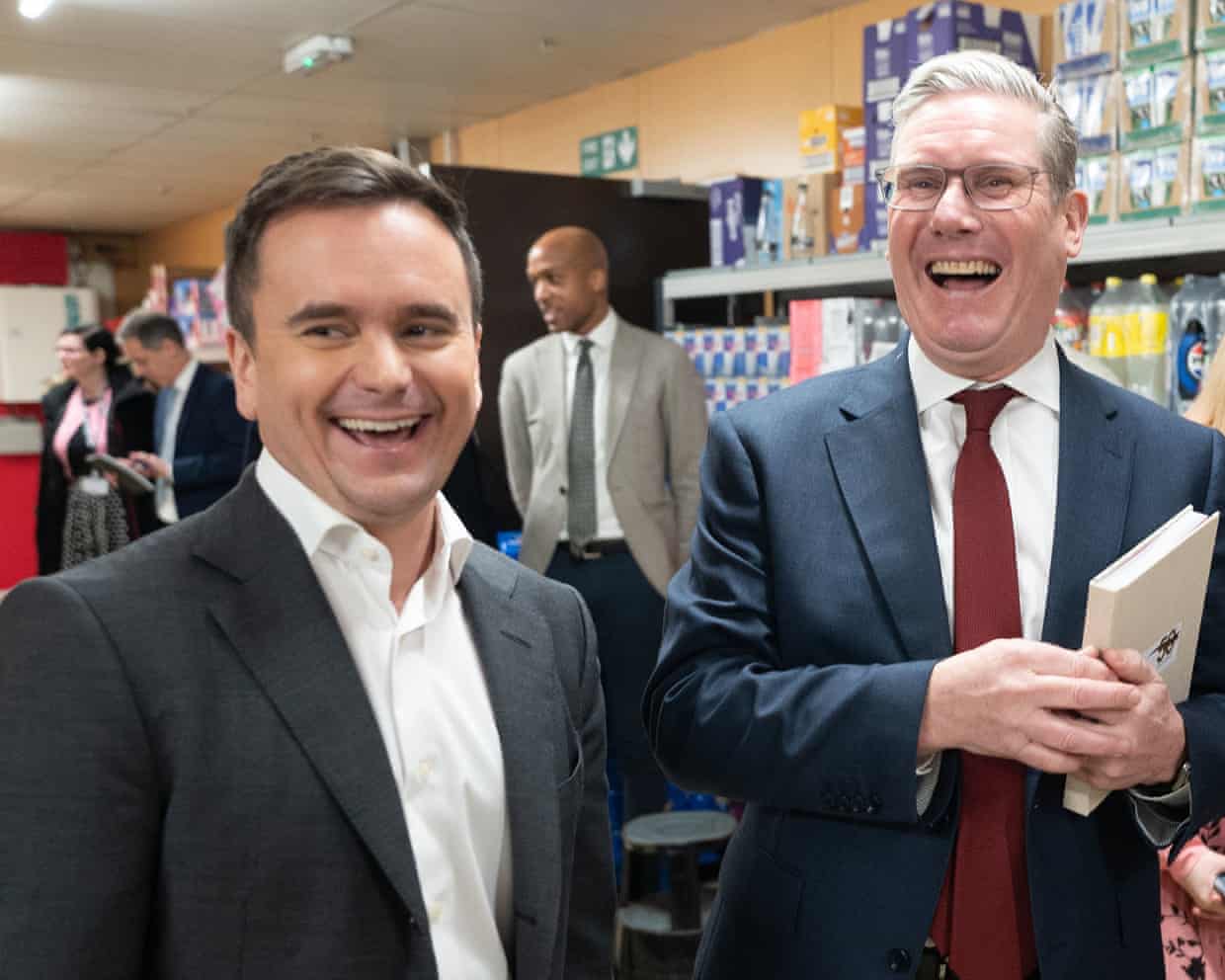
Keir Starmer to make Iceland boss Richard Walker a Labour peer
The formerly Conservative-supporting boss of the supermarket Iceland is to be made a Labour peer when the party appoints another 25 representatives to parliament’s upper house later this month.Keir Starmer will appoint Richard Walker to the House of Lords, the Guardian understands, the culmination of an unusual and rapid political transformation for someone named as a prospective Tory MP candidate a little over three years ago.It was only February this year when Iceland’s executive chair was rating Starmer’s government six out of 10, saying that Labour needed to focus on “inclusive growth and everyday growth” that could “trickle down in everyday people’s lives”.As a Labour peer, Walker will get the chance to push for policies close to his heart including closer relations with the EU and also for a more positive message on the economy.He took over the leadership of Iceland in 2023 after his father, Malcolm Walker, stepped down from the frozen foods chain he had founded in 1973

Bill Kingdom obituary
My husband, Bill Kingdom, who has died aged 69, was a global leader in water supply and sanitation. He worked for 20 years with the World Bank, based in Washington DC from 1999 to 2019, where he led urban and rural water supply and sanitation projects. He developed innovative financial and governance frameworks in south and east Asia, southern Africa, and the Middle East. His work provided access to clean and affordable water for some of the poorest people in the world.Bill’s early career was with Mott MacDonald, the engineering consultants based in Cambridge, from 1978 to 1986
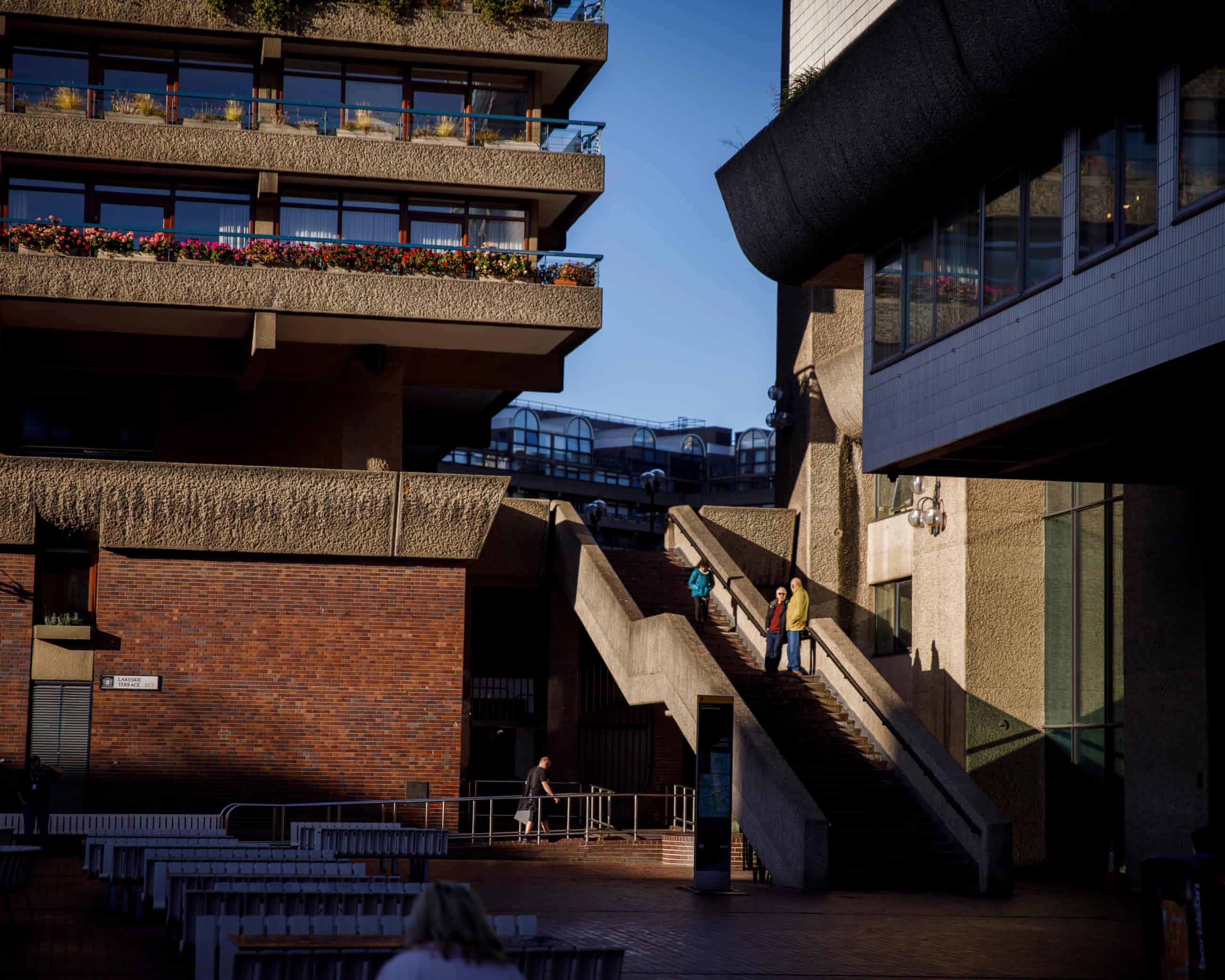
Barbican revamp to give ‘bewildering’ arts centre a new lease of life

A minimalist statement or just Pantonedeaf? ‘Cloud dancer’ shade of white named Pantone’s 2026 colour of the year

Jimmy Kimmel on Pete Hegseth, ‘our secretary of war crimes’
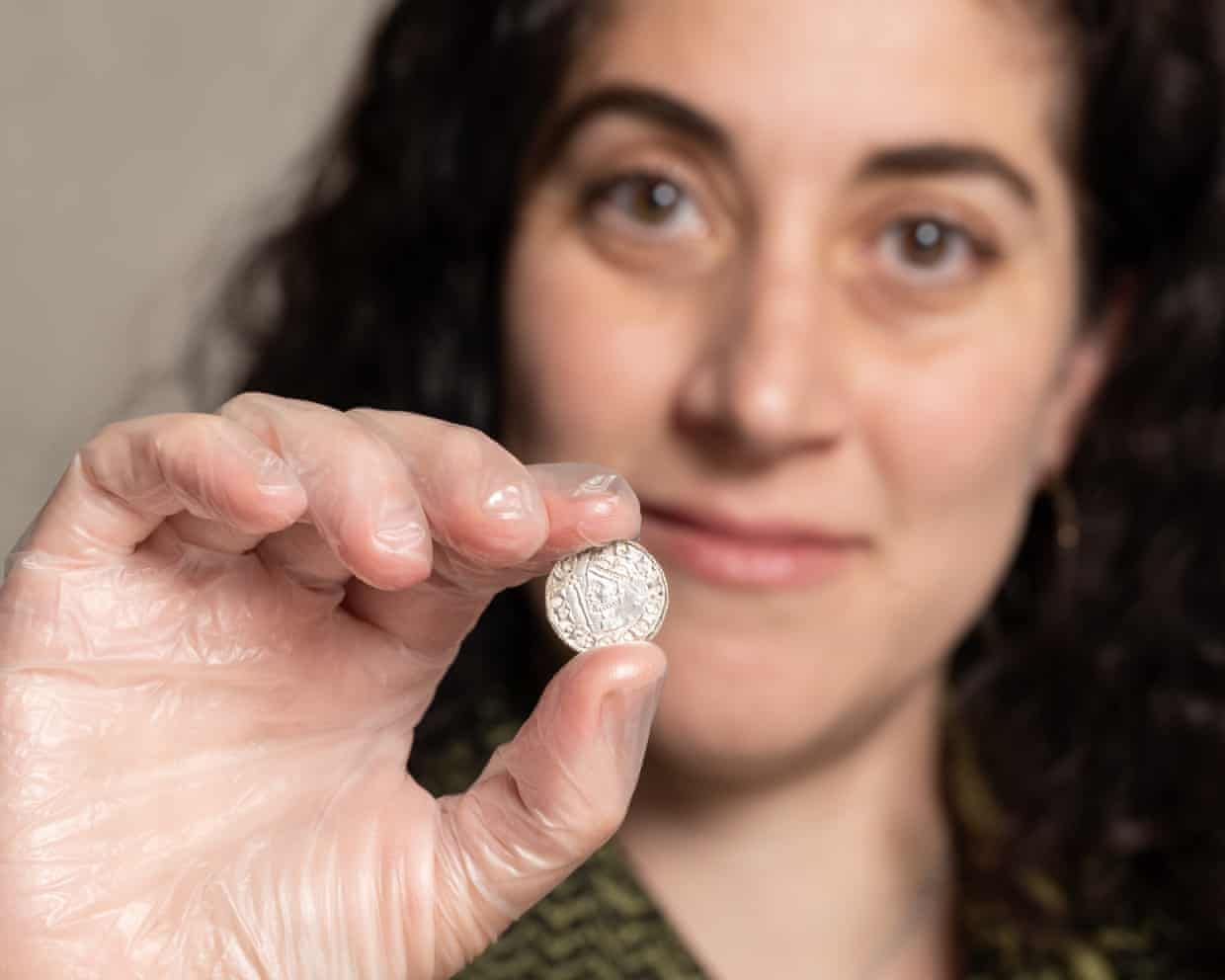
Norman conquest coin hoard to go on show in Bath before permanent display

Jon Stewart on Trump claiming not to know about his own MRI: ‘That’s not physically possible’

A Traitors cloak, Britpop Trumps and a very arty swearbox: it’s the 2025 Culture Christmas gift guide!