Farage attack on high street Turkish barber shops is dog-whistle racism, minister says
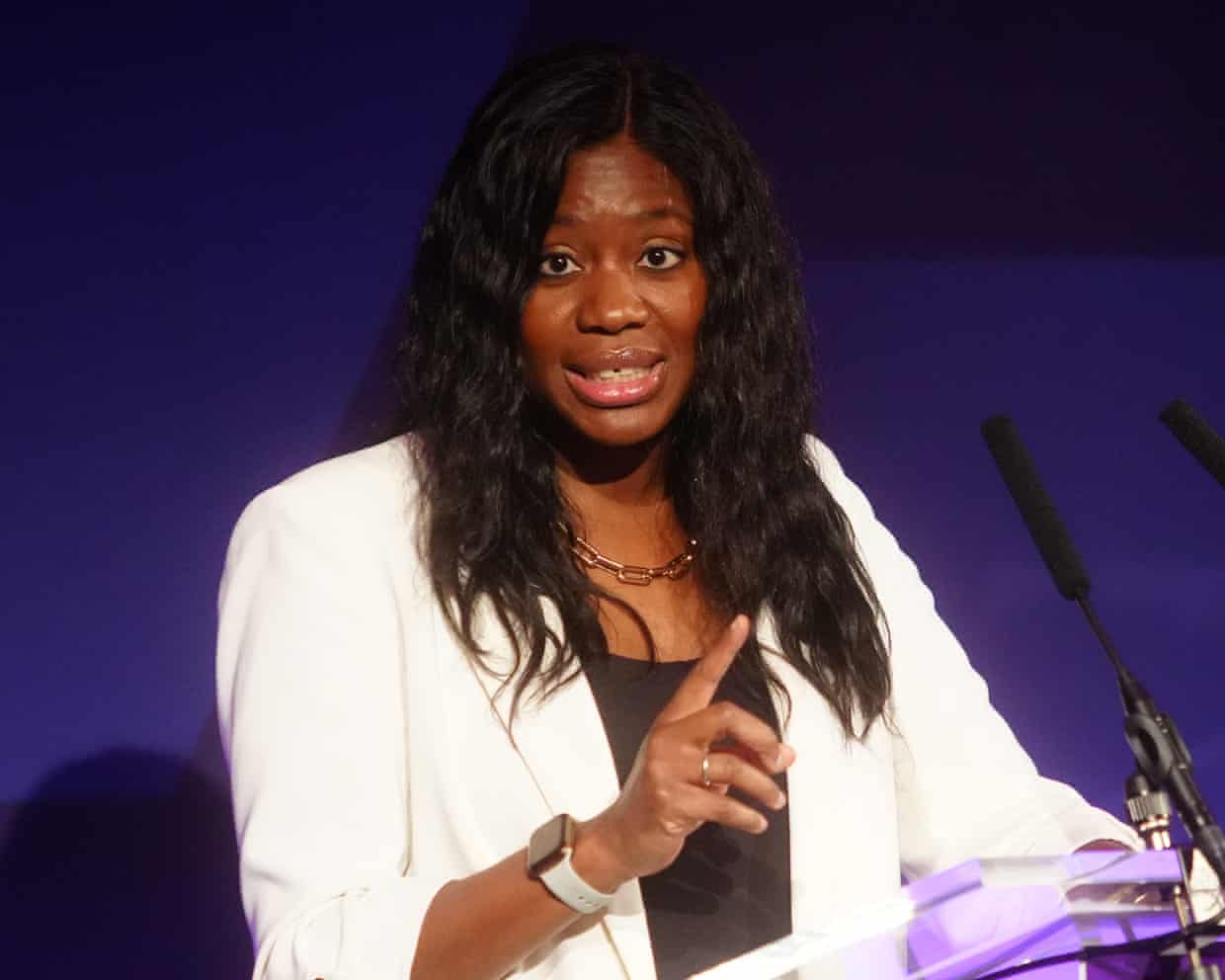
Nigel Farage’s attack on Turkish barber shops amounts to dog-whistle racism without a credible plan to fix struggling high streets across the country, a government minister has said.Miatta Fahnbulleh, the devolution, faith and communities minister, said the Reform UK leader was deploying the “politics of grievance” as his populist rightwing party attempts to capitalise on high street decline.“We’re all aligned in thinking the last government failed in the last 15 years, but they [Reform] don’t have the answers,” she said.“They turn and do the politics of division.They blame people of difference rather than deal with the fundamentals.
”Asked if she thought the focus on Turkish barbers had racist overtones, she said: “Yes, I do.The fundamentals aren’t to do with the colour of the skin of people running our high streets.It’s to do with long-term decline and neglect.”Reform has made crumbling town centres a key issue in the party’s drive for power, with promises to declare a “national high street emergency” and shut down illicit shops as Farage prepares for May’s crunch local elections.With the party leading the national opinion polls, research suggests Reform has increased support most in the English towns with the highest rates of shop closures and long-term high street vacancies.
The party has taken aim at the growth in the number of high street barbers, claiming that many are fronts for money laundering and drug running,Farage said in Facebook video last year that Turkish barber shops were “springing up everywhere”,He said they only take cash, they don’t cut anyone’s hair and “they’ve got a Lamborghini parked out the back”,Figures from the Local Data Company show the number of barber shops has more than doubled in the last 10 years to 3,1 per 10,000 people, despite a wave of closures for other types of shop.
Speaking in an interview as Guardian analysis reveals the changing fortunes of Britain’s high streets, Fahnbulleh said Labour recognised that many voters were becoming increasingly frustrated with seeing boarded-up shops.“I get it,” she said.“They have had 15 years of not enough being done, of shops being boarded up, lack of investment in their communities, and – worse than that – being told things would get better.“I point to levelling up and every time the government didn’t deliver it added to that view that politics can’t make your life better.So we have to change that.
People are impatient for change and rightly so.”She said Reform lacked policy solutions and pointed to the party’s “chaotic” leadership of local councils it took control of last year.“They don’t have a clear vision of what they are trying to do, and struggle to do basic governing,” she said.“We can’t afford games and politicians that do not have a plan and cannot drive change.So there is an urgency for us.
We do believe we have the answers and we’re determined to crack on and get things done,”Labour has launched a £5bn “pride in place” strategy, handing funding to 250 regeneration projects over the next decade,This includes a community right-to-buy scheme that gives local people the right to buy buildings when they go up for sale, and licensing powers for councils to block too many gambling shops from opening in an area,The government has also announced a crackdown on high street crime and illicit shops, including raids on car washes, nail bars and barber shops,Retail and hospitality industry leaders, however, say Labour has added to the headwinds high streets face, including through tax increases and a rise in the minimum wage in Rachel Reeves’s autumn budget.
Fahnbulleh denied Labour had underestimated the pressures high streets are facing, despite the government’s partial U-turn this week on a controversial rise in business rates for pubs in England after weeks of protest.“It’s right that the government is stress-testing decisions,” she said.“Increasing taxes in a way that allows us to invest in our public services is the right judgment the chancellor has made.We have to ensure we do our bit to get the economy firing, but also investing in the things people want – which is public services that work.”Reform UK was approached for comment.
Universal basic income could be used to soften hit from AI job losses in UK, minister says
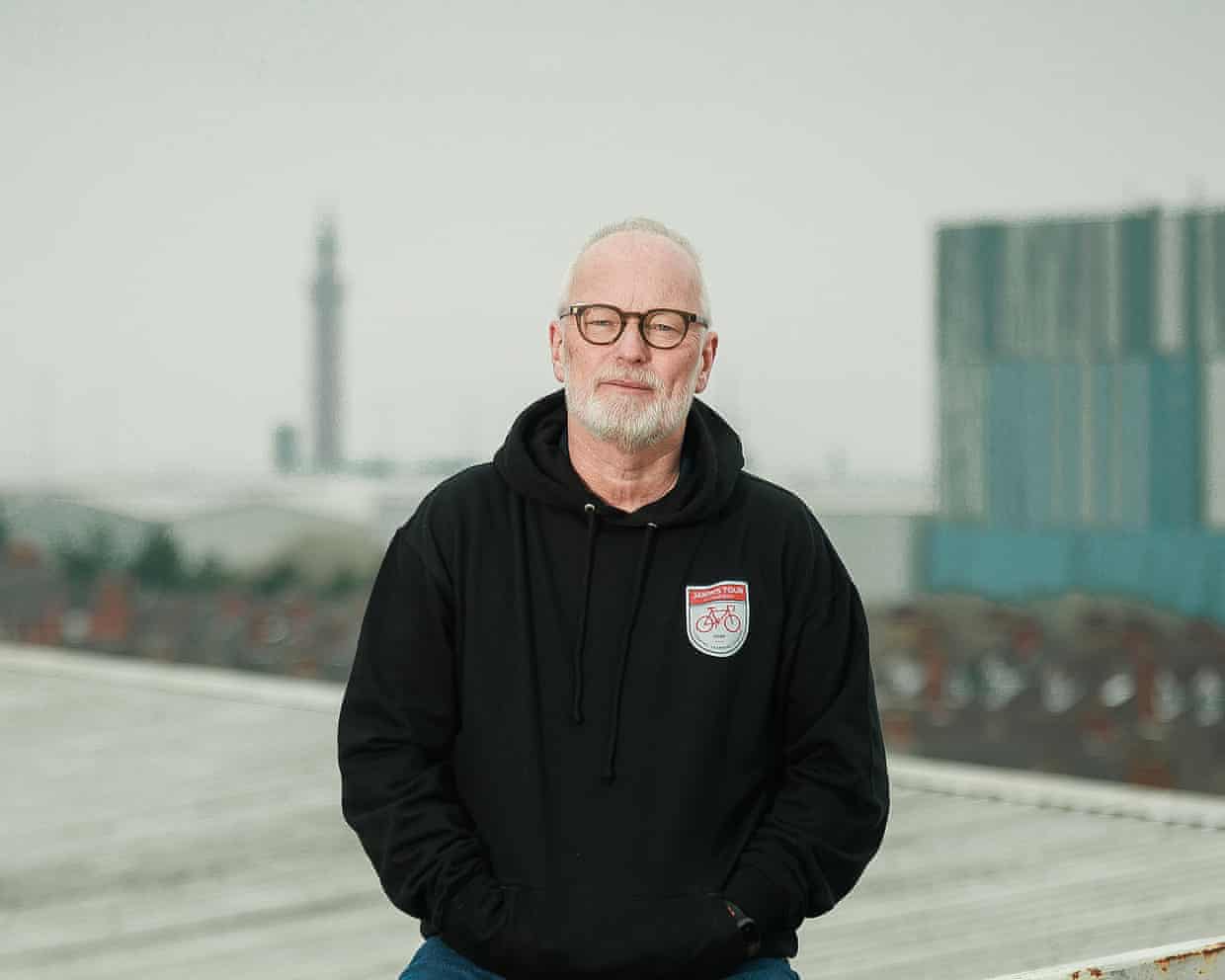
The UK could introduce a universal basic income (UBI) to protect workers in industries that are being disrupted by AI, the investment minister Jason Stockwood has said.“Bumpy” changes to society caused by the introduction of the technology would mean there would have to be “some sort of concessionary arrangement with jobs that go immediately”, Lord Stockwood said.The Labour peer told the Financial Times: “Undoubtedly we’re going to have to think really carefully about how we soft-land those industries that go away, so some sort of [universal basic income], some sort of lifelong mechanism as well so people can retrain.”A universal basic income is not part of official government policy, but when asked whether people in government were considering the need for UBI, Stockwood told the FT: “People are definitely talking about it.”The technology entrepreneur, who took up his ministerial post in September, said part of his motivation for joining the government was to help ensure the workforce was prepared for rapid change
Meta wows Wall Street despite spending billions on AI and facing social media addiction trial
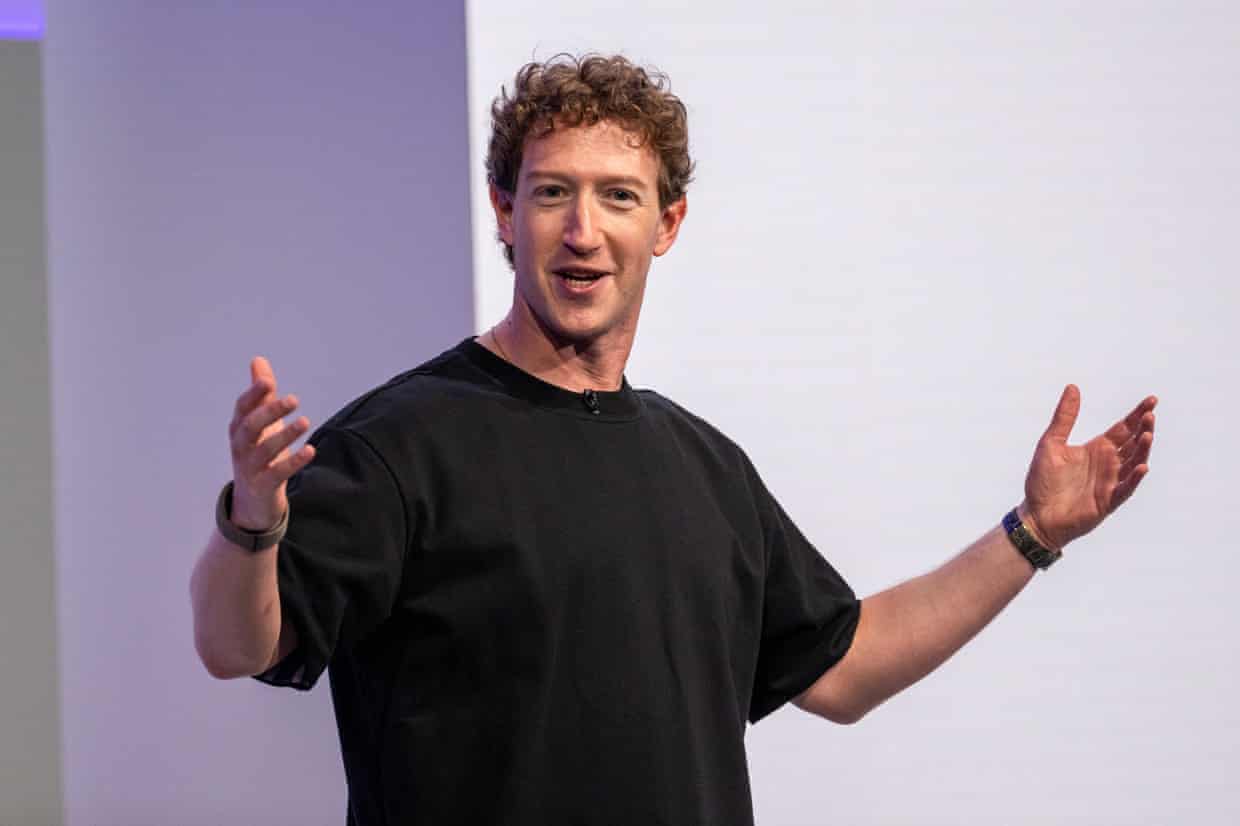
As Meta spends billions on artificial intelligence datacenters and its CEO prepares to testify in a landmark social media trial, the company is earning a pretty penny.Meta reported strong financial results on Wednesday, beating Wall Street expectations of $58.59bn with $59.89bn in revenue for the fourth quarter of 2025. It reported earnings per share (EPS) of $8
Tesla discontinues Model X and S vehicles as Elon Musk pivots to robotics
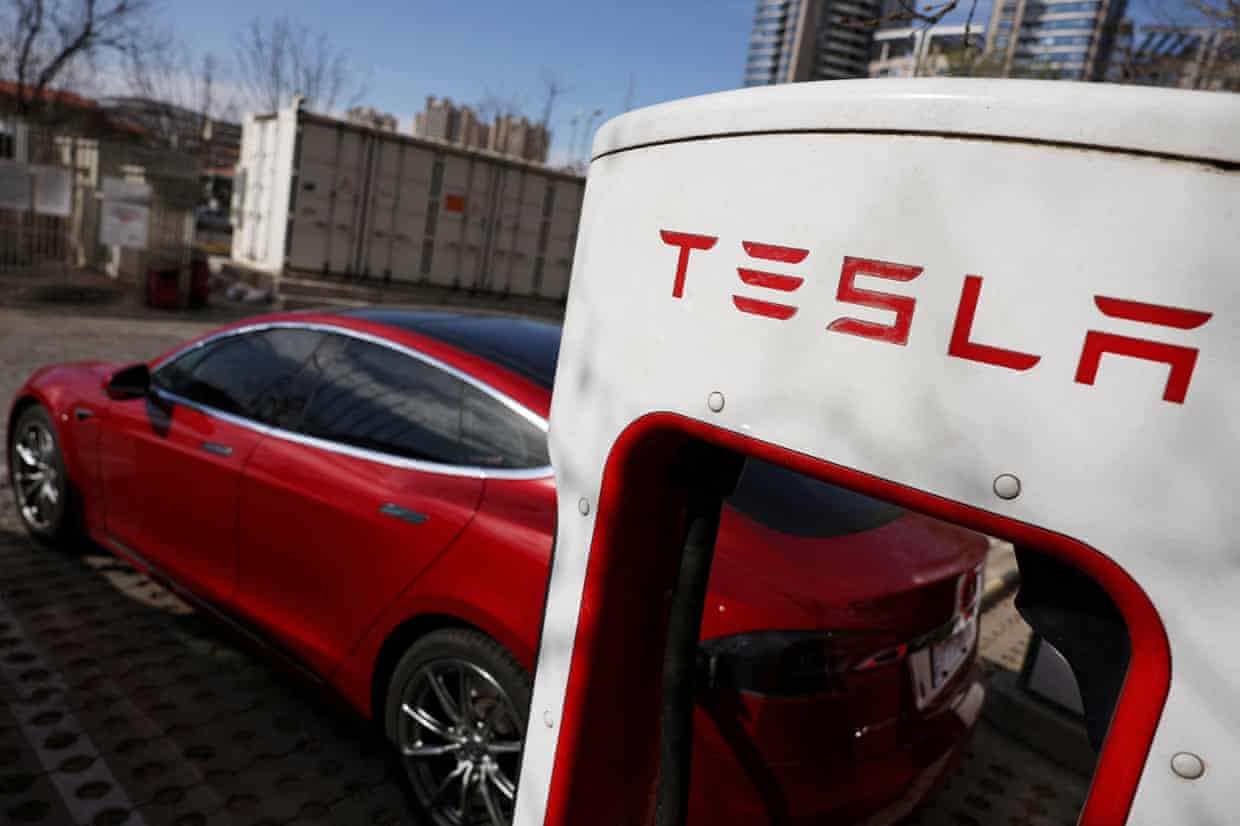
In the clearest sign yet that Tesla is pivoting away from its electric car business, its CEO, Elon Musk, announced on Wednesday’s investor call that the company would discontinue production of its Model X SUV and Model S full-size sedan.“It’s time to basically bring the Model S and X programs to an end,” Musk said. “We expect to wind down S and X production next quarter.”The model S and X factory in Fremont, California, would be converted to produce Tesla’s upcoming Optimus robot, Musk said.Tesla’s most recent quarterly earnings report showed slumping vehicle sales and declining revenue as Musk pins the company’s futures on AI and robotics
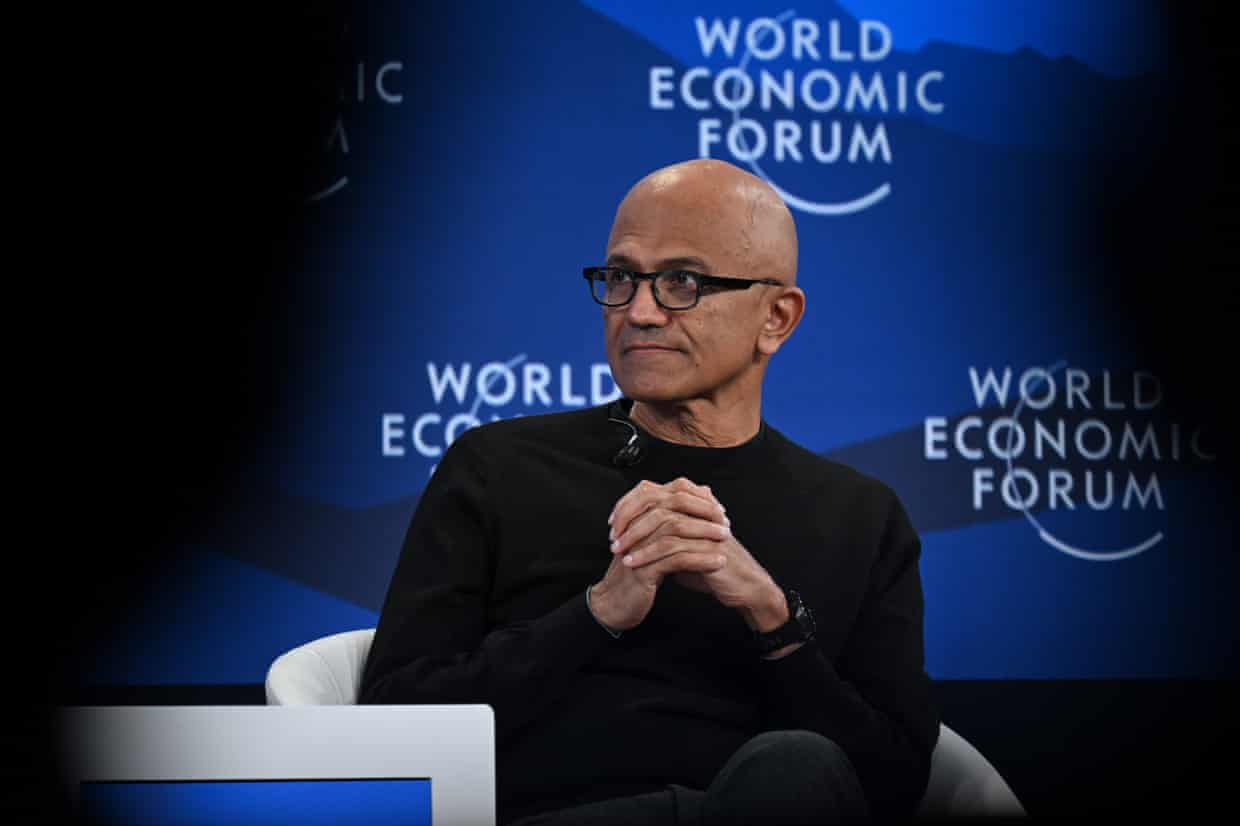
Microsoft shrugs off AI bubble fears again with strong financial results
Investor interest in Microsoft shares may have weakened in recent months, but the company posted strong financial results on Wednesday which yet again demonstrated that the AI boom is roaring on.Microsoft reported earnings for the second quarter of the fiscal year that are likely to keep the party going for Wall Street, despite slowing growth in its key cloud computing business.Microsoft reported revenues of $81.27bn against expectations of $80.32bn, and improved from the 12
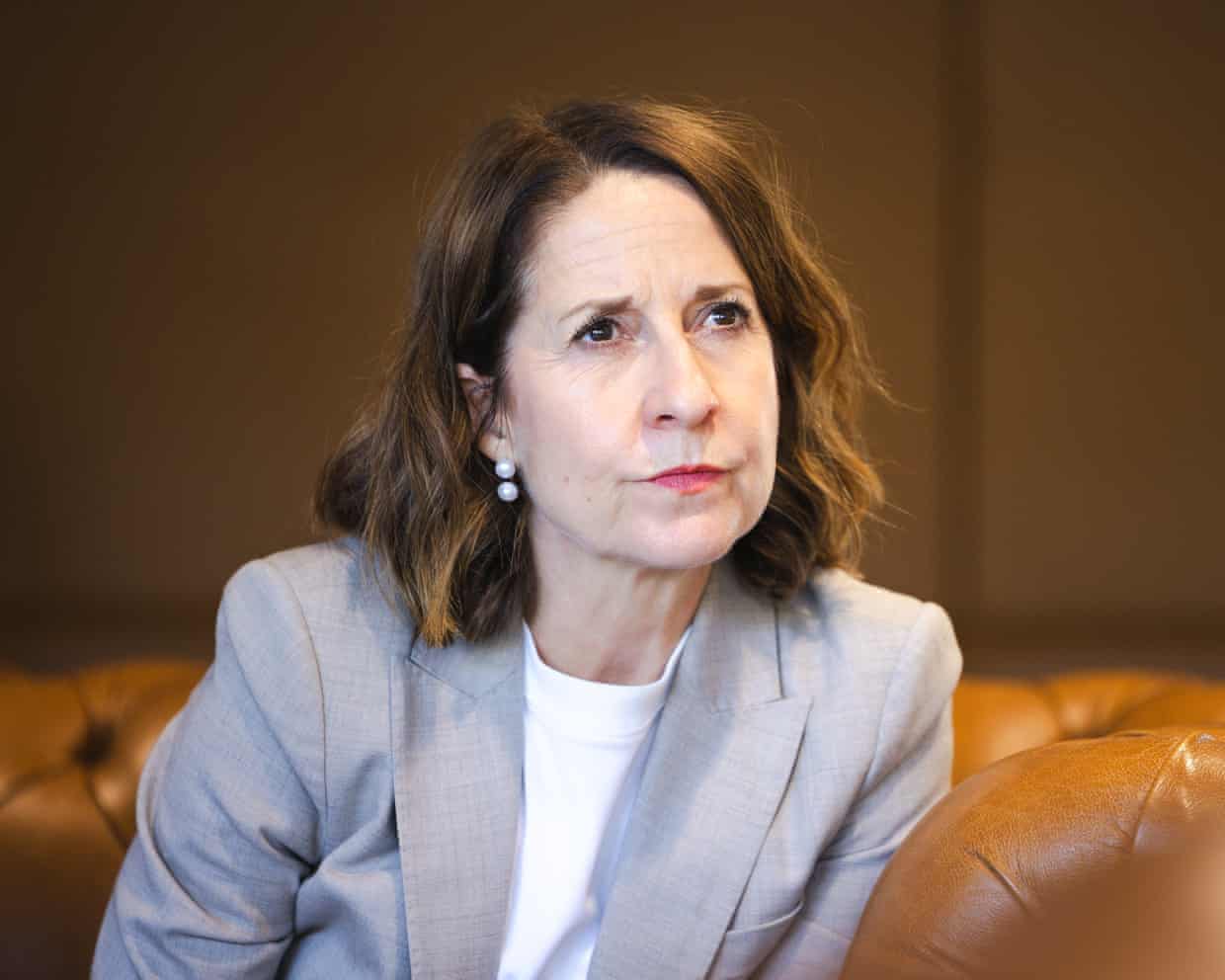
Artificial intelligence will cost jobs, admits Liz Kendall
Increasing deployment of artificial intelligence will cause job losses, the UK technology secretary has warned, saying: “I want to level with the public. Some jobs will go.”In a speech on government plans to handle the impact of AI on the British economy, Liz Kendall declined to say how many redundancies the technology might cause but said: “We know people are worried about graduate entry jobs in places like law and finance.”She said: “Others will be created in their place”.While some forecasts have suggested the fast-developing technology could create a net increase in employment, Kendall said: “I’m not complacent about that

US TikTok users: tell us how you feel about the app after the new US deal
TikTok users in the US appear to be deleting the app at higher rates after the announcement of a new deal securing its future in the country, according to reports. The short-form video app, which is owned by the Chinese company ByteDance, has faced years of uncertainty in the US amid concerns over data security and a possible ban.The Guardian’s journalism is independent. We will earn a commission if you buy something through an affiliate link. Learn more
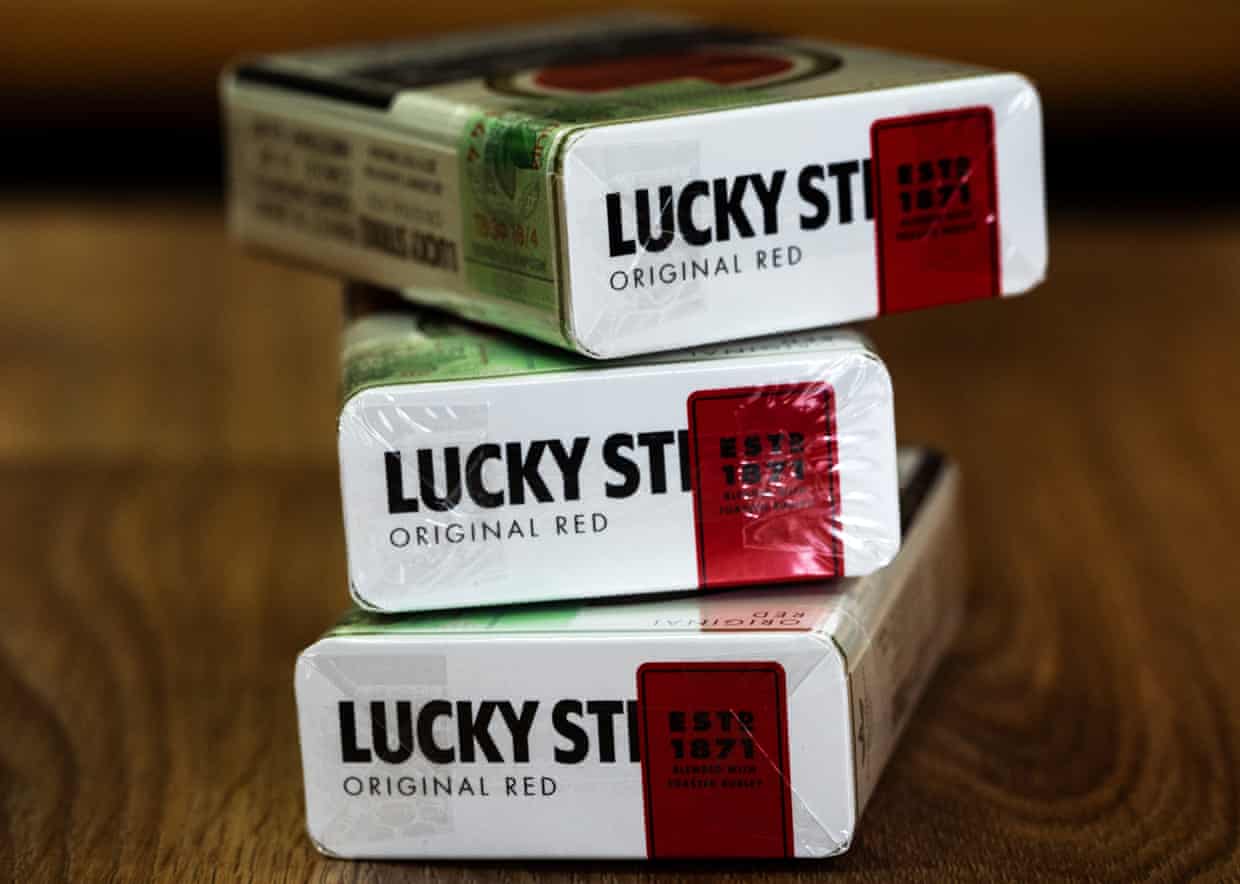
British American Tobacco accused of helping North Korea fund terrorism in lawsuit
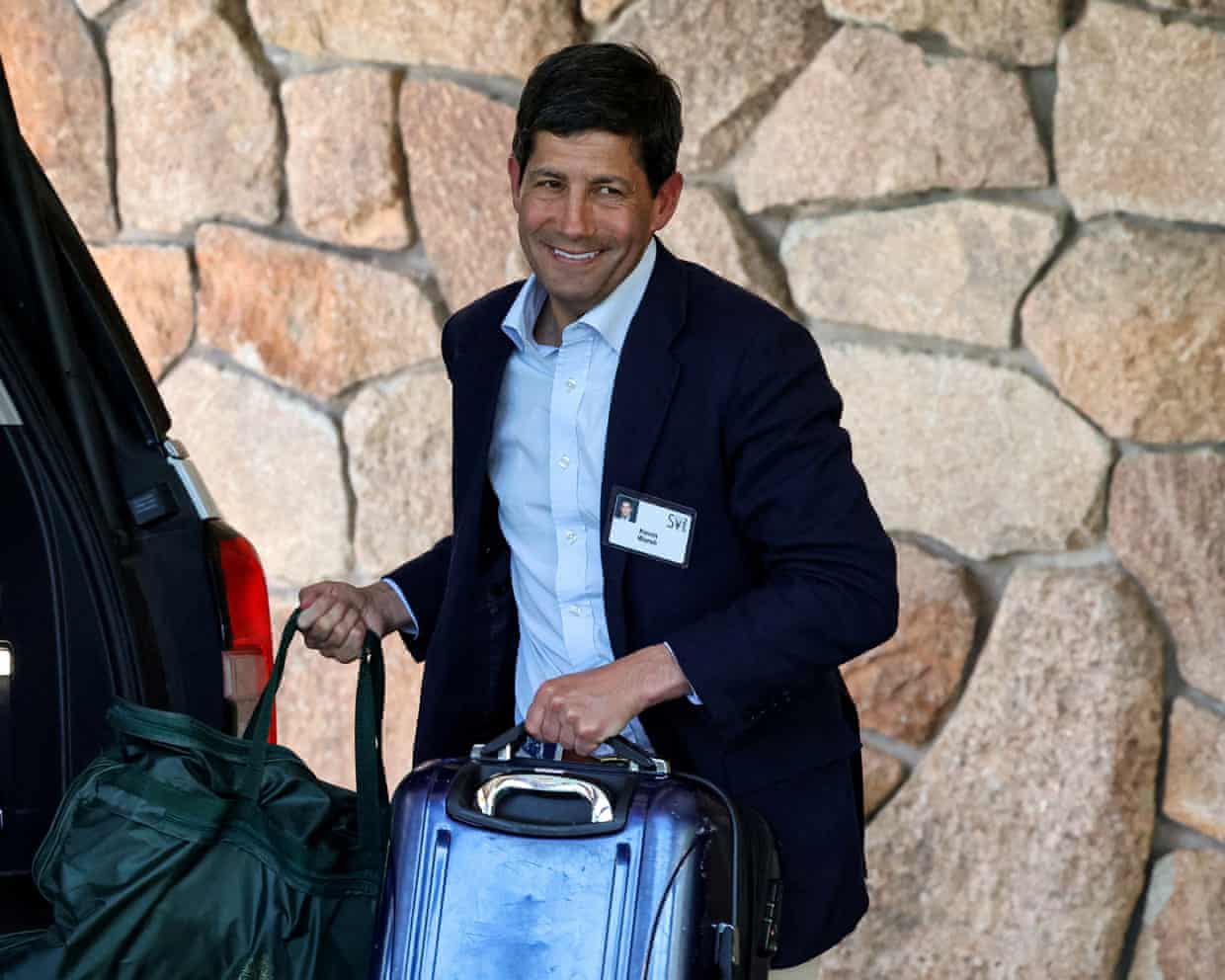
Donald Trump expected to nominate Kevin Warsh as US Federal Reserve chair
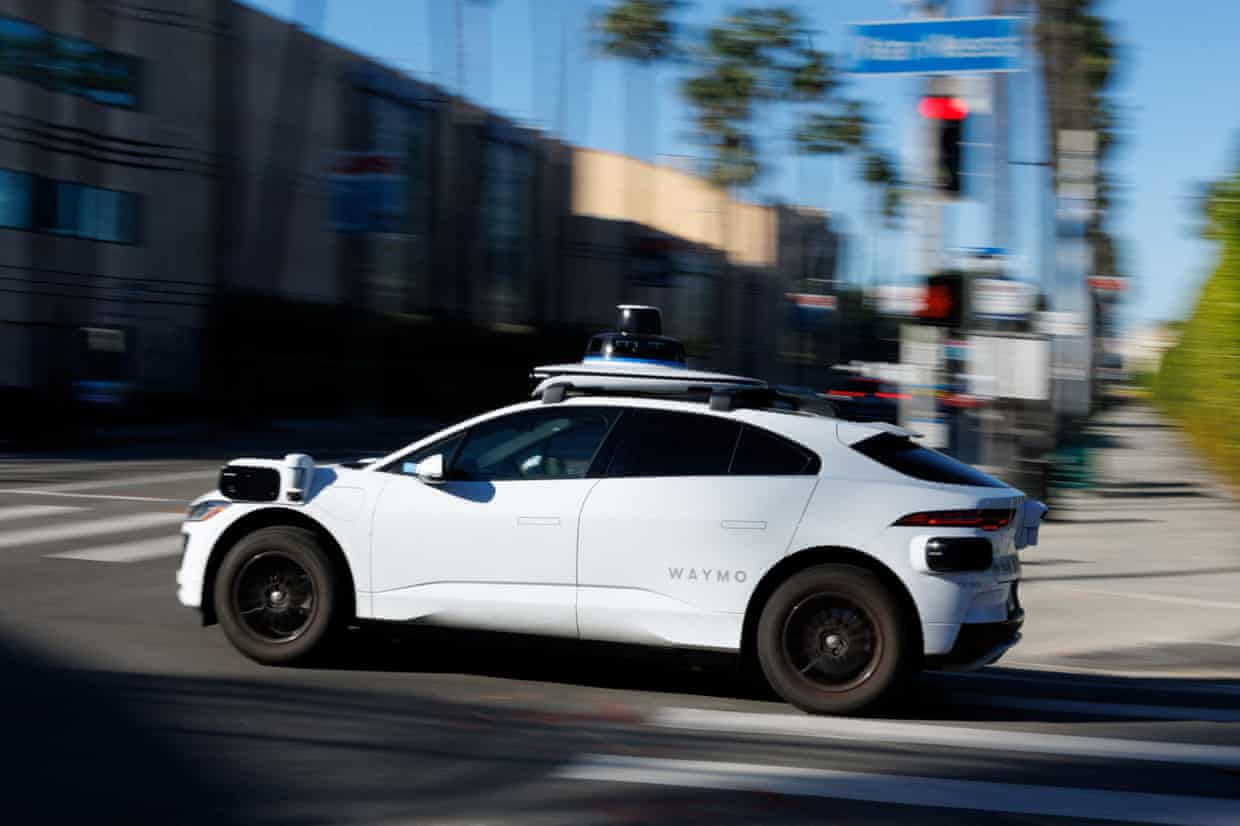
US regulators open inquiry into Waymo self-driving car that struck child in California

UK-based pair behind messaging app accused of giving data to Iranian regime

Lindsey Vonn airlifted from course after crash in final downhill before Olympics

Rybakina poses threat to Sabalenka’s bid for legendary status in Australian Open final