What good is a social media ban when screens are rife in classrooms? | Letters
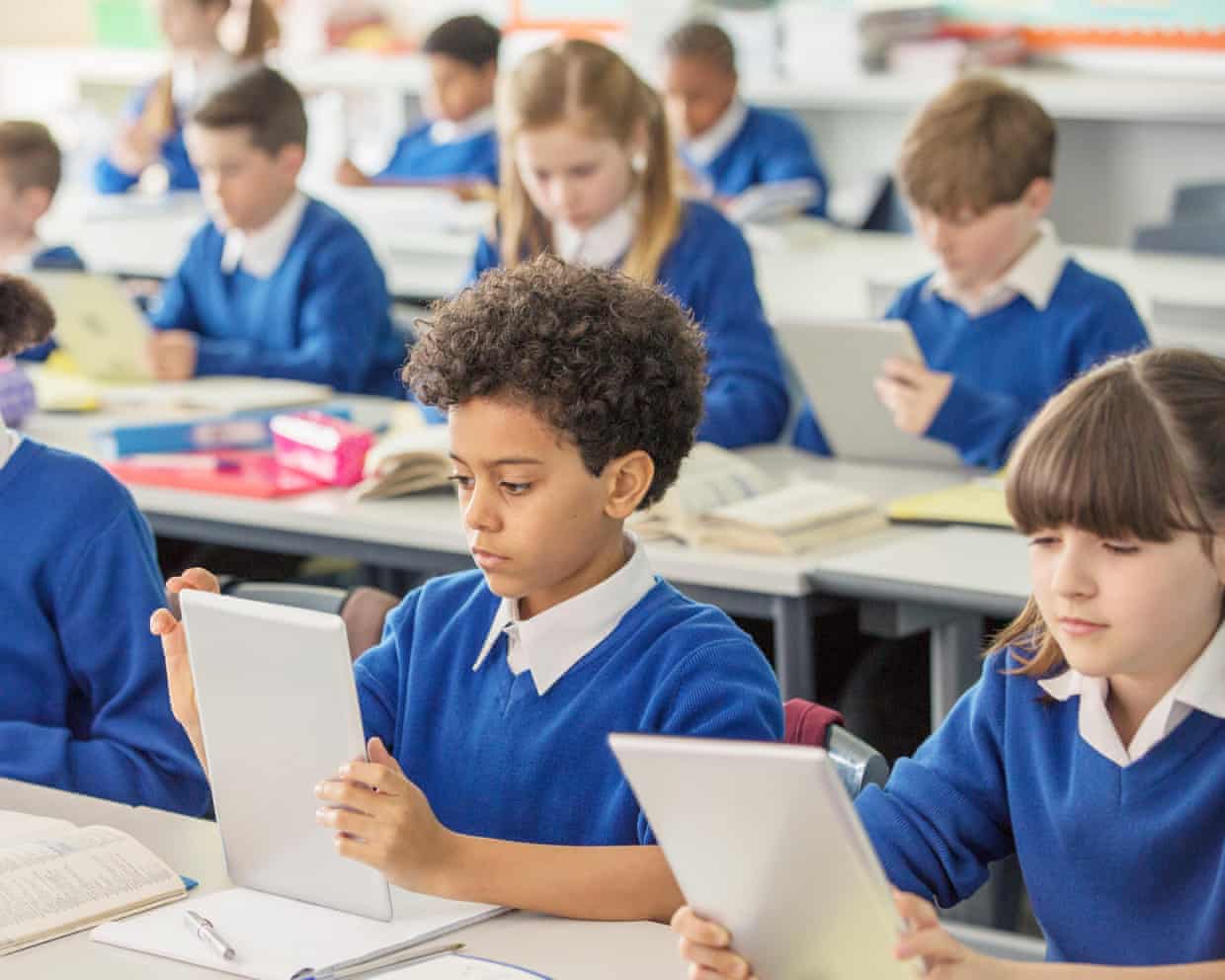
Your recent coverage of children’s screen use (How screen time affects toddlers: ‘We’re losing a big part of being human’, 22 January) highlights an issue that still receives remarkably little attention: the amount of screen time built into the school day.While politicians debate bans on social media for under‑16s, and teachers report children trying to swipe the pages of books, it is puzzling that the question of screen time in schools is left out of discussions.Every morning, most primary school children are greeted by an electronic whiteboard glowing in the classroom, often left on all day.Lessons are delivered as slides, tablets are used for activities, and many schools require homework to be completed online.When it rains, “wet play” means more screen‑based entertainment.
Movement breaks are delivered via YouTube routines.The message is clear: learning, leisure and even physical activity all happen on a screen.Unsurprisingly, children internalise this as normal.We know excessive screen time harms children’s development and mental and physical health, just as we know free play and time in nature are greatly beneficial.Yet, under curriculum pressures, real‑world interactions are replaced by on-screen content.
No social media ban will compensate for an education system that conditions four‑year‑olds to turn to screens for every task.Parents are urged to limit screens at home, but no equivalent guidance seems to exist for schools.As a parent, I am not calling for the abolition of technology, but for its purposeful, mindful use.Our children deserve an education that prioritises people, conversations, outdoor play and hands‑on exploration.We need to start asking: how much screen time is my child exposed to at school, and why?Kristyna SkriczkaLondon I am writing in response to your article on the impact of screen time on young children, to share my perspective as an educator experienced in working closely with children with and without special needs across a wide range of ages.
Current research consistently shows that early and prolonged exposure to screens is associated with negative outcomes in children’s cognitive, linguistic, and socio-emotional development,Excessive screen use in the early years has been linked to reduced language acquisition, poorer attention and executive functioning, difficulties with emotional regulation, and weaker social engagement skills,These effects are observed across diverse developmental profiles, not only among children with identified needs,In my professional experience, these findings are reflected daily,I increasingly observe children struggling to process, produce and meaningfully use information, alongside challenges with attention, communication, social interaction and emotional regulation.
Excessive screen use is also replacing human interaction, reducing opportunities for children to develop language, emotional skills and social connections.Over time, it may encourage individualistic behaviours and a preference for instant gratification over patience, collaboration and curiosity.At the same time, this issue cannot be framed as parental failure.Families face significant pressures, and screens often become a necessary coping tool.Technology will not disappear; the challenge lies in balance, awareness and shared accountability.
Parents need clear, accessible information about developmental risks alongside practical alternatives.Responsibility must also extend to content producers and platforms.Thank you for bringing this important issue to public attention.Your article contributes meaningfully to a necessary and timely conversation about how we support children’s development and families in an increasingly digital world.Arianny Avrile SaviñònNew York, US Have an opinion on anything you’ve read in the Guardian today? Please email us your letter and it will be considered for publication in our letters section.
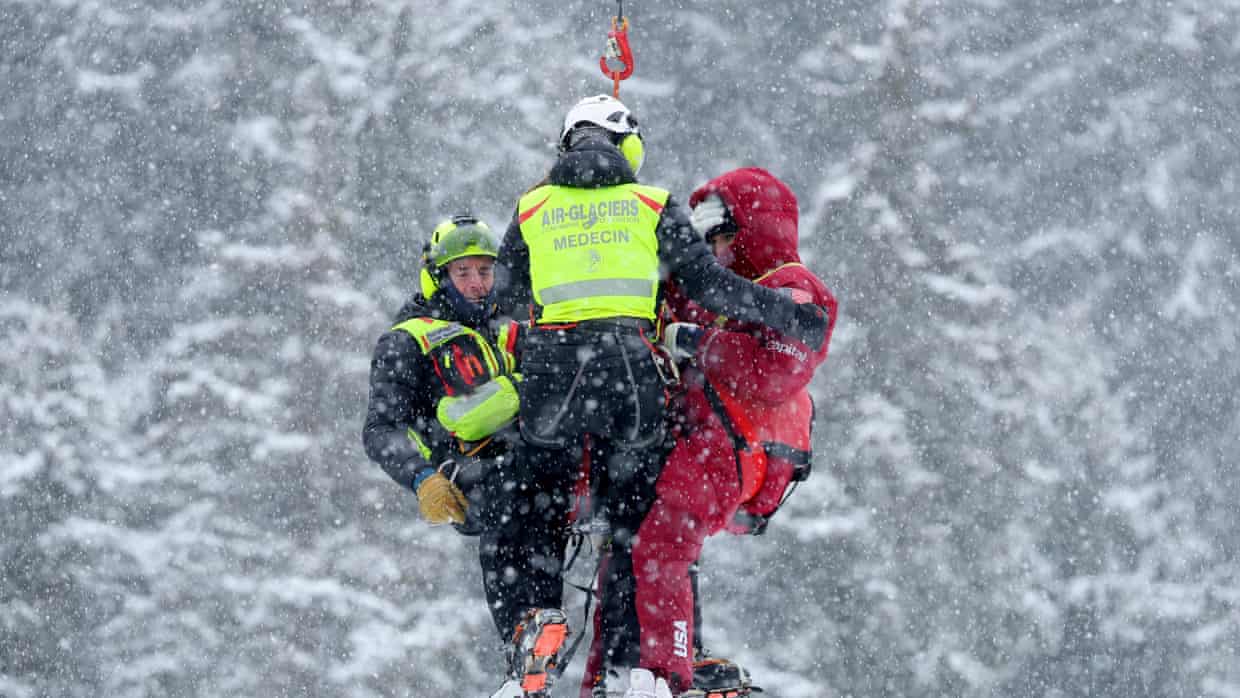
Lindsey Vonn airlifted from course after crash in final downhill before Olympics
Lindsey Vonn crashed out of the final World Cup downhill before the Milano Cortina Winter Olympics on Friday, leaving the American skiing great limping and clutching her left knee as organizers abandoned the race amid worsening conditions.The 41-year-old lost control after landing a jump on the upper section of the course in Crans-Montana, Switzerland, skidding sideways into the safety netting as snow fell steadily and visibility deteriorated. Vonn’s airbag deployed on impact and she remained down for several moments while medical staff attended to her on the piste.Vonn eventually stood and was able to ski away, but did so gingerly. She repeatedly took weight off her left leg, using her poles to steady herself, and stopped several times on the run down to check her knee
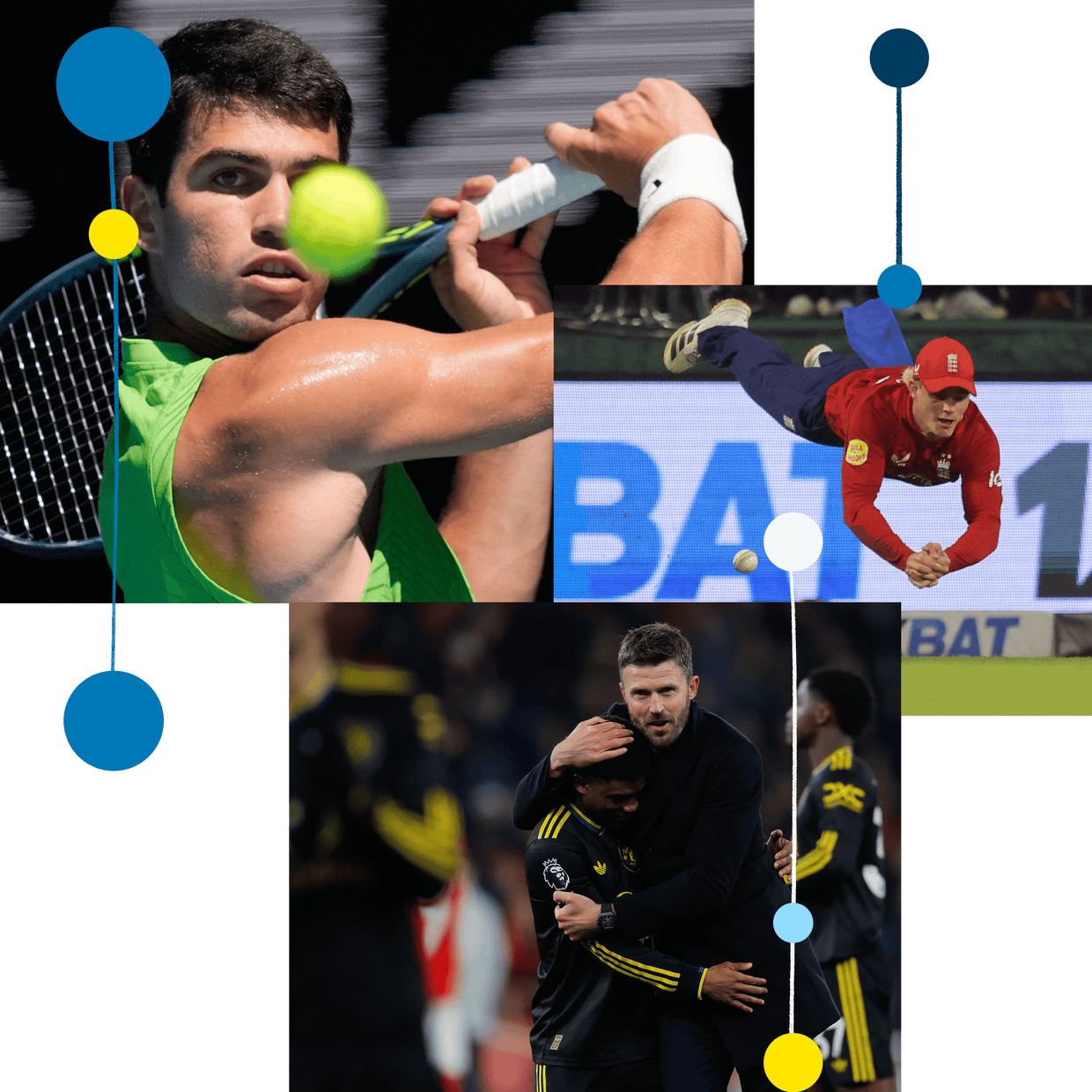
Your Guardian sport weekend: Australian Open finals, Premier League and T20 cricket
Stuart Goodwin and Emillia Hawkins kickstart the weekend’s football programme with our unmissable rolling blog that rises early to provide all the breaking news and vibes from around the grounds. There’ll be buildup to Saturday’s five Premier League matches, a full Championship and lower-division programme, plus plenty of swirl around the Bundesliga and La Liga, with Bayern Munich and Barcelona in action. Why not join the conversation by sending your thoughts and observations to matchday.live@theguardian.com?Last year’s final brought heartache for Aryna Sabalenka but her consistency since the start of 2025 has been impressive, with the world No 1 reaching the final at nine of the 16 events she contested

Galopin chases Gold Cup glory but waits on Leopardstown inspection
Prospects for the most valuable and significant weekend of racing in the run-up to the Cheltenham festival in March remained in the balance on Friday evening after both Leopardstown and Sandown called inspections for Saturday morning due to fears of overnight rain.Leopardstown has had nearly 200mm of rain over the last two weeks ahead of the Dublin Racing Festival, which is due to stage eight Grade One races over the weekend. Paddy Graffin, Leopardstown’s clerk of the course, will inspect at 8am.“We’ve had a look at a fresh line of the hurdle track right out beside the chase track,” Graffin said on Friday. “In my opinion, this line is currently fit to race despite 22mm of rain last night
Novak Djokovic stuns Jannik Sinner in five sets: Australian Open 2026 semi-final – as it happened
So on Sunday history will be made one way or the other, with Djokovic going for No 25 and Alcaraz going for the career slam. Djokovic did defeat Alcaraz in the Australian Open quarter-finals last year – but Alcaraz got his revenge in the US Open semi-finals, on his way to the title. But trying to break down and predict the final is a perilous job after what we’ve witnessed today. And is probably more than I can attempt to do after hours and hours and hours of typing. Many thanks for your company and contributions today, do join me again tomorrow for Sabalenka v Rybakina in the women’s final
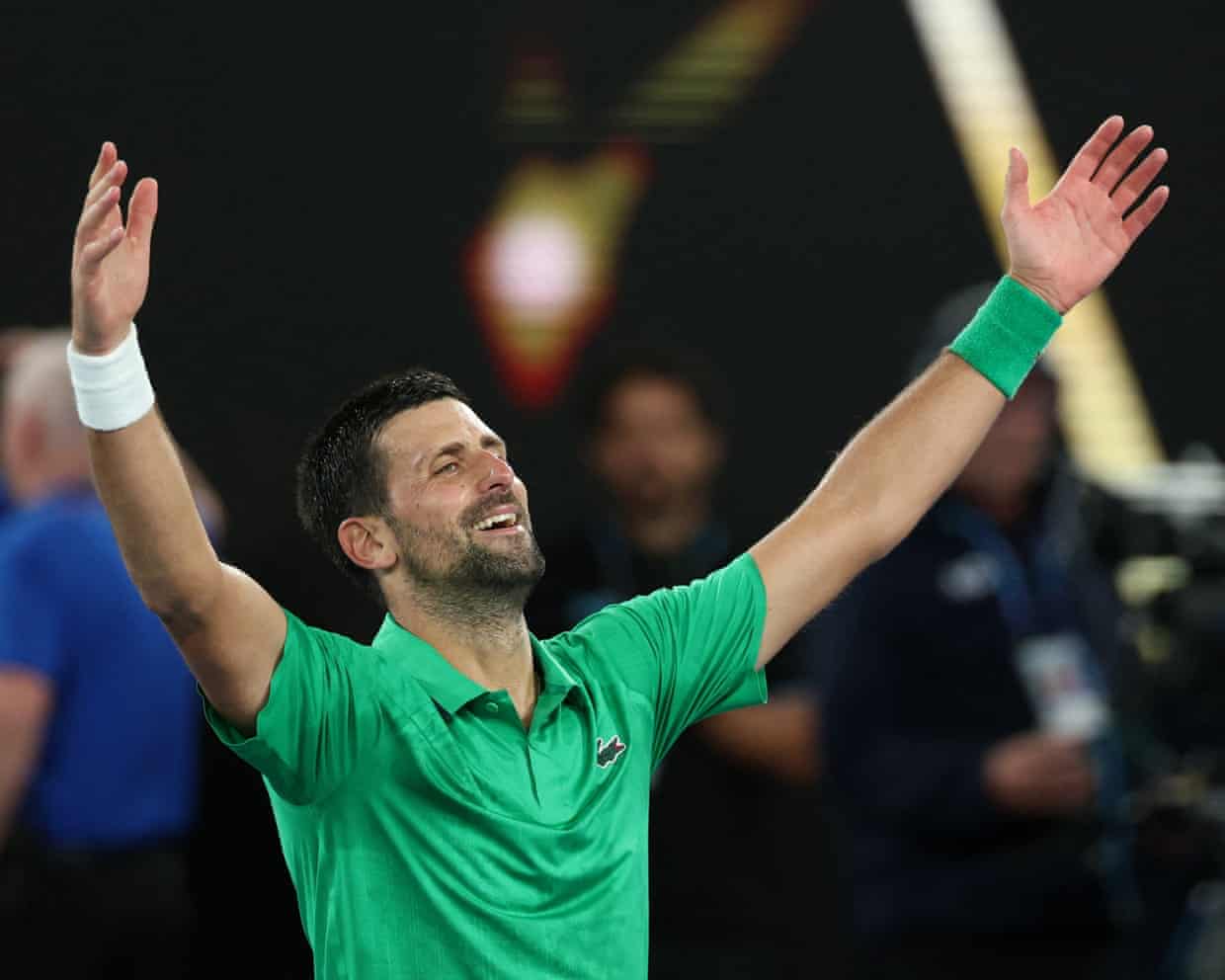
Djokovic shocks Sinner in late-night thriller to reach Australian Open final
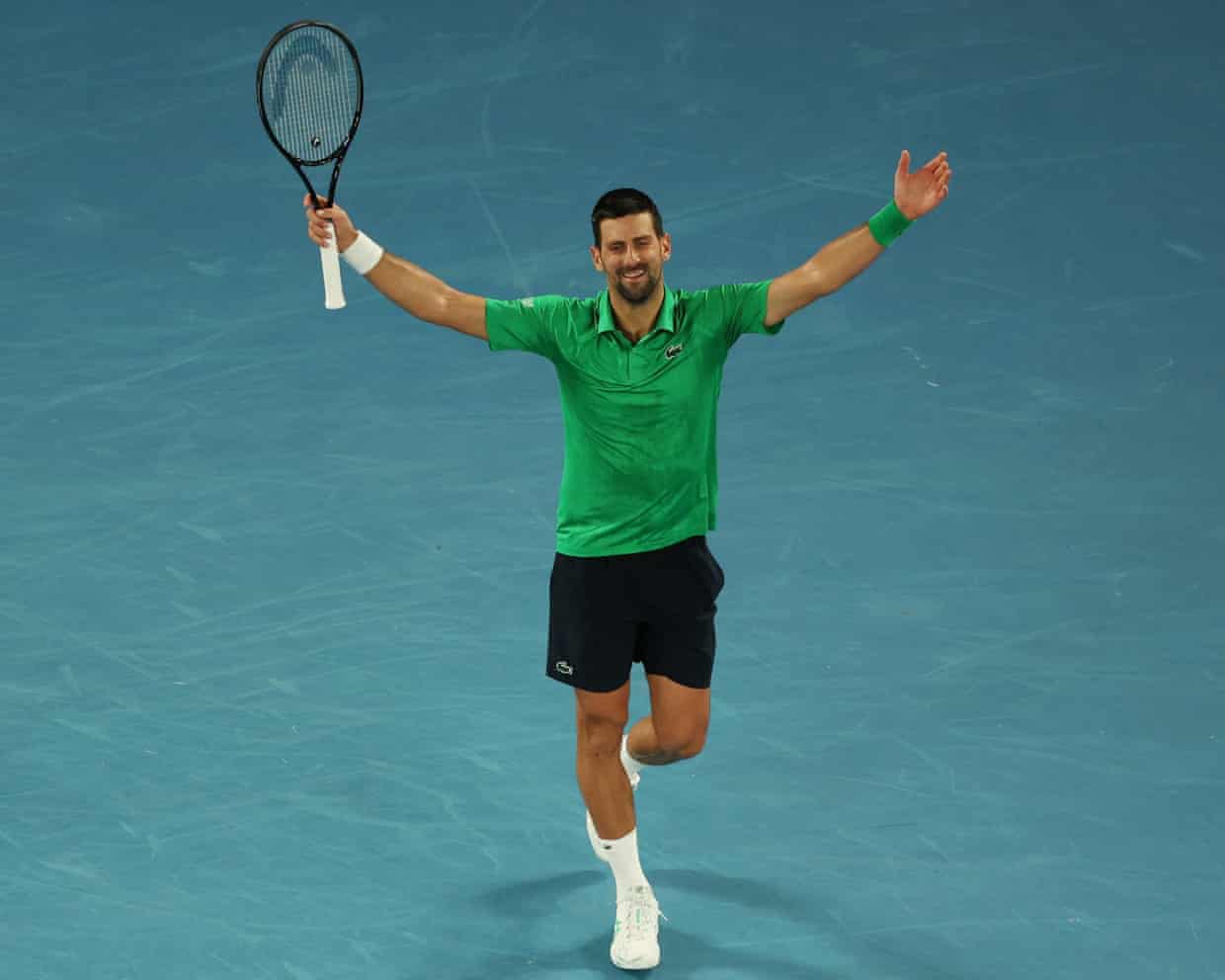
At 1.33am on Saturday morning in Melbourne, four hours and nine minutes after his night shift had begun, Novak Djokovic collapsed to the floor with his arms aloft and stared up to the skies in utter disbelief. While Djokovic would normally reserve his most exuberant celebrations for triumphant finals, in truth this result was an even greater achievement than some of his victories in majors.The Serb is 38, an age at which most players are long finished, yet somehow he is still competing for the biggest titles. On Rod Laver Arena, the most important stage of his career, he pulled off perhaps his greatest upset, recovering from two sets to one down to topple Jannik Sinner, the two-time defending champion and second seed, 3-6, 6-3, 4-6, 6-4, 6-4 to return to the final of the Australian Open
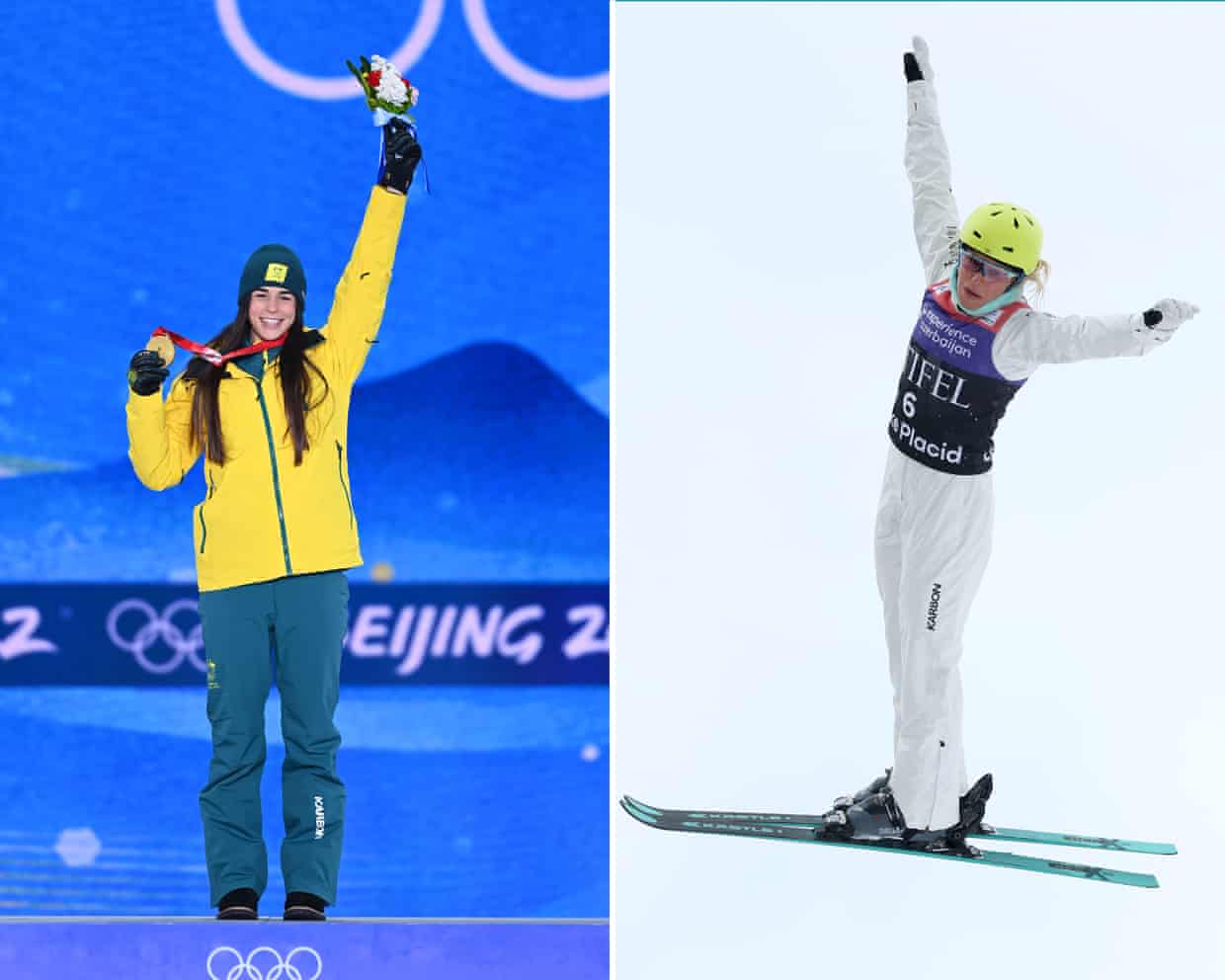
Ten to watch: the athletes who can bring glory to Australia at the 2026 Winter Olympics | Martin Pegan
Australia’s 53-strong team is the second largest sent to a Winter Olympics and recent results suggest that will be more than enough to land a record medal haul in Milano Cortina. Five of Australia’s six medallists from the past two Games, including defending moguls champion Jakara Anthony, will return in 2026 and be among at least 10 genuine podium chances.The Beijing 2022 team secured Australia’s greatest Winter Olympics tally with four medals – one gold, two silver and a bronze – but there are high hopes that record will be shattered after 11 athletes won 26 medals across seven disciplines during the current World Cup season. Here are Australia’s main medal hopes (in alphabetical order) to watch when Milano Cortina 2026 begins on 6 February.The defending Olympic moguls champion is out to become the first Australian to win successive winter gold medals and arrives in Milano Cortina in white-hot form
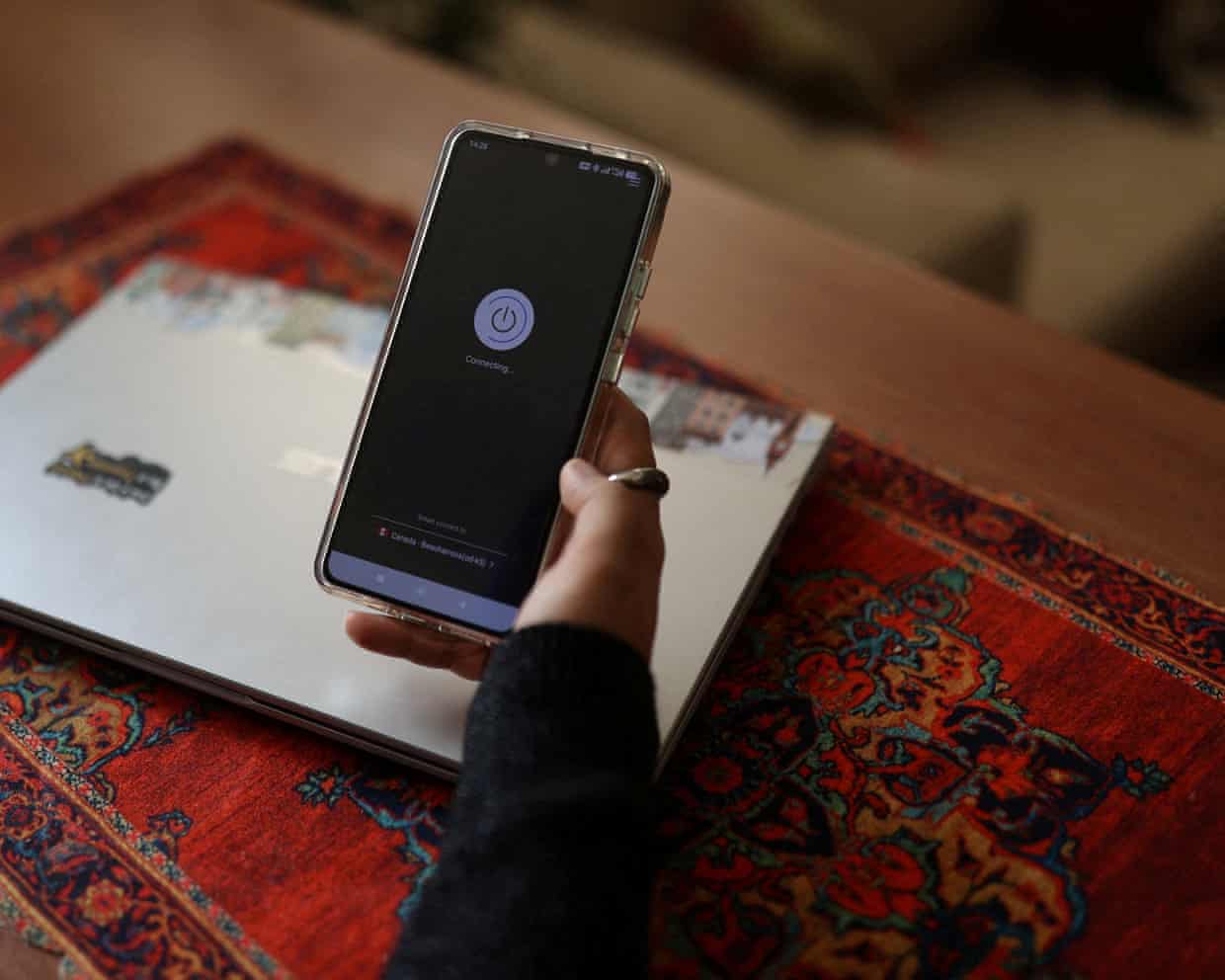
UK-based pair behind messaging app accused of giving data to Iranian regime
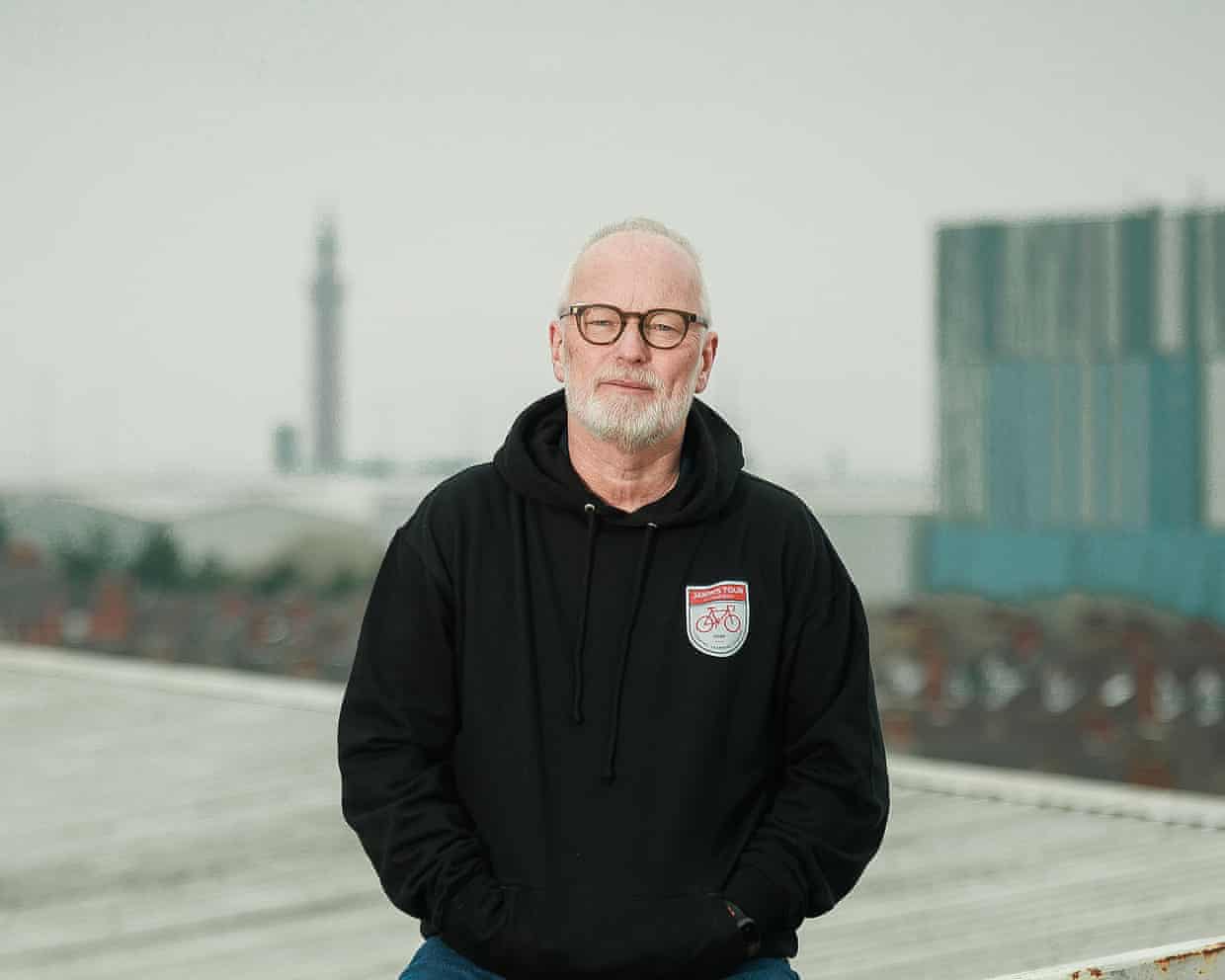
Universal basic income could be used to soften hit from AI job losses in UK, minister says

Meta wows Wall Street despite spending billions on AI and facing social media addiction trial
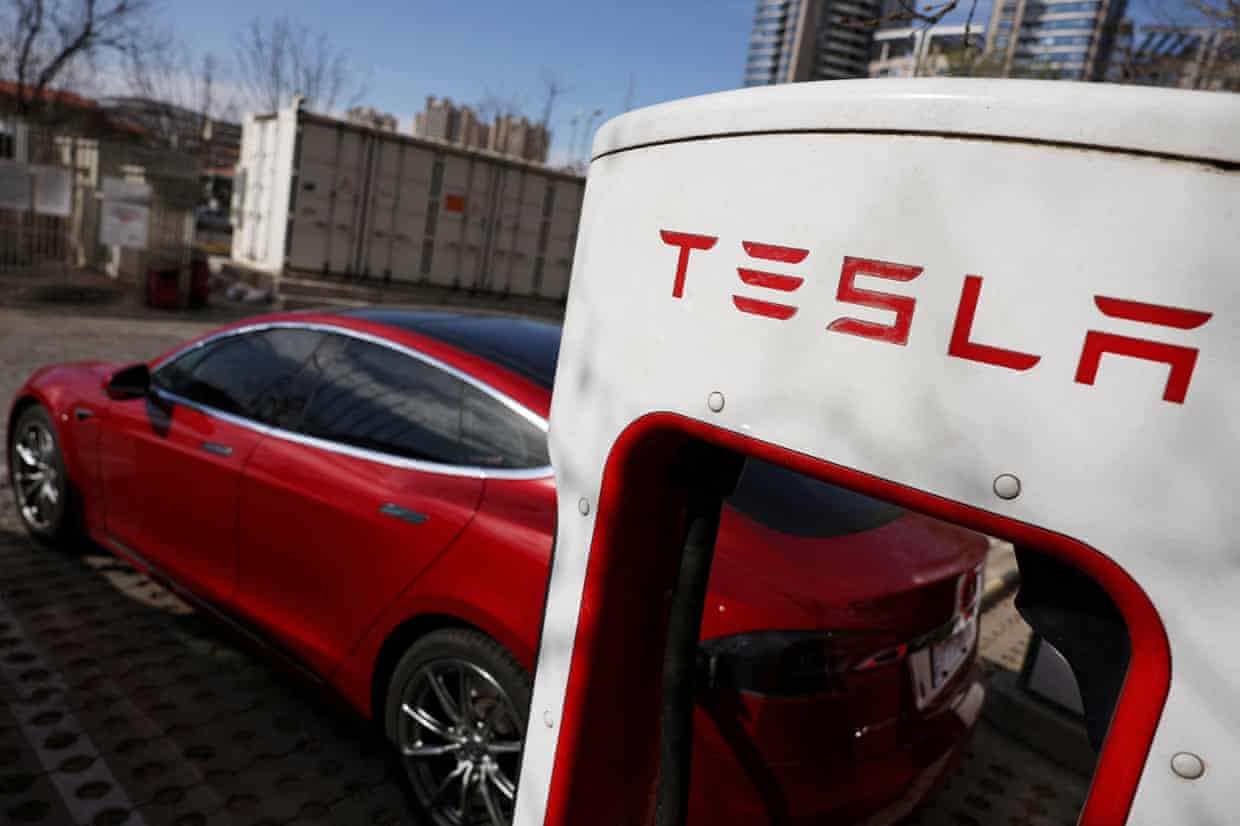
Tesla discontinues Model X and S vehicles as Elon Musk pivots to robotics

Microsoft shrugs off AI bubble fears again with strong financial results
Artificial intelligence will cost jobs, admits Liz Kendall