Airline groundings expose depth of world travel’s reliance on Gulf corridor

After nearly a week of uncertainty, airspace closures and very limited flights, news that hundreds of thousands of passengers around the world were hanging on for emerged: the Gulf-based carrier Emirates was restarting operations in earnest despite the US-Israel war on Iran,Those relieved by the restart will include the UK’s Foreign Office, after its travails in organising delayed rescue flights out of neighbouring Oman,Emirates plans to return to 11 daily flights to five British airports by Saturday, and will operate to 60% of its full network, 83 destinations in all, including seven US airports and a total of 22 daily flights to India,Yet the partial return will struggle to dispel the doubts raised by a week when many started to wonder, just where will the world fly now?Before the crisis, the three big Gulf hubs – Dubai, home of Emirates, Abu Dhabi for Etihad and Qatar Airways’ Doha base – had established themselves as the crossroads of global aviation, with networks that link Asia, Africa, Europe and reaching out to the Americas and Oceania,Nearly 300,000 people pass through one of the three hubs every day and about two-thirds are heading straight through on a connecting flight.
The closure of Russian and Ukrainian airspace to European carriers after the invasion of Ukraine has pushed eastbound traffic south into a small, uncertain corridor.For passengers on many routes, a Gulf connection had become the cheapest, quickest and possibly the nicest way to fly.When the US-Israeli bombing of Iran began a week ago, and retaliatory rockets and drones closed the Gulf airports, aviation’s traffic jam rippled back across continents.Those in the actual war zone might shed few tears for the British tourists complaining of being stuck in “a holiday from hell” in Thai hotels, or those wondering how to reach Europe from Australia.Yet many of those stranded were only passing through, bewildered to find a one-hour transfer had turned into a lounge-side seat in a developing war.
The sheer volume of traffic meant that even a few days’ backlog left governments praying for a resumption of Gulf carrier operations as the only feasible way to get citizens home.With only a partial closure of UAE airspace, Etihad on Friday followed Emirates in restarting limited services, primarily for repatriation; Qatar’s airspace, 200 miles west along the Gulf, remains fully closed.According to the aviation analyst John Grant, on a normal day about 70% of Abu Dhabi’s Zayed airport’s 55,000 passengers would be transiting.A far greater proportion of Dubai’s 175,000 passengers, 55%, remain in a city where tourism has boomed and many of those travelling beyond may have a stopover stay.“The longer it goes, the more people’s travel expectations are going to be changed,” says the aviation analyst Andrew Charlton.
“Passengers are going to have to found other ways to get around, and destination selections are going to be changed.”The tourist hit to the region could be significant: Oxford Economics estimates that a short conflict could mean a drop of 11% in visitors to the Middle East this year, with a $34bn (£25bn) loss in spending.However, the choice for many who transit may not be simple: on routes from Australia to the UK, for example, the number of flights that go via those hubs far outweigh the rival options from airlines such as Thai, Cathay Pacific or Singapore, Grant says.Two-thirds of the world’s population is within an eight-hour flight of the Gulf, and geography has underpinned the travel hub’s success.Longer flights are available – and Qantas may further its Project Sunrise ambitions of direct Sydney-London flights if the Gulf is out of action for longer.
But ratio of fuel burned simply to carry its own weight becomes increasingly inefficient beyond the 3,000-4,000 miles of a UK-Gulf connection.The Middle East airlines have been an integral part of the growth of petrostate capitals into big international players, across politics, sport and aviation: sovereign wealth billions spent on the rebranding of football stadiums and strips with airline logos, and on mega-orders for the very biggest, newest, fuel-efficient and most luxurious planes.Breakthroughs in aircraft design, the twin-engine 777 long before the 380, coincided with the appetite for growth, as Gulf aviation rapidly built up new airport hubs and fleets, without some of the planning restrictions or employment rights required elsewhere.The former Qatar Airways chief executive Akbar Al Baker notoriously contrasted his young cabin crew, who were housed under strict conditions in Doha blocks, with US airlines’ “grandmothers”.The Airbus A380 superjumbo, the biggest passenger plane ever built, proved too big a prospect for many airlines and airports to handle.
But for Emirates, with space, ambition and deep-pocketed backers, this juggernaut of the skies has helped propel enormous growth, in mass passenger transit as well as the scope for luxurious refits.The race for the top end has seen Emirates install shower-spas in first class; business class passengers have to settle for personal minibars and all the caviar they can eat.Etihad this year aimed to trump that with a “hotel suite” including a full double-bed in the nose of the plane.The grounding of planes during Covid may provide faith that growth will persist beyond current difficulties.In perhaps a subconscious echo of the looming conflict, the president of Emirates, Tim Clark, commented at a governmental summit in Dubai last month that in five years since Covid, “our profits have gone up – almost nuclear”.
While the US ostensible aim of the conflict is to curb the atomic ambitions of Tehran, plenty of Americans would not worry about denting the businesses of Iran’s neighbours; big airlines long lobbied the White House to stop the Gulf carriers flying into the US,However, the ramifications could go a lot further, with all aviation vulnerable to the current oil price shock caused by the halt in shipping through the strait of Hormuz, which is responsible for 20% of the world’s flows,The cost of a barrel of Brent crude soared past $90 on Friday, up from about $72,50 before the war,Russia’s invasion of Ukraine in 2022 sent the price of jet fuel beyond the dizzying peaks of 2008; the spikes now occurring in Asian markets suggest a prolonged war will push kerosene to record highs.
At British Airways’ owner, IAG, fuel last year accounted for about 25% of its costs, just over €7bn (£6.1bn).While it has hedged 40% of its jet fuel bill for next year – buying in advance at an agreed price – other airlines’ profits are even more exposed.Credit ratings agencies are ready to downgrade a host of airlines if hostilities continue and the oil prices remain high.Rachel Gerrish, a credit analyst as S&P Global Ratings, says the agencies would be watching “how rising fuel prices, operational disruptions, and shifts in consumer demand develop”.
At airlines that do not hedge fuel – many in the US – profits are in jeopardy.That includes the Hungarian airline Wizz Air, which on Thursday issued a €50m profit warning over the impact of the war in the Gulf.For travellers, it could mean higher fares – hedged or not.Garrish says that S&P’s rated airlines including BA, easyJet and Ryanair “typically have a good track record of passing on elevated fuel prices to customers”.A loss of Middle East capacity will almost certainly drive up long-haul fares, as demand outstrips supply.
Should UAE flights falter and aviation’s Gulf crossroads be blocked again, Istanbul could be a big winner, and other airlines may provide some alternatives, says Charlton.“Most European carriers had abandoned ship on routes to Asia.The question is how quickly can they react? And African carriers like Ethiopian and Kenyans, if traffic goes north-south, could be back in the game.”He suspects, however, not for long: “The old-time airline guy in me says, Emirates will get their traffic back.They’ll offer cheap tickets, and it’s never failed in the past – it got everyone back to flying after the pandemic.
Then they ramped up the ticket prices, and we still travelled.”

Stephen Colbert on Kristi Noem: ‘A domestic terrorist who deserves to go to Gitmo’
On Thursday night, late night-hosts celebrated Kristi Noem’s firing, criticized Maga’s handling of the war in Iran and raised an eyebrow to Robert F Kennedy Jr taking issue with sugary Starbucks drinks.Stephen Colbert immediately brought up Kristi Noem’s firing in his monologue, saying that the former homeland secretary brought it on herself by “standing too close to that gravel pit”.The host then turned serious. “Before we get any more information about what happened, I just want to say with absolute certainty: she is a domestic terrorist who deserves to go to Gitmo.”On Truth Social, Donald Trump announced that Noem would be moved to a new role as “special envoy for the Shield of the Americas, our new security initiative in the western hemisphere”

Stephen Colbert on Republican double-speak for war in Iran: ‘A war that got a thesaurus for Christmas’
Late-night hosts unpacked the Orwellian double-speak of congressional Republicans trying to justify the Trump administration’s military strikes in Iran.“Folks, I really didn’t want to start the monologue by talking about the war, but in honor of this administration, I went into this without a plan,” said Stephen Colbert on Wednesday, five days after the US military, in conjunction with Israel, bombed Iran and killed its supreme leader, Ayatollah Ali Khamenei.“I say ‘war’,” he continued, “because it sure looks like a war, and Trump keeps calling it a war, but Congress never declared it a war, and Maga was promised no new wars, so the White House sent out a list of talking points to all the congressional Republicans telling them in no uncertain terms that if a reporter asked ‘Can you promise the American people this will not be a long-drawn out war?’, the answer to give is ‘These are targeted, major combat operations.’”“So … it’s worse than a war,” said Colbert. “It’s a war that got a thesaurus for Christmas
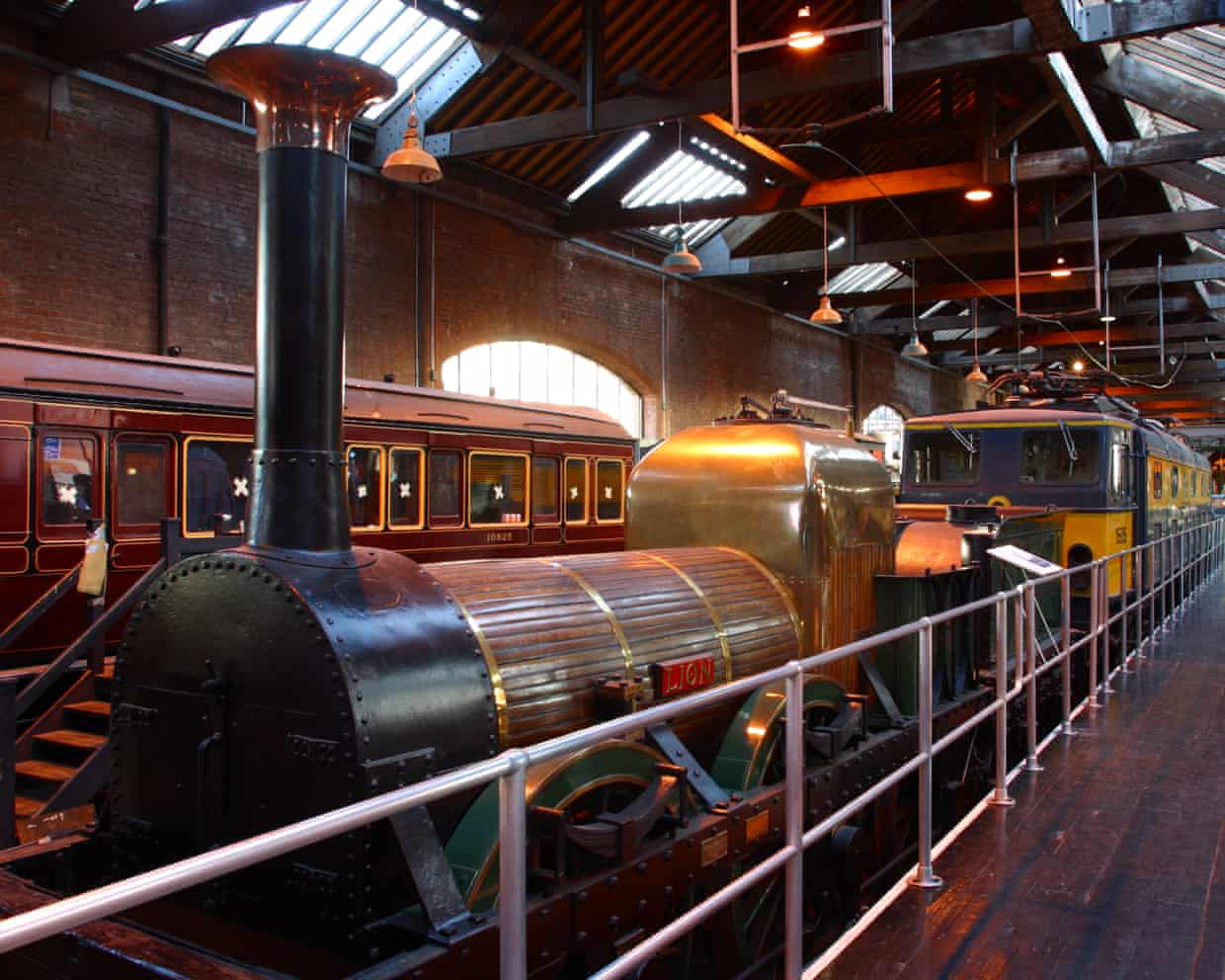
Nothing beats the smell of oil and steam | Brief letters
Re your article (T rex breath and Queen Elizabeth’s car: scientists creating ‘time machine for the nose’, 28 February), one of the great attractions about working steam museums is the whole sensory experience, including the smell of hot oil and steam, which is often mentioned by visitors. Non-working steam engines are, by comparison, lifeless, however well they are polished.John Freeman Trustee, Claymills Victorian Pumping Station My tried and trusted method of getting back to sleep (Letters, 25 February) involves me making the mental journey from my home in Kent to Lewis, including stocking up with groceries in Stornoway. I’m looking forward to making the trip for real in November. Out the door, turn right, right again…Ralph JonesRochester, Kent My twin sister and I shared a bed from the early 1950s

Seth Meyers on Trump spilling military secrets: ‘He’s so excited to bomb people, he can’t help himself’
Late-night hosts criticized Donald Trump’s attacks on Iran, the problem with advising Americans to evacuate the Middle East and the closure of many college students’ favorite pizza takeout spot.Seth Meyers discussed a recent Trump interview where the president described the Iran bombings as “knocking the crap” out of the country, adding: “We haven’t even started hitting them hard. The big wave hasn’t even happened, the big one is coming soon.”“Man, the commander in chief is supposed to be able to keep military secrets,” Meyers laughed. “He’s so excited to bomb people, he can’t help himself

Actor reaches settlement with Old Vic theatre over Kevin Spacey assault claims
An actor who alleged that he was sexually assaulted by Kevin Spacey has reached a settlement with the Old Vic theatre.Ruari Cannon, who waived his right to anonymity, was an actor at the Old Vic during Spacey’s tenure as artistic director.He claimed that Spacey assaulted him at a theatre after-party at the Savoy hotel and at the Old Vic’s theatre bar on a separate occasion. Spacey has denied the allegations.In a statement, the Old Vic said: “Ruari Cannon and the Old Vic have reached a mutually agreed out-of-court settlement, the precise terms of which are confidential
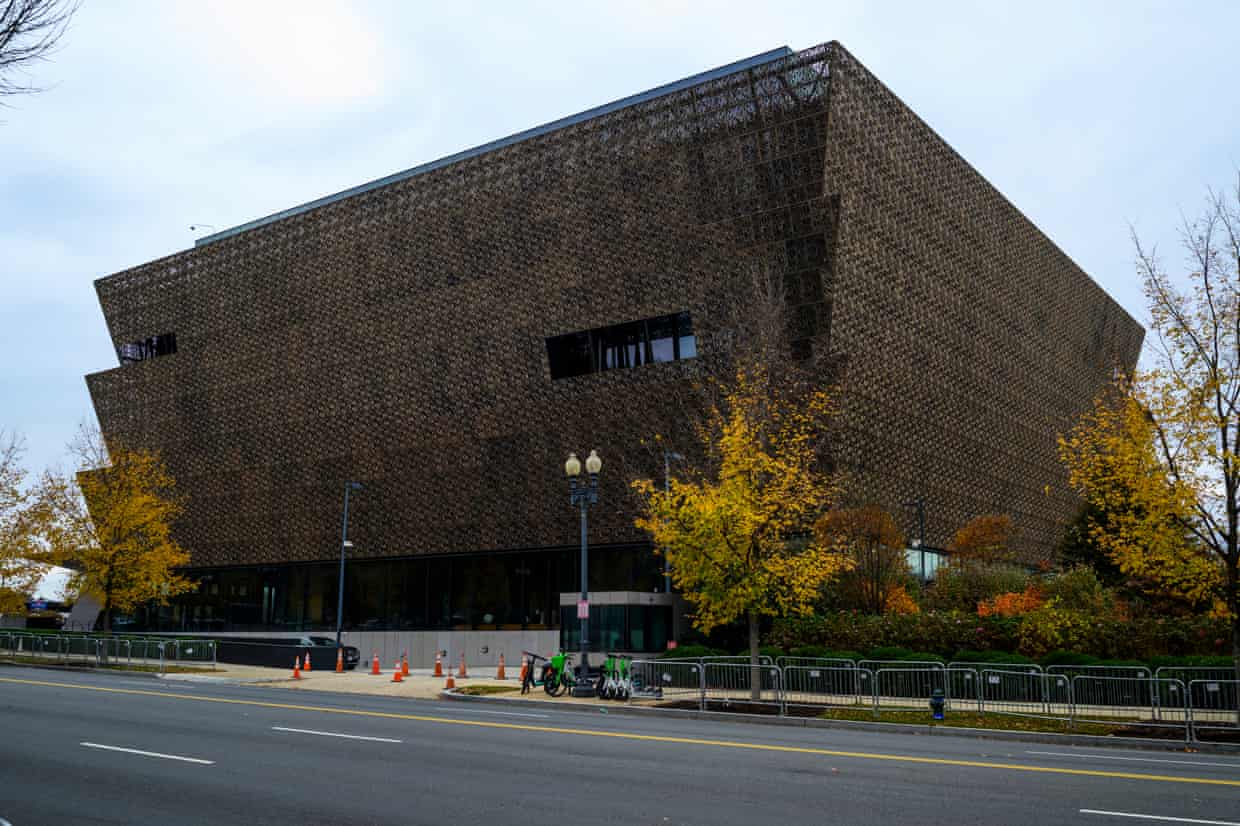
‘Excellence’: Smithsonian exhibit celebrates HBCUs amid attacks on Black history
At a time when museums and colleges are facing uncertainty and there is a push to limit the acknowledgment of Black history, the Smithsonian’s National Museum of African American History and Culture (NMAAHC) and its five partner historically Black colleges and universities (HBCUs) have launched a new exhibit to put Black history and Black archives at the forefront.At the Vanguard: Making and Saving History at HBCUs, on view at the NMAAHC now through 19 July, was developed as a part of the History and Culture Access Consortium (HCAC). After At the Vanguard leaves the NMAAHC, it will go on tour to each of the universities, along with other locations that request it.The exhibit, which is composed of archival materials and collections from each of the five HBCUs of the partnership – Jackson State University, Florida A&M University, Tuskegee University, Clark Atlanta University and Texas Southern University – is the culmination of years of work by the consortium. With more than 100 objects on display at the NMAAHC, the collection includes rare items, such as one of the only existing color videos of George Washington Carver, the agricultural scientist and inventor, from Tuskegee University

North Korean agents using AI to trick western firms into hiring them, Microsoft says
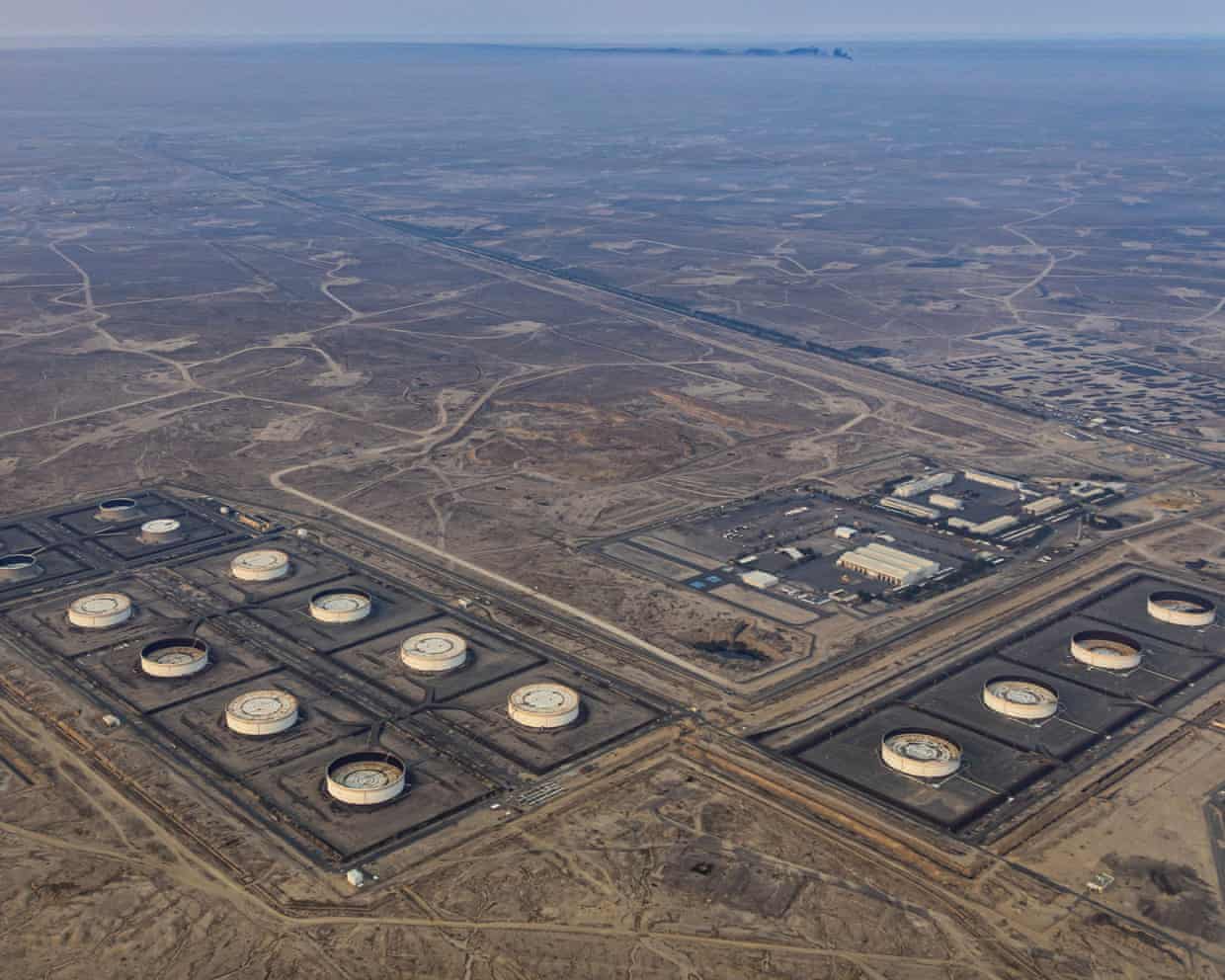
Brent crude hits $90 as Kuwait ‘starts cutting oil production’; shock as US economy loses 92,000 jobs in February – as it happened
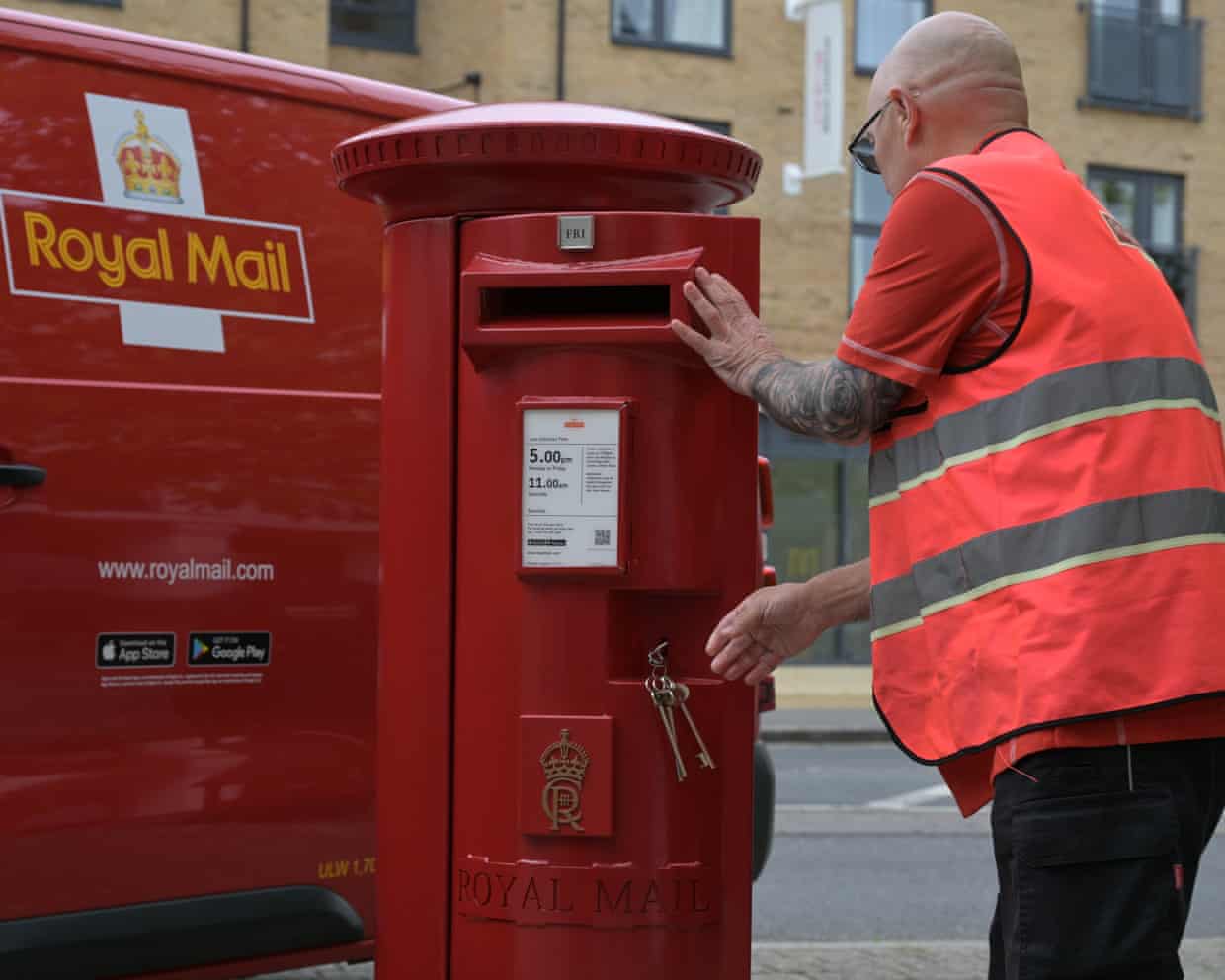
Royal Mail criticised as first-class stamp price rises to £1.80 despite ‘failing service’

US lost 92,000 jobs in February just before Trump joined Iran conflict
BP’s new boss will take home at least £11.7m this year, more than double her predecessor
Rail passengers warned over six-day Easter shutdown on west coast mainline