Nationwide fined £44m by watchdog for financial crime control failings
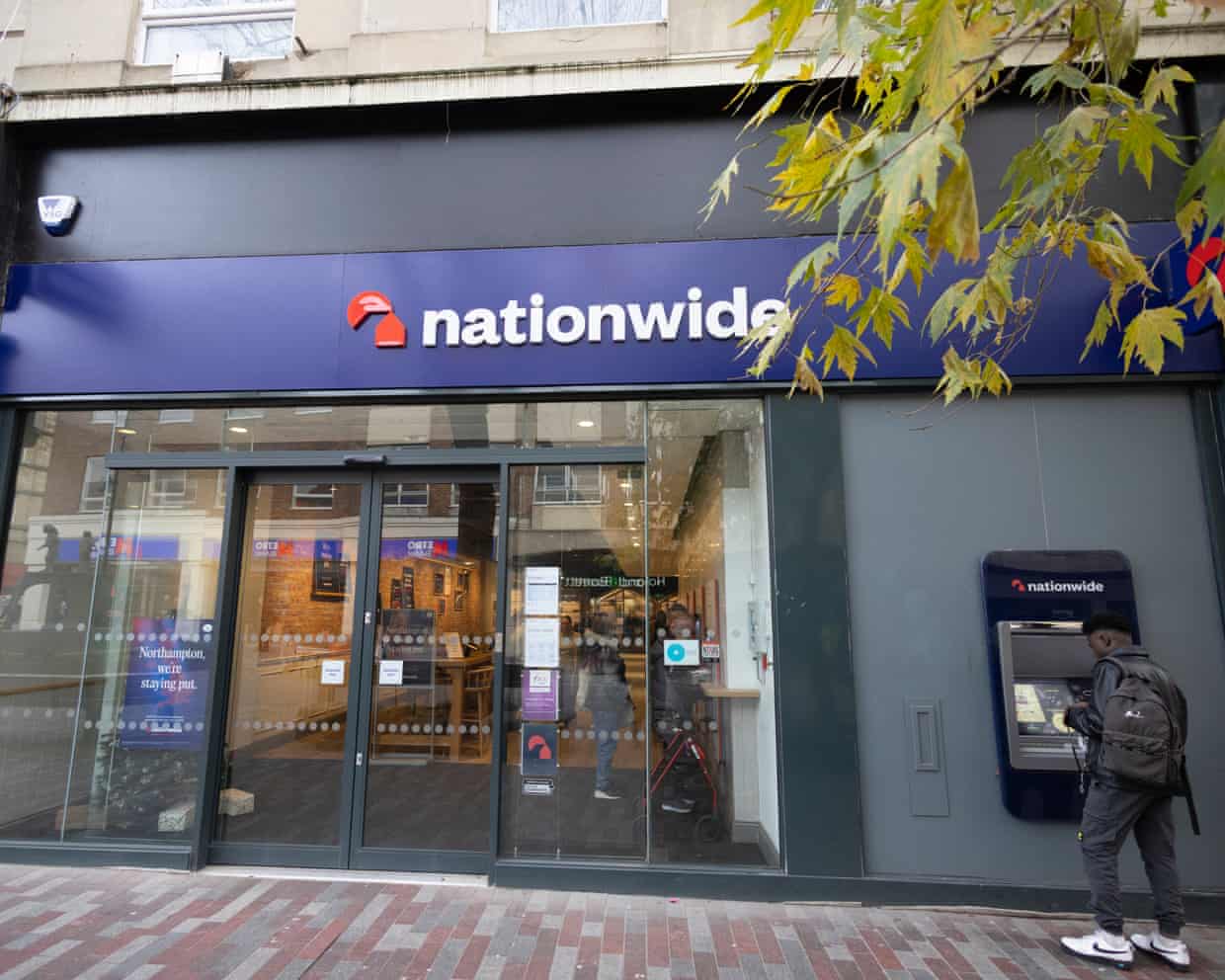
Nationwide has been fined £44m by the City watchdog over “weak” financial crime controls that culminated in a serious case of Covid fraud that cost UK taxpayers £800,000.The Financial Conduct Authority (FCA) fined the building society for failures stretching over nearly five years.It said the lender had been aware that some customers were using personal accounts for business activity, in a breach of its own terms.Nationwide did not offer business accounts at that point and so did not have the right processes in place to monitor potential financial crime risks, the FCA said.This resulted in a case where Nationwide failed to catch a customer using personal current accounts to receive 24 fraudulent Covid furlough payments, totalling £27.
3m over 13 months.About £26m of that sum was deposited in only eight days.While HM Revenue and Customs has managed to claw back £26.5m from the fraudster, approximately £800,000 remains unrecovered, leaving taxpayers out of pocket because of Nationwide’s failures.Therese Chambers, a joint executive director of enforcement and market oversight at the FCA, said: “Nationwide failed to get a proper grip of the financial crime risks lurking within its customer base.
It took too long to address its flawed systems and weak controls, meaning red flags were missed with serious consequences,“Building societies and banks have a key role in the fight against financial crime,Firms must remain vigilant in this fight,”The wider failures at Nationwide related to October 2016 to July 2021, when the chief executive was Joe Garner,While Nationwide tried to make improvements, the FCA said it “failed to adequately address those weaknesses in a timely manner”.
It was later forced to undertake a large-scale financial crime transformation programme, in July 2021.That transformation continued until summer 2024, during which it launched a £2.9bn takeover of its rival Virgin Money under Garner’s successor, the current Nationwide CEO, Debbie Crosbie.Crosbie has since faced her own controversies, including over a 43% increase in her maximum annual pay to £7m, which board members said reflected her new demands after the takeover.Members of the mutual have labelled the payout an “obscenity” and hypocritical.
Crosbie was made a dame in the king’s birthday honours this summer and was appointed the new Women in Finance champion by the chancellor, Rachel Reeves, this week.In the case of the customer who took £27.3m in furlough payments, the FCA said Nationwide had failed to block the account despite a number of red flags, including in 2014, when the application listed an office as the customer’s residential address.The customer tried to make changes to their address 11 times; one of the addresses given was also the registered address of 59,666 other companies.The customer tried to apply for 20 current accounts, savings accounts and credit cards, many of which were abandoned or denied.
That included in 2019 and 2020, when the name and address was flagged on a fraud network match alert.The same customer went on to fraudulently apply for a number of Covid furlough payments during the pandemic.By the time the tax authorities identified the fraud and secured orders to freeze the account, more than £800,000 had been transferred out and was never recovered.The FCA fine came days after the independent Covid counter-fraud commissioner, Tom Hayhoe, released a final report showing that fraud and errors had caused a £10.9bn loss to UK taxpayers during the pandemic.
Nationwide said in a statement: “We are sorry that our controls during the period fell below the high standards we expect.” A spokesperson said the building society had identified the issues through its own reviews, voluntarily brought it to the attention to the FCA and “cooperated fully” with the regulator’s investigation.“Since 2021, Nationwide has invested significantly in all aspects of its economic crime control framework in order to ensure our systems are robust,” they added.“We do not believe that these controls issues caused financial loss to any of our customers and remain committed to preventing economic crime and protecting our customers and the wider UK economy from fraud.”
Tory transport culture wars risked making roads less safe, says minister
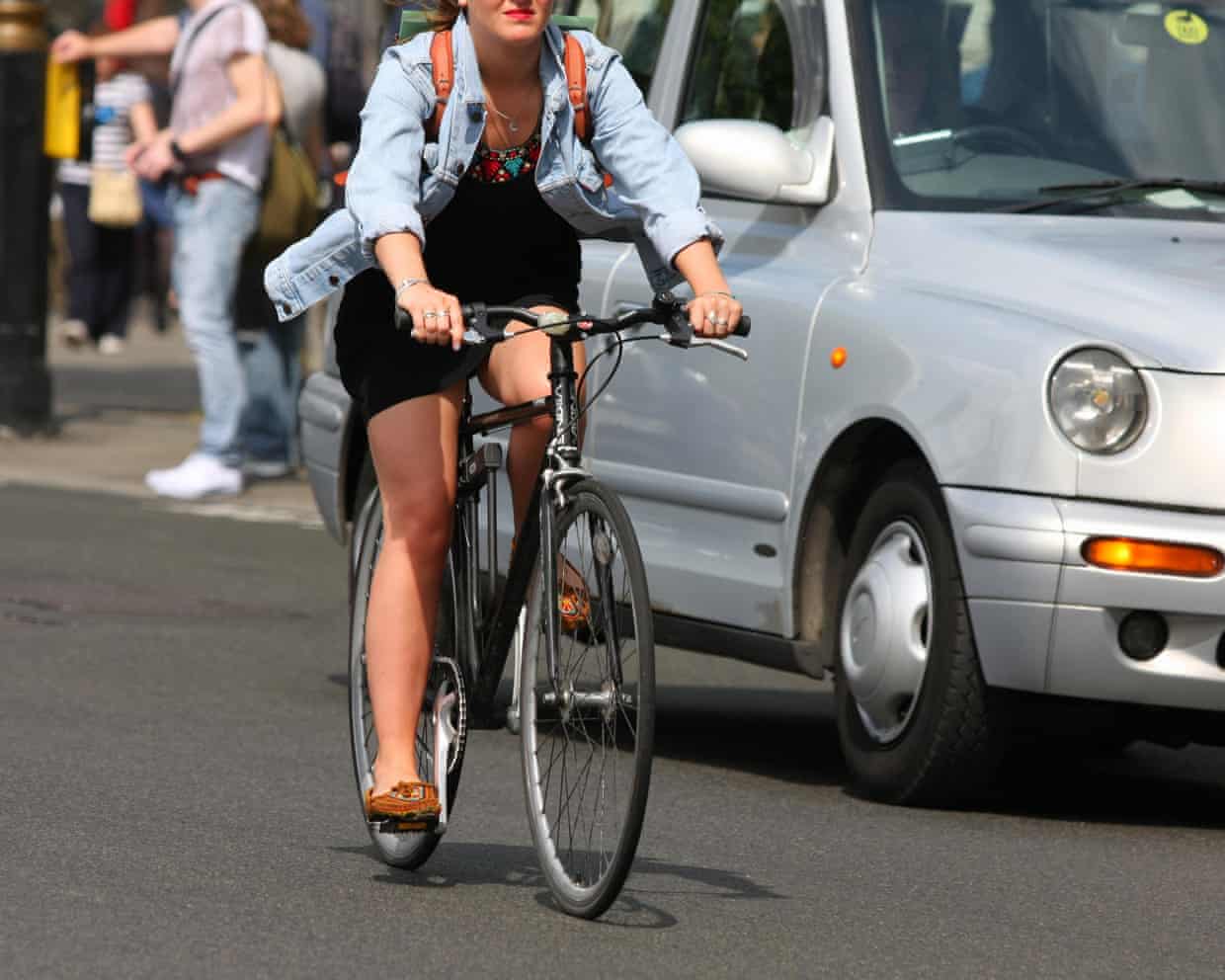
Conservative policies that pitted drivers against cyclists risked making the roads less safe by inflaming tensions, a minister has said, promising that the era of transport culture wars is over.Lilian Greenwood, whose Department for Transport (DfT) role includes road safety and active travel, said seeking to divide road users into categories was pointless given most people used different transport methods at different times.Speaking to the Guardian after the announcement of more than £600m for new cycling and walking schemes across England, Greenwood condemned the way Conservative governments had moved from boosting cycling under Boris Johnson to clamping down on active travel measures when Rishi Sunak was prime minister.Sunak’s government explicitly sought to present its transport policy as prioritising drivers over the needs of cyclists and others, a shift in tone accompanied by an occasional embrace of conspiracy theories about supposed efforts to limit driving.Such an approach was “infuriating”, Greenwood said, and had potential repercussions for safety
Reform councillors accused of ‘rash promises’ as council tax rises loom
Reform UK council leaders have been accused of making “rash promises” after a local authority led by the party has been told it will have to increase council tax by the maximum amount, despite its election promises to cut costs.Warwickshire county council has been warned by its executives that anything less than a 5% maximum council tax increase will put its financial viability at risk.In a report published on Thursday, the council’s board said anything below a 4.99% council tax rise – the equivalent to a £1.75 a week increase on a band D property – is a “riskier financial strategy” that would threaten the medium-term sustainability of the local authority
Dulwich college head responds to claims of teenage racism by Nigel Farage
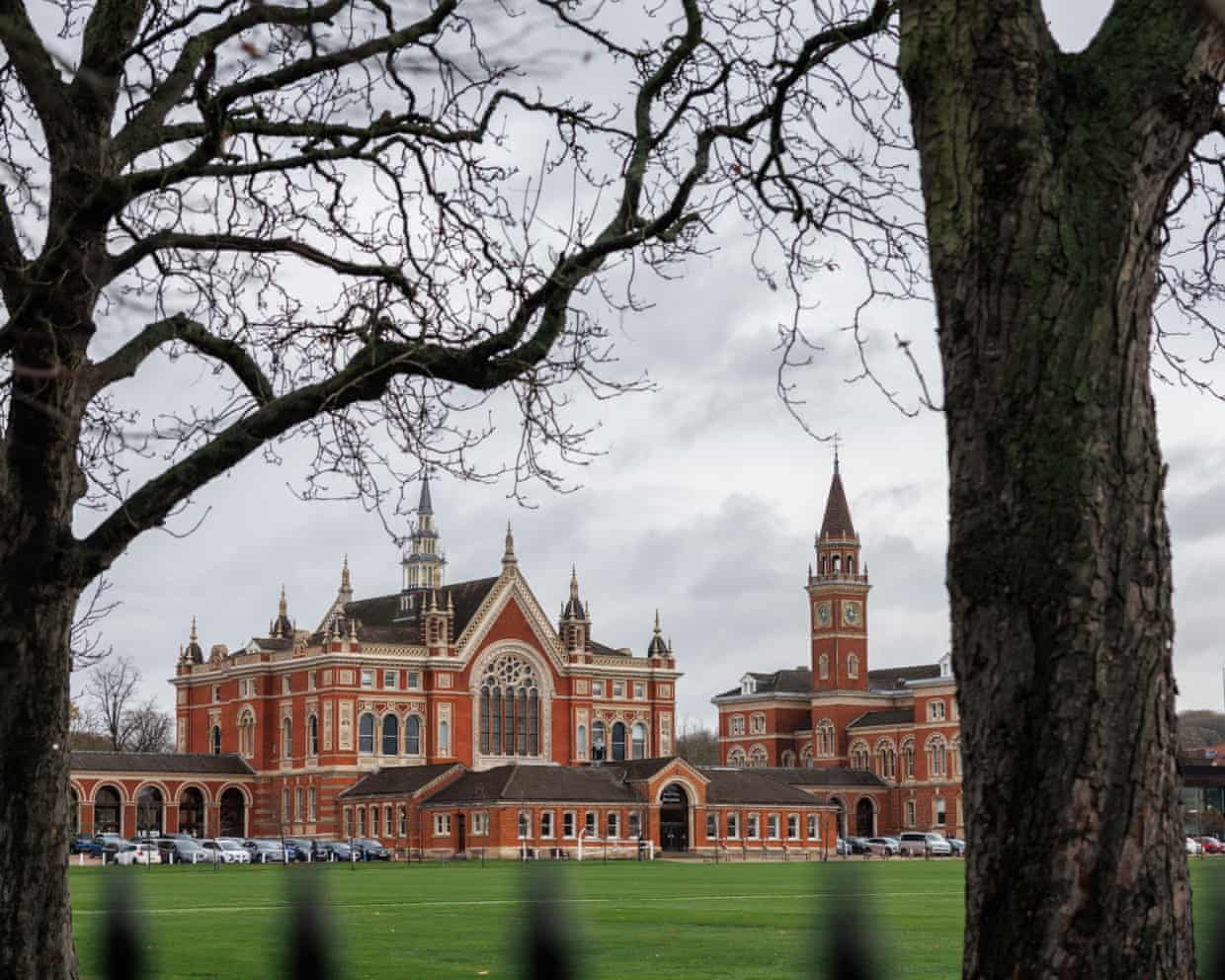
Dulwich college’s headteacher has responded to allegations of teenage racism by Nigel Farage by saying he recognised the “seriousness of the behaviours described in the media”.Robert Milne, who joined the school as its “master” this summer, said the alleged behaviour was “at odds” with the modern-day school in a letter in which he said he understood why 28 former pupils had felt compelled to speak out.Milne was responding to a letter from Jean-Pierre Lihou, a former friend of Farage’s at school, who claims he witnessed abusive chanting and the targeting of Peter Ettedgui, today a successful film director, with antisemitic abuse.Farage has denied “directly” abusing school contemporaries while adding that some of his “banter” may be interpreted differently today.The deputy leader of Reform, Richard Tice, went further by describing those who made claims as liars, although he appeared to backtrack on Wednesday by telling LBC “some recollections may vary”
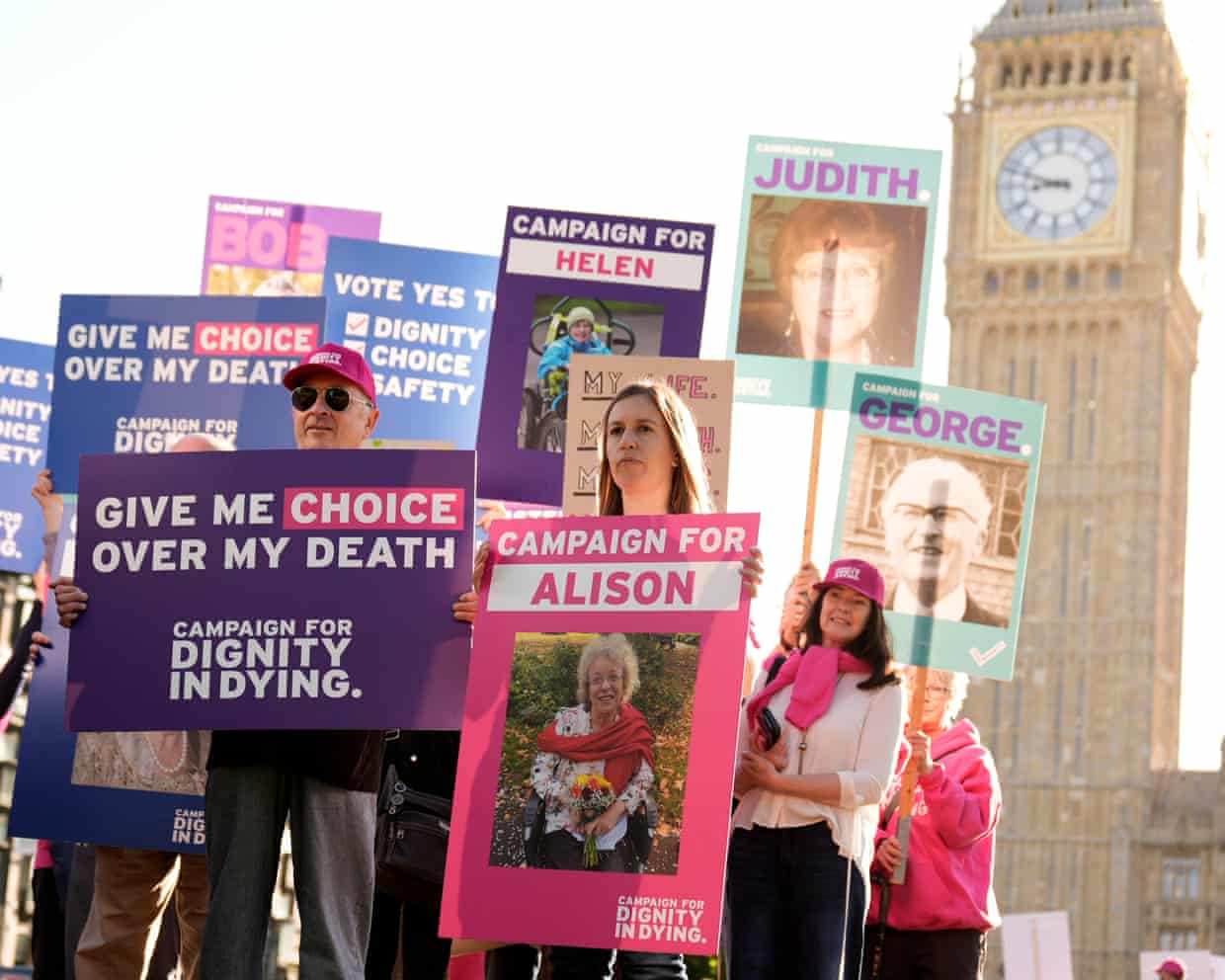
House of Lords’ block on assisted dying bill is a big risk | Letter
When visitors come to parliament, it seems incongruous to explain that, in our mother of parliaments, we have a second chamber – the House of Lords – which is unelected. Those who support its existence in its current or similar form justify it on the grounds that it performs a useful revising function which can improve the detail of legislation, and it undoubtedly does good work.But the fact that it is unelected can only be tolerated in a democracy provided its members accept that it is for the House of Commons to have the last word on what becomes law and what doesn’t in this country.If the Lords resort to blocking procedures, and impede the implementation of decisions taken in the Commons, this is effectively breaking this convention. So how long should we, as the democratically elected chamber, put up with it?Matters seem to be coming to a head with a private member’s bill currently in the House of Lords
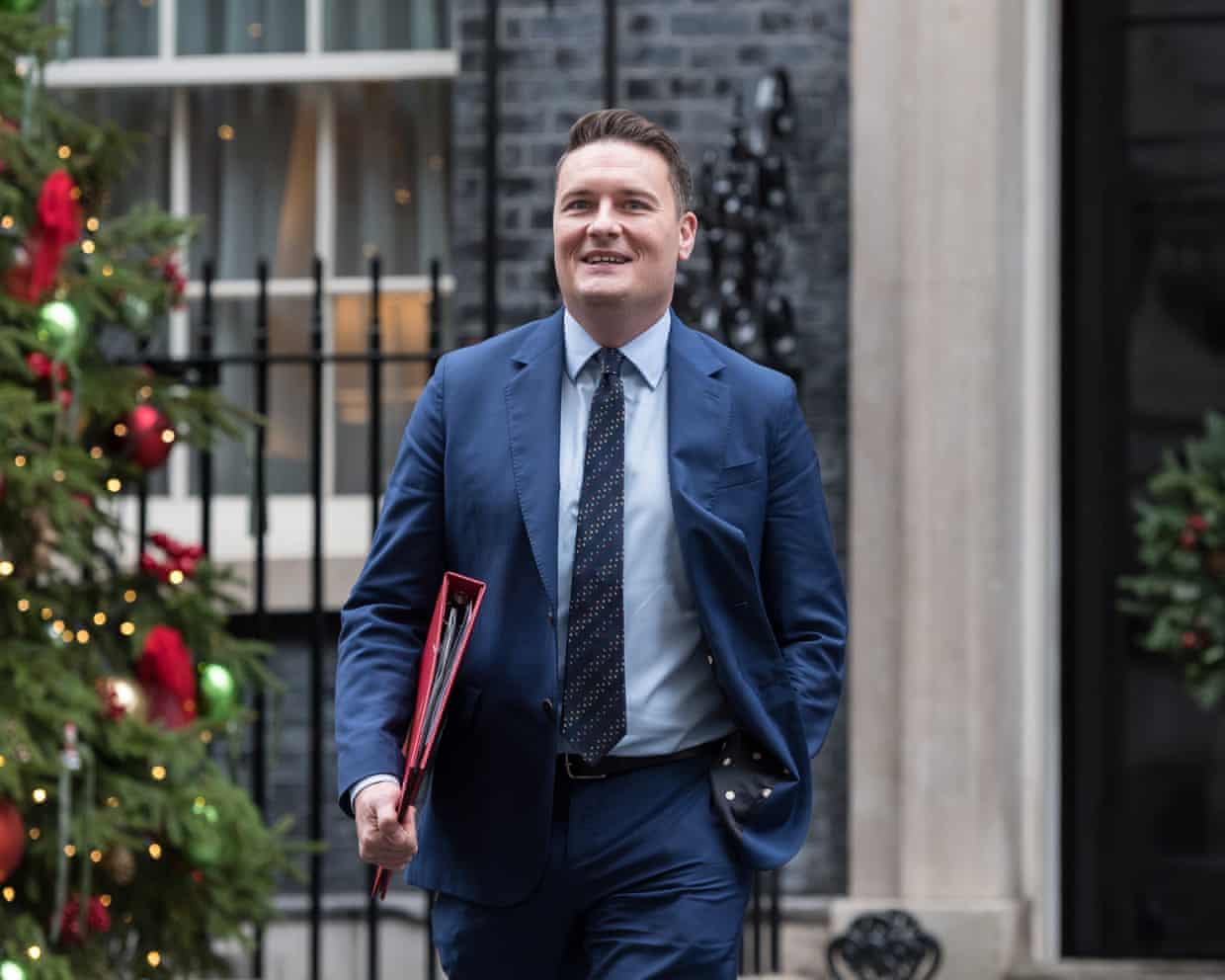
UK politics: No 10 brushes off claims Streeting’s criticism of ‘technocratic approach’ refers to Starmer –as it happened
The Trump security strategy paper contains language reminiscent of 1930s Germany, MPs were told.Liam Byrne, a former Labour cabinet minister and the chair of the Commons business committee, made the suggestion as he said the shift in US policy meant it was even more important for the UK to strengthen economic security links with the EU.Speaking during the urgent question, he said:The language of the US national security strategy was deeply regrettable and, frankly, it was not hard to see the rhymes with some extreme rightwing tropes that date back to the 1930s.Byrne said the publication of the document coincided with talks on the UK joining the EU’s Safe (Security Action for Europe) defence loans programme broke down. He said the government should adopt the recommendations in his committee’s report on economic security, and he said the UK should open talks with the EU on the sort of economic security union that could provide Europe with the growth “that rearmament is going to require”
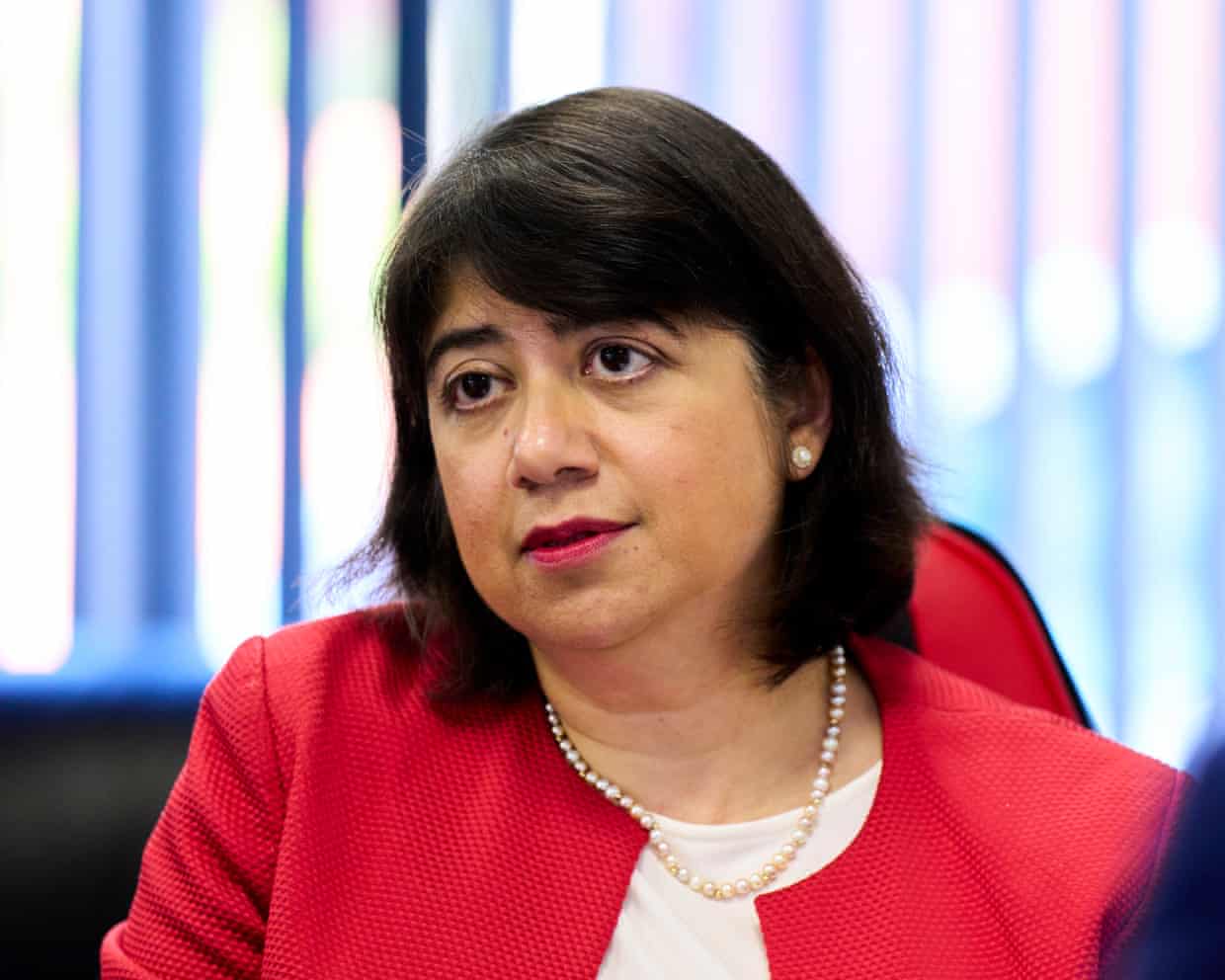
Trump wants to destabilise European democracy. Where on earth is parliament? | John Crace
’Twas the fortnight before Christmas and all through the house, not a creature was stirring, not even a mouse. Apart from a few exceptions. The Labour backbencher Matt Western had managed to secure an urgent question on President Trump’s new national security strategy and the Commons itself was remarkable for its absences. A roll-call of dishonour.Take Nigel Farage
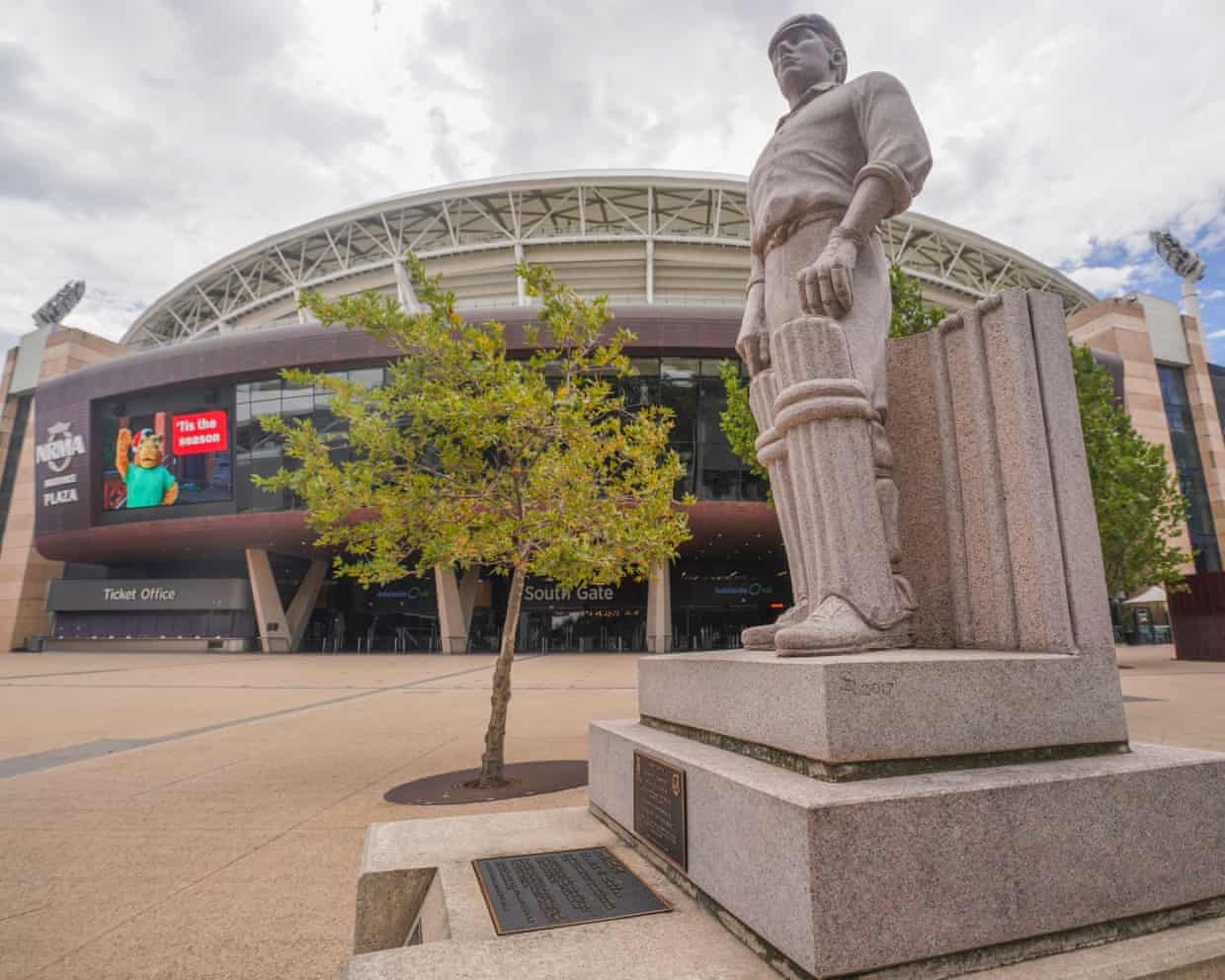
Records, revenge and rollercoasters: three tales from Adelaide Oval’s rich history

Epsom reveals £6m, five-year plan to revive flagging fortunes of the Derby

Lindsey Vonn continues remarkable comeback with World Cup ski victory at 41

NFL playoff race: Patriots and Bills battle in AFC East as Rivers runs it back

A Hollywood ending? Inside the final days of LeBron James in Los Angeles

Even Bazball’s implosion can’t shake Barmy Army’s crew of Ashes veterans | Emma John