Australia is facing its shortest rate cut cycle in 30 years as the RBA hints it may have to start hiking
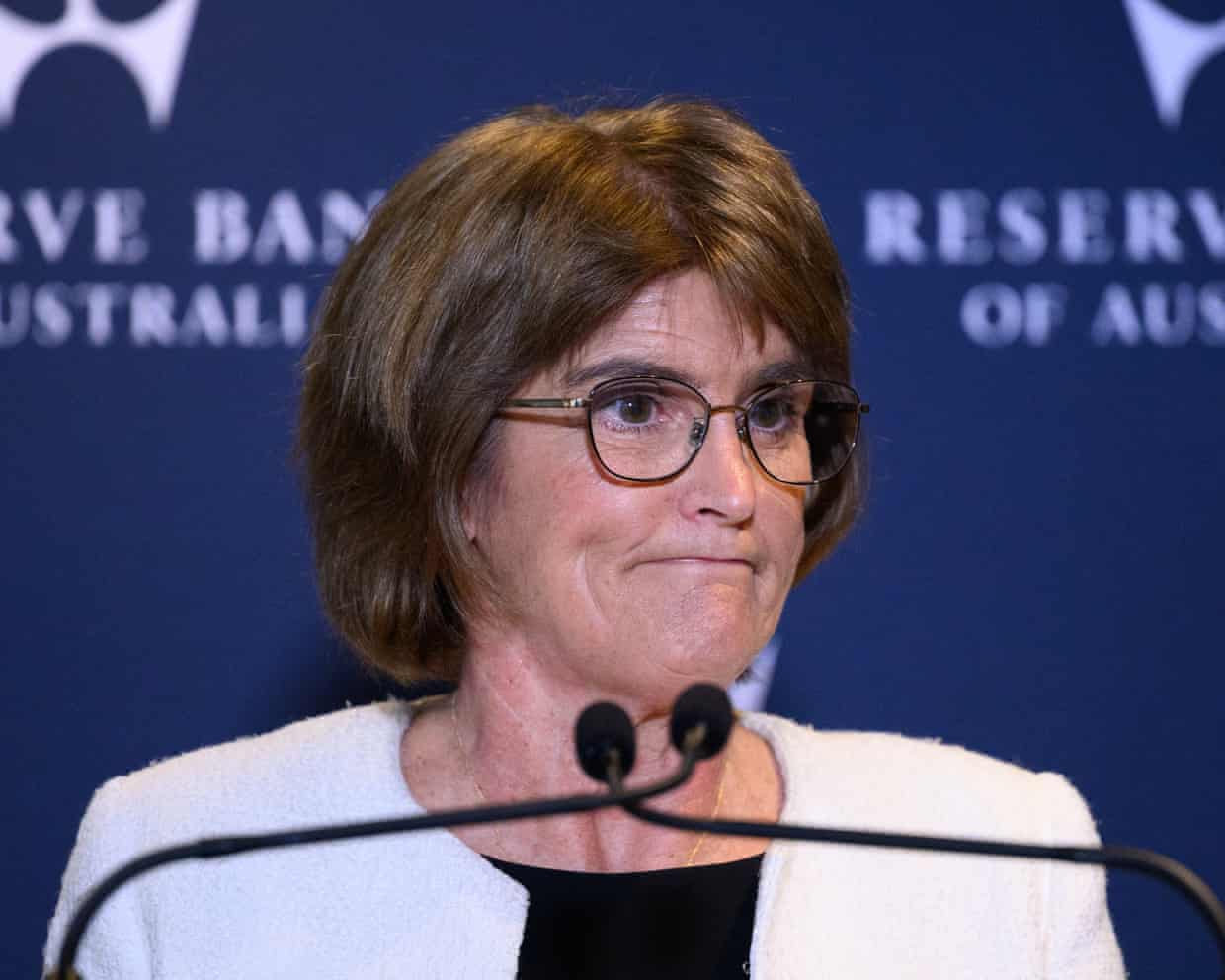
The Reserve Bank’s governor, Michele Bullock, has effectively ruled out further rate cuts and flagged that hikes may be needed in 2026 if the recent inflationary rebound proves persistent,Speaking at a press conference after the widely expected decision to hold the cash rate at 3,6%, Bullock seemed surprisingly upbeat as she delivered the bad news to the roughly 3,3 million households with a mortgage,“I would say at this moment that, given what’s happening with underlying momentum in the economy, it does look like additional cuts are not needed.
”After months of umming and ahhing about “upside and downside” risks to the outlook, the recent string of economic data has clarified matters for the RBA board members.“Their focus now has moved much more towards inflation and being alert to the possibility that if that really is staying up, then they might have to do something,” the governor said.Just in case anybody was not getting it, Bullock was happy to fill in the blanks: “I don’t think there are interest rate cuts on the horizon for the foreseeable future.“The question is, is it just an extended hold from here? Or is it [a] possibility of a rate rise? I couldn’t put a probability on those, but I think they’re the two things that the board will be looking closely at coming into the new year.”Sign up: AU Breaking News emailIf she is correct, this will be the shortest and shallowest rate cut cycle in the 30-year history of the independent central bank: just three cuts delivered in February, May and August.
It’s sure to leave many mortgage holders feeling short-changed, especially given it follows the RBA’s equally historic 13 rate hikes through 2022 and 2023.Nor are just three rate cuts a great return for the Albanese government’s economic strategy.It leaves Jim Chalmers exposed to the Coalition attack line that Labor’s “spendathon” is to blame for overheating the economy.What’s more, the treasurer has already warned Australians they should brace for more bad news in next week’s mid-year budget.Fiscal pressures are intensifying and that demands some “difficult decision” – such as this week’s decision to put an end to household energy bill rebates.
Plus, data from the Australian Bureau of Statistics showed consumer price growth jumped to 3.8% in the year to October – far higher than expected, and well above the top end of the central bank’s 2-3% target range.Sign up to Breaking News AustraliaGet the most important news as it breaksafter newsletter promotionBullock, wary of incurring the treasurer’s wrath, was quick to hose down any suggestions that she has had any “difficult conversations” with Chalmers about the level of government spending.“I’ve said a number of times that governments … have a job to provide services and infrastructure to Australians.They have a lot of things to juggle, and at the same time try to make sure that they contribute to bringing inflation down, which I think is very top of mind for them.
“And whenever I speak to the treasurer, he’s always very conscious of that.”The RBA board next meets in February, at which point Bullock and her board will know more about whether the rise in inflation is here to stay, and what they might need to do about it.NAB’s chief economist, Sally Auld, is already warning there’s a “live” possibility that a hike could come as soon as this next meeting.Not the Christmas message many would have wanted, but a good reason to not overdo the festive spending this year.Patrick Commins is Guardian Australia’s economics editor

A better understanding of mental ill health is crucial | Letters
As a psychotherapist with child and adolescent mental health services, I welcome Wes Streeting’s change of heart on his comments about the “overdiagnosis” of mental health conditions, ADHD and autism (I realise now that my view on mental health overdiagnosis was divisive. We all need better evidence, 4 December). Political point-scoring has no place in public health.By setting up this taskforce, Streeting acknowledges the complexity of the picture and that conversations must be led by research, where science and suffering can be held together.The increase in reported mental health problems and neurodevelopmental diagnoses, and services not keeping pace, reflect what many clinicians see every day – people are in more distress and unable to access support

Rock star: Sasha DiGiulian on making history with a ‘crazy, audacious’ climb of El Capitán
The 33-year-old hit rain, lightning, snow and ice in Yosemite – and still became the first woman to ascend the Platinum routeBig-wall climber Sasha DiGiulian had spent the last three years preparing for a career-defining ascent of one of the most challenging routes up the face of the famed granite cliff known as El Capitán in Yosemite national park. All she and her partner needed was a two-week window of favorable weather. They appeared to get one on 3 November.DiGiulian felt jolts of fear during her training, she said, induced by the sudden 2,600ft of exposure she felt as she rappelled down to practice on the most challenging sections of the iconic California peak. But her nerves calmed when ascending from the base, allowing her to focus more intently on the moves and completing each pitch – a measurement that references a length of the rope that climbers use to secure themselves to the rock

People on lowest incomes being denied access to social housing, research finds
The poorest people in England are being denied access to social housing owing to their low income, in a “catch-22” situation that is pushing more people into homelessness, research has found.A new report from Crisis said that an ever depleting supply of social homes meant that housing associations were using strict criteria to choose new tenants, and people on low incomes and in receipt of benefits were having applications denied due to being deemed too risky.The situation has been compared to “rearranging the deckchairs on the Titanic” by one housing association, as the homelessness charity urged the government to introduce new rules.“Ultimately, people are in a catch-22 situation where they’re looking to move into a social rent home, and they’re basically told no because of their financial circumstances. But where else can people live?” said Francesca Albanese, executive director of policy and social change
Local authorities in England and Wales warn finances at ‘breaking point’
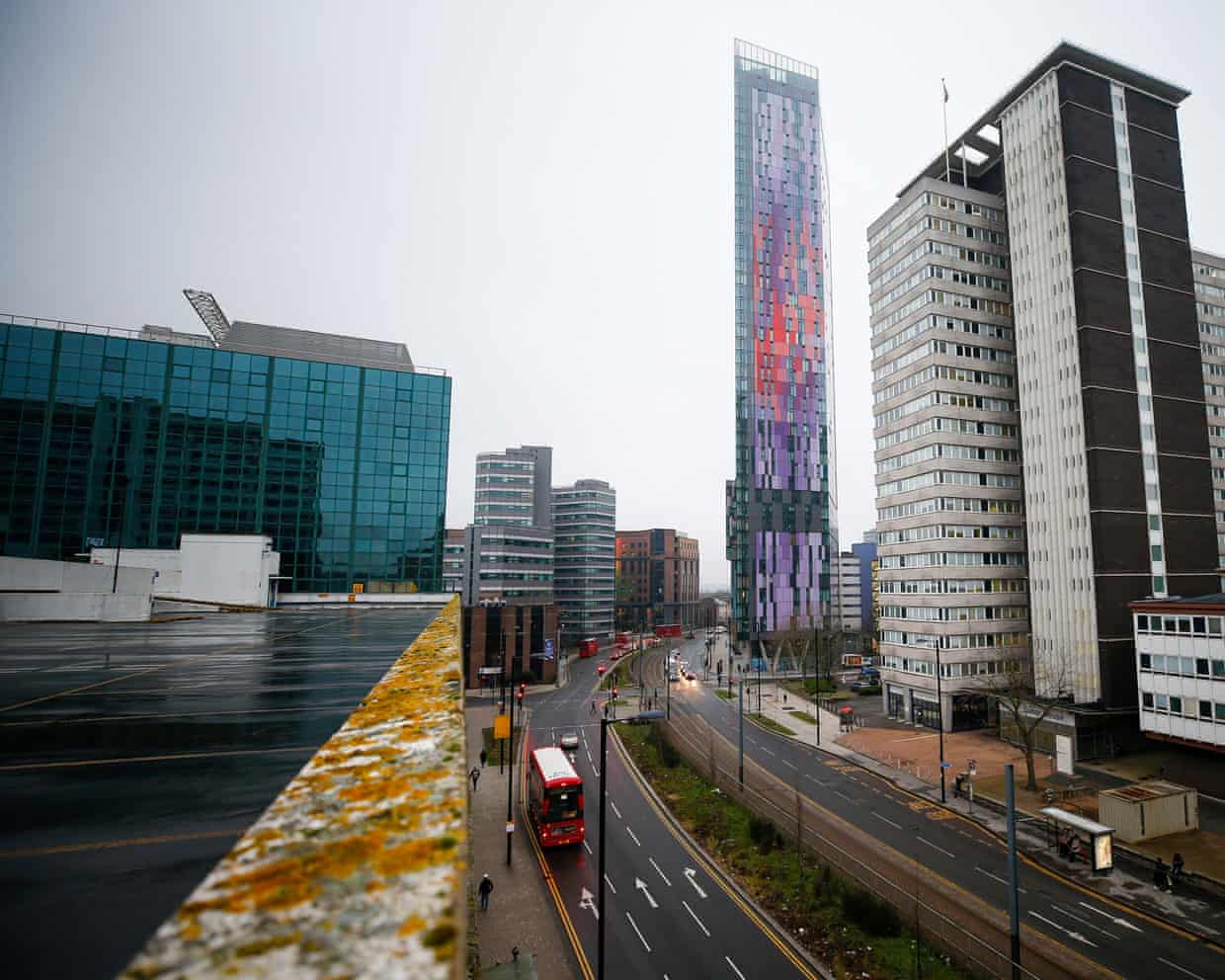
Local authorities in England and Wales have warned their finances are at “breaking point” with more councils expected to fall into bankruptcy in future, as they face a nervous wait to discover their government funding this month.Council leaders expect changes to annual funding arrangements will result in steep cuts for many local authorities, preventing many from balancing their books and providing basic services to citizens.Amid a crisis in local authority funding, 29 councils have already been unable to meet their financial obligations without special government loans, including Croydon, Thurrock in Essex and Birmingham.Norfolk county council’s deputy leader for finance, Andrew Jamieson, said the number of local authorities unable to meet their statutory obligations was likely to grow when the government publishes a new funding settlement this month.“We are often accused of crying wolf, but local authorities are reaching breaking point now,” he said
Rules on single-sex spaces pose risk to trans people’s mental health, UK charities say
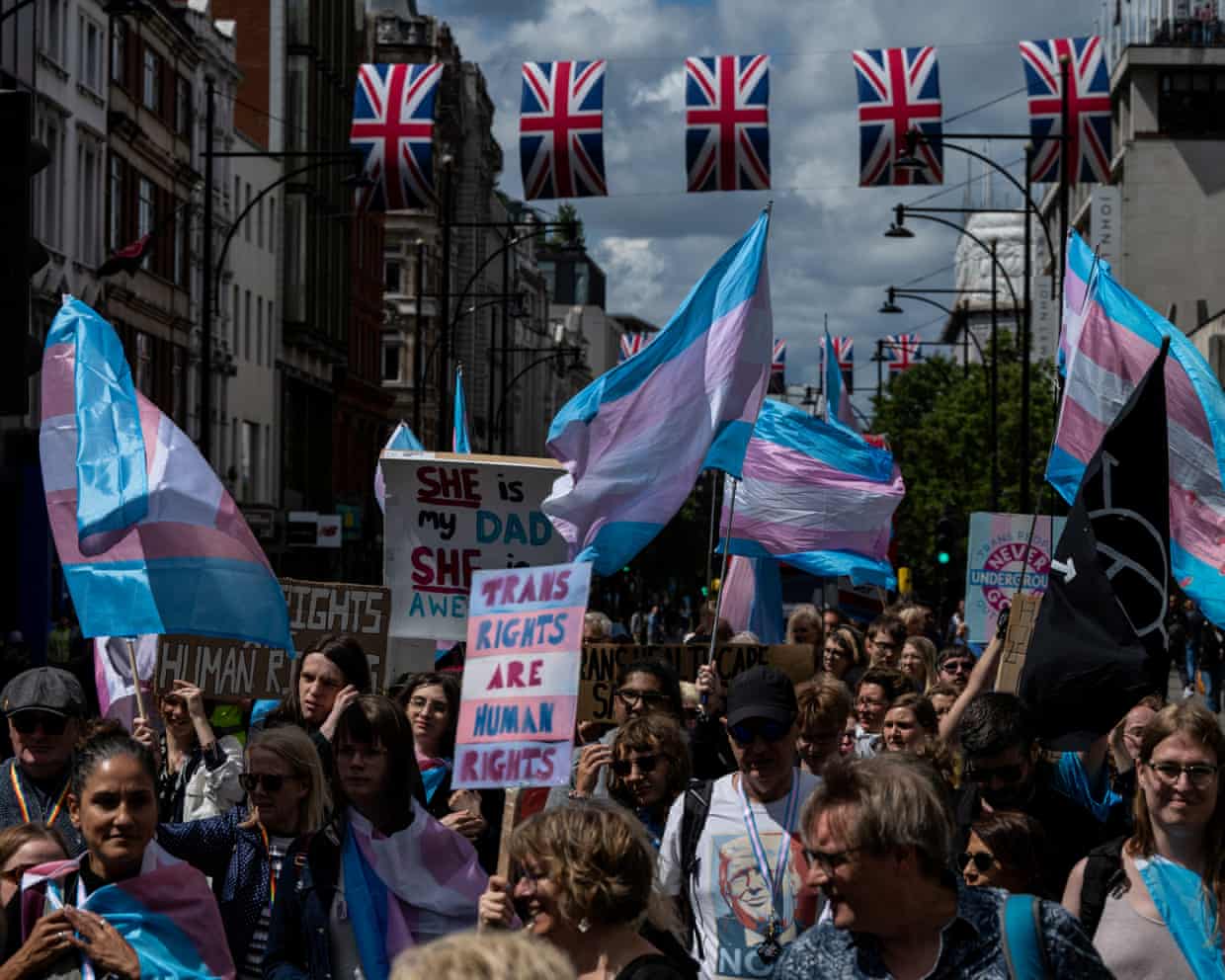
New rules on access to single-sex spaces could pose a significant risk to the mental health of trans and non-binary people, according to 15 of the UK’s most respected mental charities.Organisations including Samaritans, Mind, Centre for Mental Health and the Royal College of Psychiatrists have written to the equalities minister, Bridget Phillipson, to express their “deep concern” about guidance from the Equality and Human Rights Commission (EHRC) that is awaiting approval from the government.The letter says the guidance could “deepen existing inequalities and pose significant risk to the mental health of trans and non-binary people across UK”.It says: “Mental health services should be places of refuge, not risk, and equality protections must strengthen, not erode, the conditions that enable people to feel safe and supported.”The EHRC is waiting for ministers to approve its official guidance on how public bodies, businesses and other service providers should respond to the supreme court’s ruling in April that the legal definition of a woman is based on biological sex

Spiteful or fair? Reeves’s mansion tax plan proves divisive | Letters
Jonathan Liew’s article (Won’t somebody please think of Britain’s poor £2m homeowners? Oh, wait – everyone already is, 2 November) entirely misses the point that underlies the spate of criticism against the “mansion tax”. While wealth disparity is no doubt an issue that needs to be addressed, this tax is a spiteful assault on hard-working taxpayers who already pay an enormous proportion of their salary to the Treasury to support a woefully mismanaged public sector and welfare state. Those who support the tax seem to be driven by a simple ideology that we need to “bash the rich” to create equality.In the real world, this tax penalises hard-working families who have made difficult choices and made huge sacrifices to get to where they are. I come from a working-class background, I worked hard at school and achieved good grades, I worked part-time jobs, paid my own way through university and chose a profession that pays well, relocating to London and making sacrifices to earn good money – spending 18 hours a day in the office – and I chose to buy property and invest in it
‘It has to be genuine’: older influencers drive growth on social media

Scores of UK parliamentarians join call to regulate most powerful AI systems

A robot walks into a bar: can a Melbourne researcher get AI to do comedy?

Artificial intelligence research has a slop problem, academics say: ‘It’s a mess’

Cloudflare apologises after latest outage takes down LinkedIn and Zoom

‘Urgent clarity’ sought over racial bias in UK police facial recognition technology