‘What’s my life like away from rugby? Chaos’: Red Rose superstar Ellie Kildunne on confidence, cowboy dances and why it’s cool to be different
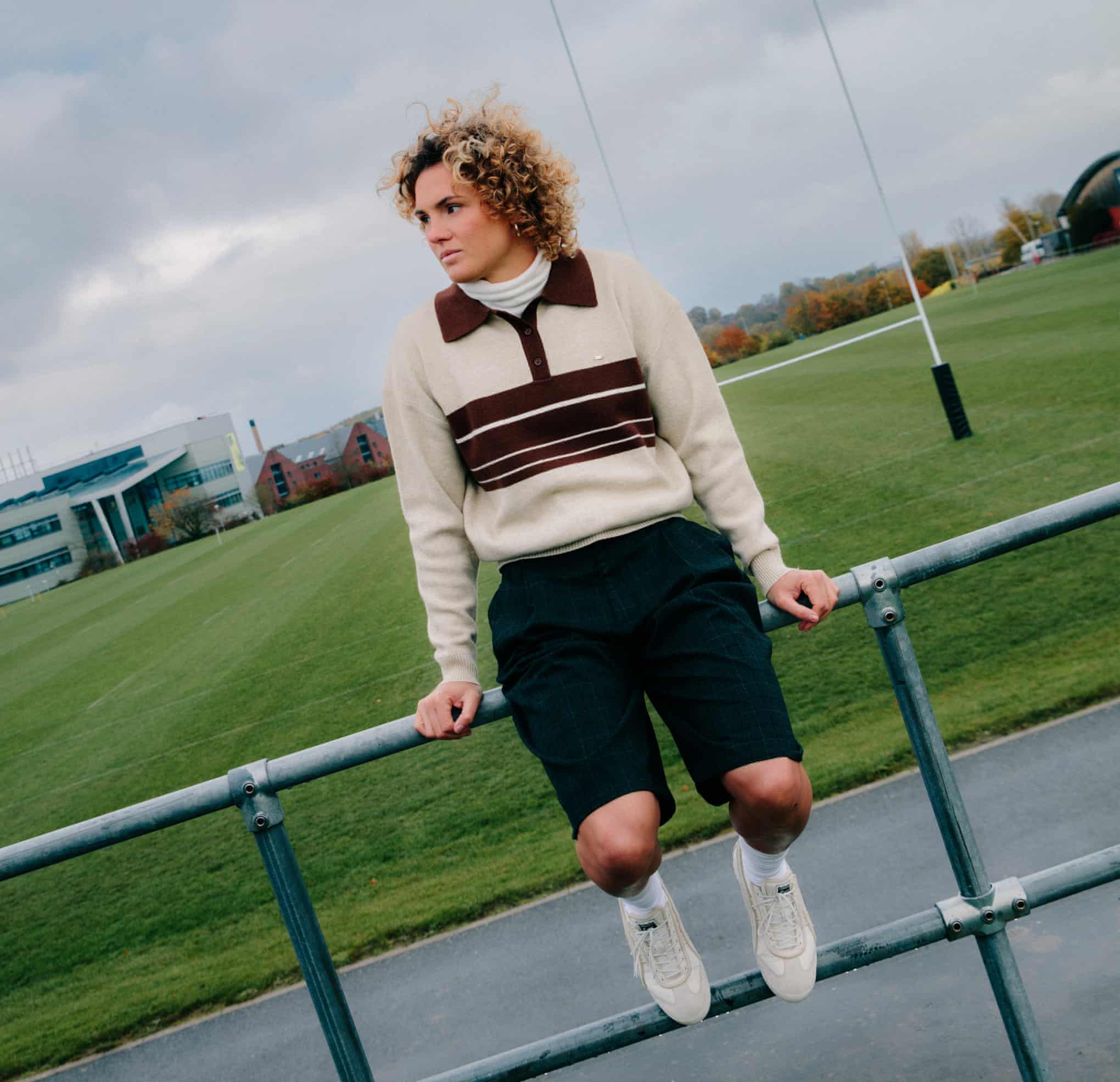
Kildunne is known for her startling speed and audacious tries, but there’s more to the talented full-back than rugby, from a passion for photography to a sideline in DIY tattooingEllie Kildunne says it’s not quite sunk in yet.A couple of months on from winning the Rugby Union World Cup with her England teammates, she’s still on a high.I ask if she slept with her winner’s medal by her bed the night they won.“That night?” She gives me a look.“It’s still by my bed.
Every day.I wake up and the medal’s next to my bed.And it’s, like, as if!”But Kildunne is not resting on her laurels.She says the medal is also a reminder of what’s left to achieve – for her, and for women’s rugby in general.“Your heart’s telling you that you’ve done it, but I need to refocus.
So it’s about how can we win the prem, how can we win another Six Nations, more World Cups? How can we keep fans coming to games? We’ve sold out Twickenham, so how do we do it again?”Kildunne is a freak, as she tells me time and again.First of all, there’s the way she plays the game.Rugby is a team sport involving strict discipline and complex rules.But Kildunne, a full-back, plays largely on instinct and is impossible to predict.She has phenomenal speed and stamina (an unusual combination), exceptional grace and strength, pops up anywhere on the pitch, and could out-sidestep Fred Astaire.
In 2024, she was named World Rugby women’s 15s player of the year – the greatest individual honour in the game,In September’s World Cup final against Canada, she scored a try that reminds me of Diego Maradona’s legendary goal for Argentina against England in 1986 (widely regarded as football’s greatest World Cup goal ever),Kildunne caught the ball on the left flank about 30 yards from Canada’s try line, she ran through two players, sprinted past a third, swerved past a fourth, then a fifth, raced past a sixth and seventh before planting the ball down in the middle of the goal,Genius,One of the great sights of the World Cup was seeing Kildunne and her fellow England teammates Meg Jones and Jess Breach celebrate scoring with the cowboy dance – one hand on the hip, the other throwing imaginary lassos above their heads, while bobbing side to side on their imaginary horses.
Joyous.Kildunne scored another audacious try in the semi-final a week before, crossing the entire pitch as she swerved past player after player.She admits this try gave her an extra buzz because it came after a spat with the opposition.“Just before, I’d given one of the French girls a bit of chat, told her to shush – it got out on camera.” Does she often sledge the opposition? “I try not to, but the French woman pushed me and another one of the girls in the back.
I’ve done it before, when I scored a try and a girl was getting in my ear,Before I put the ball down, I waved at her,That caused a bit of havoc as well,” Do her opponents think she’s arrogant? “I’m sure people do, but I’m not big-headed,”We meet in Guildford, Surrey, at the training ground of Harlequins, her club team.
Her self-belief is obvious from the off,She’s a supreme athlete, and she knows it,But there’s more,She’s also a brand expert – the brand in question being Ellie Kildunne,To be fair, she is a hugely marketable asset – brilliant, good fun, eloquent and thoroughly eccentric.
Ask her to describe herself, and she does so in one word: chaos.One of the unusual things about Kildunne is that both she and her younger brother Sam play rugby (he is a winger for Ampthill club and has played for England rugby sevens) despite coming from a non-rugby household.She grew up in a remote farmhouse in West Yorkshire, but there were families with kids on either side, so she played football with the boys from an early age.Kildunne is a Liverpool fan, and she adored Steven Gerrard and Fernando Torres.One day, she was playing outside with her neighbours and they were called in because they had to go to rugby training.
If they were doing rugby, Kildunne reasoned, why shouldn’t she? And that’s how it all started.As with football, she was the only girl on a boys’ team.Did she feel weird? “I didn’t think about it, because it was my normal.I just thought it was weird that other girls didn’t play, because I knew how much I enjoyed it.I knew I was different.
And I don’t think that’s a bad feeling.It’s cool to be different.”Has she always had that confidence? “Yes.I was talking to someone about it the other day.I remember having this thing in my head when people asked me why I played rugby.
I must have been 11 at the time, and I said, ‘If you go to a farmers’ market and there are loads of green apples, but in the middle there’s a red apple, which apple do you think about the most? You think about the red apple.I’m that red apple.’ I’ve always been that red apple.I’m not a sheep.”Kildunne, aged 26, says her childhood was idyllic.
Her mother (who works in marketing) and her father (who trains sales people) encouraged her and Sam to do whatever they wanted.Their home was so remote they weren’t in a school catchment area, so her parents made sacrifices and educated the children privately.Did her school have great sports facilities? “Yeah, but I don’t think that made me what I am today, because private schools are very traditional.I was told to play netball not rugby, and I wiggled my way in by getting my old rugby coach to come in and say, ‘Give her a chance.’” She was allowed to play in the B team with the boys.
At school, she was well behaved (not a single detention), academic (all A*s and As in her GCSEs), but still chaos.If she wasn’t forgetting things, she was losing them, whether it was her gum shield or boots for rugby or her planner for work.Her weekends were dedicated to sport – rugby league Saturday morning, rugby union Saturday afternoon, football Sunday.“I played as much sport as I could, for as long as I could.”Were she and Sam competitive? “Incredibly.
Over everything.We were so close, but we were really competitive.We still are, but it’s a lot more collaborative now.He watches my games and I watch his, and we talk about stuff in the most honest way – like, ‘That pass was shit!’” Nice, I say.She laughs.
“But when you get a compliment you know it’s meant,”Kildunne began playing rugby league for Keighley Albion and rugby union for Keighley, then moved on to West Park Leeds and Castleford,Kildunne was so single-minded she didn’t even consider that her parents might object when, aged 16, she told them she wanted to leave Yorkshire for Gloucester so she could join the semi-professional women’s rugby club Gloucester-Hartpury,Her parents weren’t happy and, for the first time in her life, they told her no,But she wasn’t going to be deterred.
After much talk, and the shedding of many tears, they conceded.Two years later, in autumn 2017, she made her England debut as a substitute against Canada.Of course, she scored a try.And it’s gone on like that ever since.She has played 57 times for England scoring 235 points.
I admit to her I know sod all about rugby,She seems delighted,“I love that,That’s cool,I don’t like it when journalists know all about rugby, because they just ask me the rugby questions you can search on Wikipedia, whereas I want people to know Ellie, not Ellie Kildunne the rugby player.
” I reckon I’m not the only rugby ignoramus who’s a fan of hers,At the World Cup she made a splash, not just with the brio and audacity of her play, but with her cascade of corkscrew curls, big grin (few people smile as they’re playing any sport, let alone rugby) and, of course, the cowboy dance,Where does the dance come from? “Me and Meg,Nobody knows this part of the story,We went on holiday with a few of the girls to Zante [also known as Zakynthos] a few years ago, just before Covid, and we had quad bikes.
And we were, like, should we just be cowboys? Go and eat doughnuts and stuff.We were just being silly, like jumping off walls into the pool.Then when Meg came back into the Red Roses, we were in New Zealand [for the 2021 World Cup, which took place in 2022 due to Covid] and a bit bored on this day off, and there were scooters, and we were, like … should we play cowboys?” So what does it mean to be a cowboy? “Have fun!”Do you have to be hard to play rugby? “It depends what position you play, but you’ve got to be pretty hard.The biggest thing is mentally you’ve got to be tough.I’m not going to be running into people.
My job is to avoid people.” You still get whacked though, don’t you? “You do.People want to hit you.There are times when I question why the hell am I doing this?” Really? “Well, when it’s raining outside, and someone’s just stood on my hand, my toes are freezing and I’m running into someone who’s tackling me – you do think, why do I do this?” She stops, and smiles.But I never think I don’t want to do this.
I wouldn’t do anything else for the world.”What’s the worst injury she’s suffered? “Ach, I haven’t had major injuries,” she says dismissively.“I’ve broken my hand, torn my hamstring, torn my calf, had shoulder surgery.They’re not too bad, touch wood, but it’s all part of it.” I wonder what she considers a serious injury.
Kildunne is not built like a prop forward (rugby’s classic brick shithouse – think Joe Marler, as seen in Celebrity Traitors).But look at some of the photos of her on Instagram and you can see just how defined she is – six-pack, washboard stomach, ripped biceps.She says she was reluctant to muscle up in the early days.It simply wasn’t her idea of womanhood.“I remember being at school and everyone wanted to be a Hollister model – tiny runway models – and everyone wanted the thigh gap.
I didn’t want to put on loads of muscle mass because I was young and impressionable, and you see what you see on social media.” But Kildunne came to understand her lack of strength was holding her back.“I got a stress fracture in my knee because I wasn’t strong enough.So I realised I needed to knuckle down and get stronger and more robust.I had to flick a switch and learn to enjoy the gym; enjoy being strong.
” And she does now.Thankfully, she says, the Hollister ideal is changing.Kildunne points out that the more there are visible, successful women in sports such as rugby, bodybuilding and weightlifting, the greater the variety of role models for girls and young women.“Now there are so many women of different sizes and with muscles, and they’re prepared to show them off on their personal Instagrams.So, where it used to be the tiny, slight women on magazine covers, now you’ve got people like Ilona Maher, the American rugby player, who is a superstar and incredibly strong

What is polygenic embryo screening in IVF and does it work?
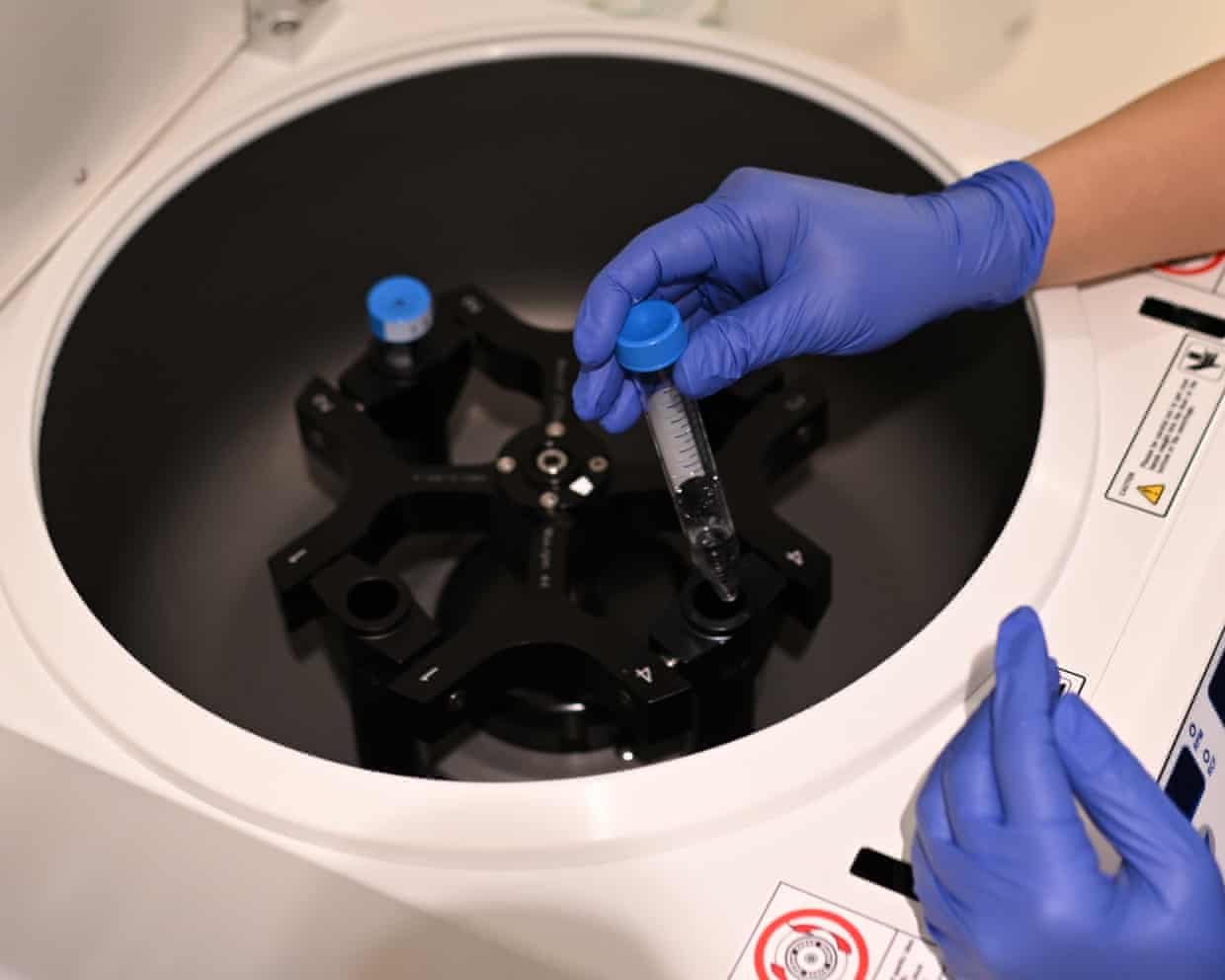
The Guardian has learned that couples undergoing IVF in the UK are exploiting an apparent legal loophole to rank their embryos based on genetic predictions of IQ. But what is polygenic screening and does it work?Fertility treatments are strictly regulated, with tests performed on embryos legally restricted to a list of serious health conditions. These include about 1,700 single-gene disorders, including Huntington’s, cystic fibrosis and sickle-cell disease. Clinics can also test for aneuploidy – when an embryo has extra or missing chromosomes – which lowers the chance of a successful pregnancy or can lead to genetic conditions. Polygenic screening, or PGT-P, which aims to give predictive scores for health, height, IQ and other traits is not permitted
UK IVF couples use legal loophole to rank embryos based on potential IQ, height and health
Couples undergoing IVF in the UK are exploiting an apparent legal loophole to rank their embryos based on genetic predictions of IQ, height and health, the Guardian has learned.The controversial screening technique, which scores embryos based on their DNA, is not permitted at UK fertility clinics and critics have raised scientific and ethical objections, saying the method is unproven. But under data protection laws, patients can – and in some cases have – demanded their embryos’ raw genetic data and sent it abroad for analysis in an effort to have smarter, healthier children.Dr Cristina Hickman, a senior embryologist and founder of Avenues fertility clinic in London, said rapid advances in embryo screening techniques and the recent launch of several US companies offering so-called polygenic screening had left clinics facing “legal and ethical confusion”.“This opens a whole can of worms,” said Hickman, who raised the issue in a letter last month to the Human Fertilisation and Embryology Authority (HFEA)

AI deepfakes of real doctors spreading health misinformation on social media
TikTok and other social media platforms are hosting AI-generated deepfake videos of doctors whose words have been manipulated to help sell supplements and spread health misinformation.The factchecking organisation Full Fact has uncovered hundreds of such videos featuring impersonated versions of doctors and influencers directing viewers to Wellness Nest, a US-based supplements firm.All the deepfakes involve real footage of a health expert taken from the internet. However, the pictures and audio have been reworked so that the speakers are encouraging women going through menopause to buy products such as probiotics and Himalayan shilajit from the company’s website.The revelations have prompted calls for social media giants to be much more careful about hosting AI-generated content and quicker to remove content that distorts prominent people’s views

We must warn travellers about the risk of methanol poisoning | Letters
With 14,600 deaths caused by suspected methanol poisoning incidents worldwide since 2015, much more needs to be done to prevent tragedies like the death of Simone White in Laos last year (Brain damage, blindness and death: the global trail of trauma left by methanol-laced alcohol, 29 November).Following campaigning by bereaved families and supportive MPs, the UK government has included education about methanol dangers in the national curriculum and strengthened Foreign Office advice to travellers, extending the warning to more countries. We now need a wider national campaign involving travel companies, with a message that in countries such as Indonesia, which has the highest number of reported incidents of suspected methanol poisoning globally in the past 10 years, spirits should be avoided altogether.Jim Dickson MPLabour, Dartford Have an opinion on anything you’ve read in the Guardian today? Please email us your letter and it will be considered for publication in our letters section.
A guide to the Guardian’s 2025 charity appeal partners
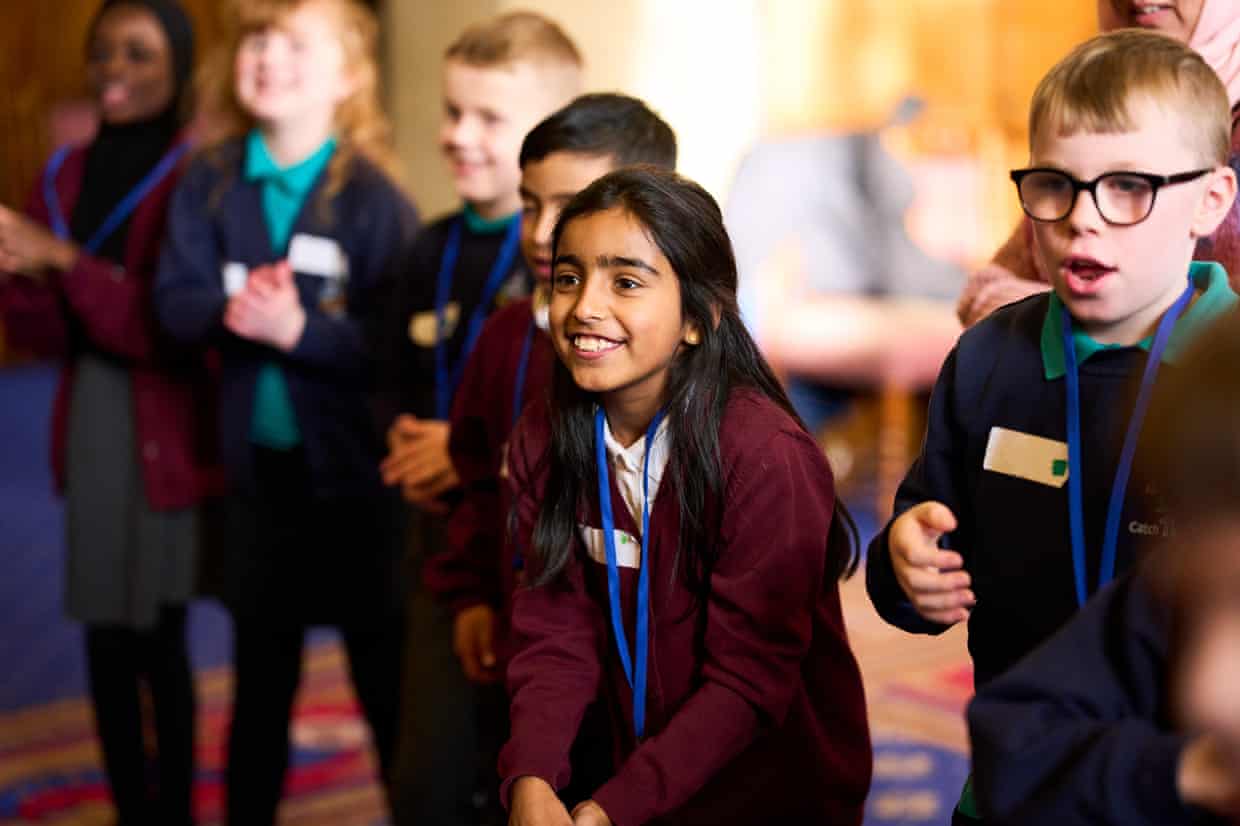
Locality is the national network that brings together people to transform lives and improve the place they live. Its 2,000 members are local community organisations, often in the most disadvantaged areas, who create connections and provide vital services – from food banks to community centres, affordable housing projects to youth clubs.As Locality’s chief executive, Tony Armstrong, says: “Our work is the antidote to despair – we inspire hope and generate resilience, pride and opportunity.”Rooted in local areas, Locality members counter the extremism and toxic narratives that erode trust and pit neighbours against one another. “The only way to combat division is to connect people, building bridges in communities rather than putting up walls,” he says
Tell us: have you lived in temporary accommodation in the UK with children?
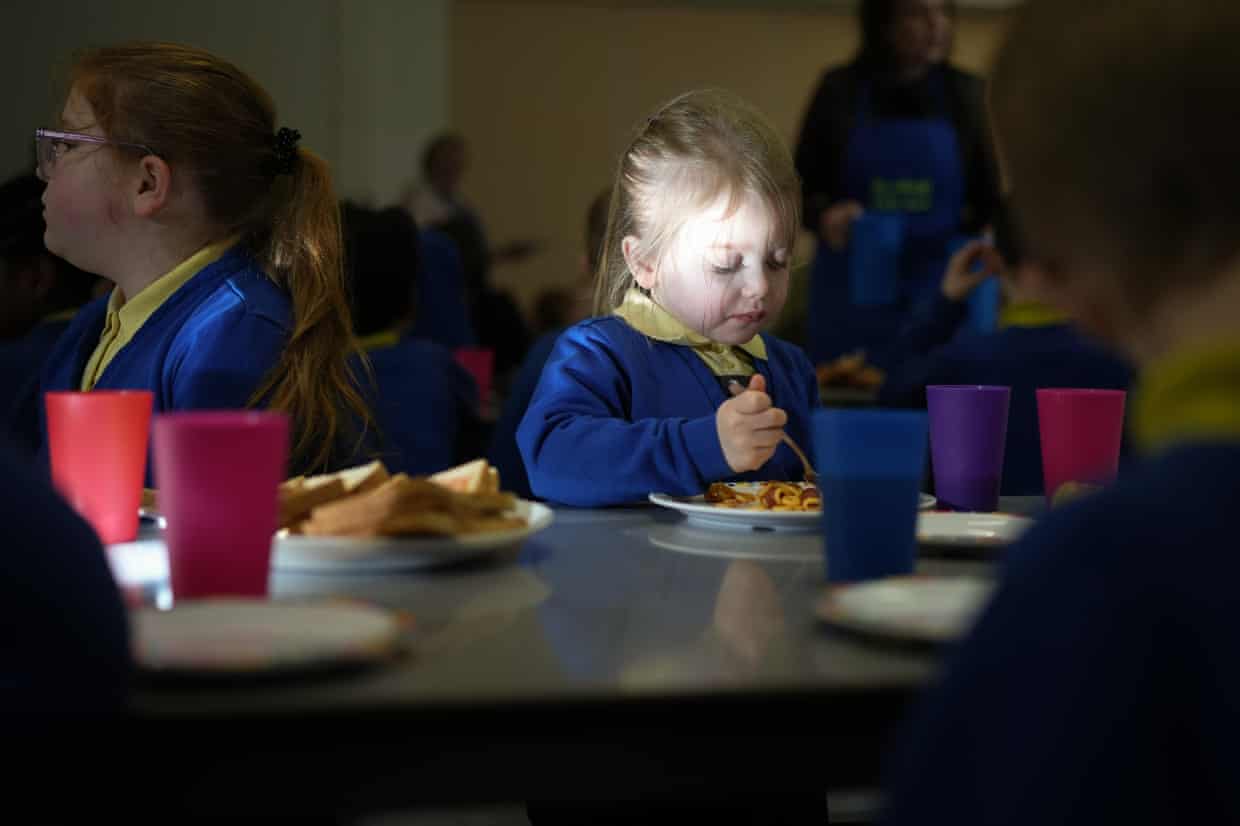
More than 172,000 children were living in temporary accommodation in England at the end of June, according to the latest quarterly official figures from October.That represented an 8.2% rise on the same period last year. There are now more than 130,000 households households living in temporary accommodation in England, the figures showed.Matt Downie, chief executive of Crisis, said: “Tragically we have now become totally accustomed to seeing record levels of children growing up in temporary accommodation
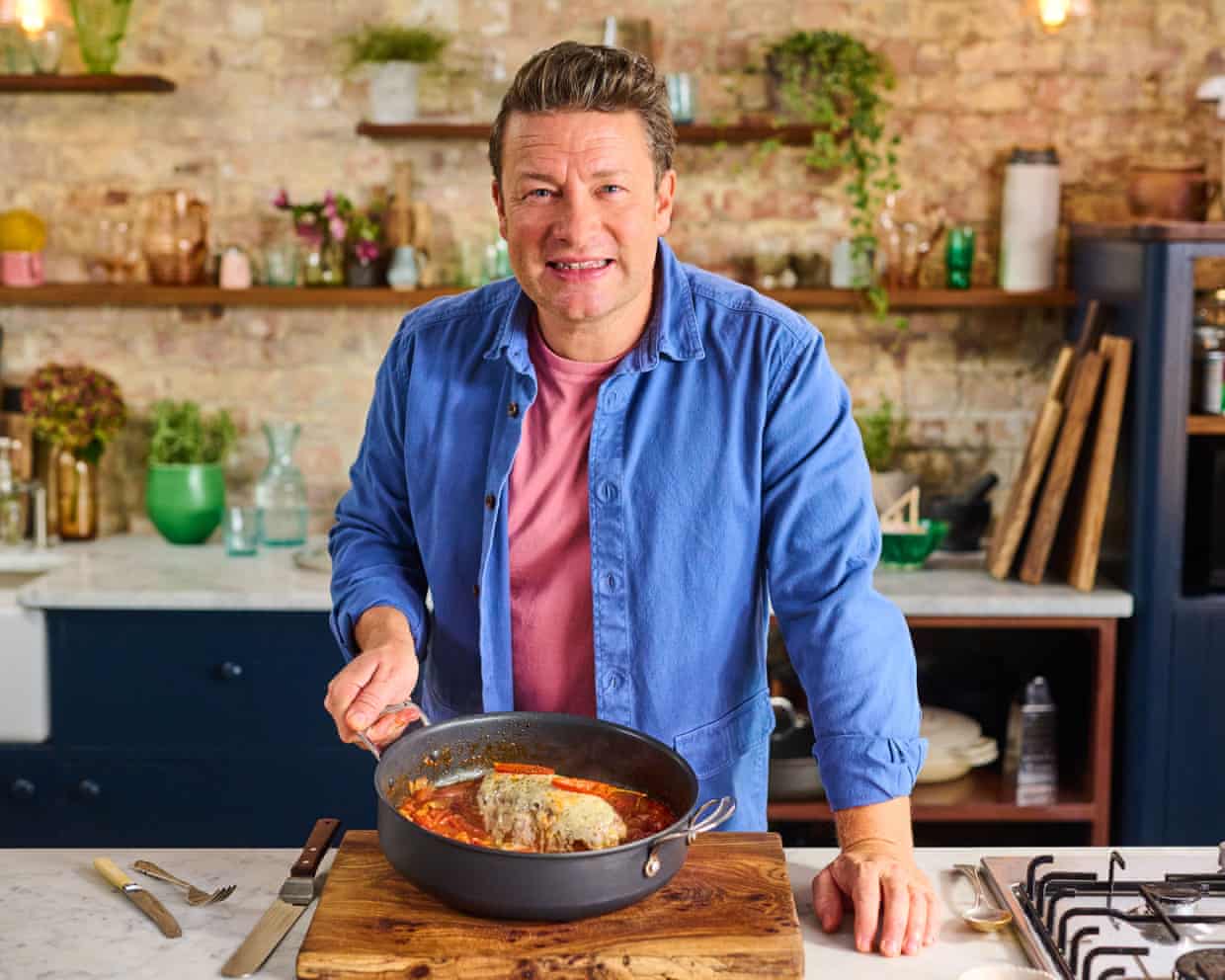
Jamie Oliver to relaunch Italian restaurant chain in UK six years after collapse
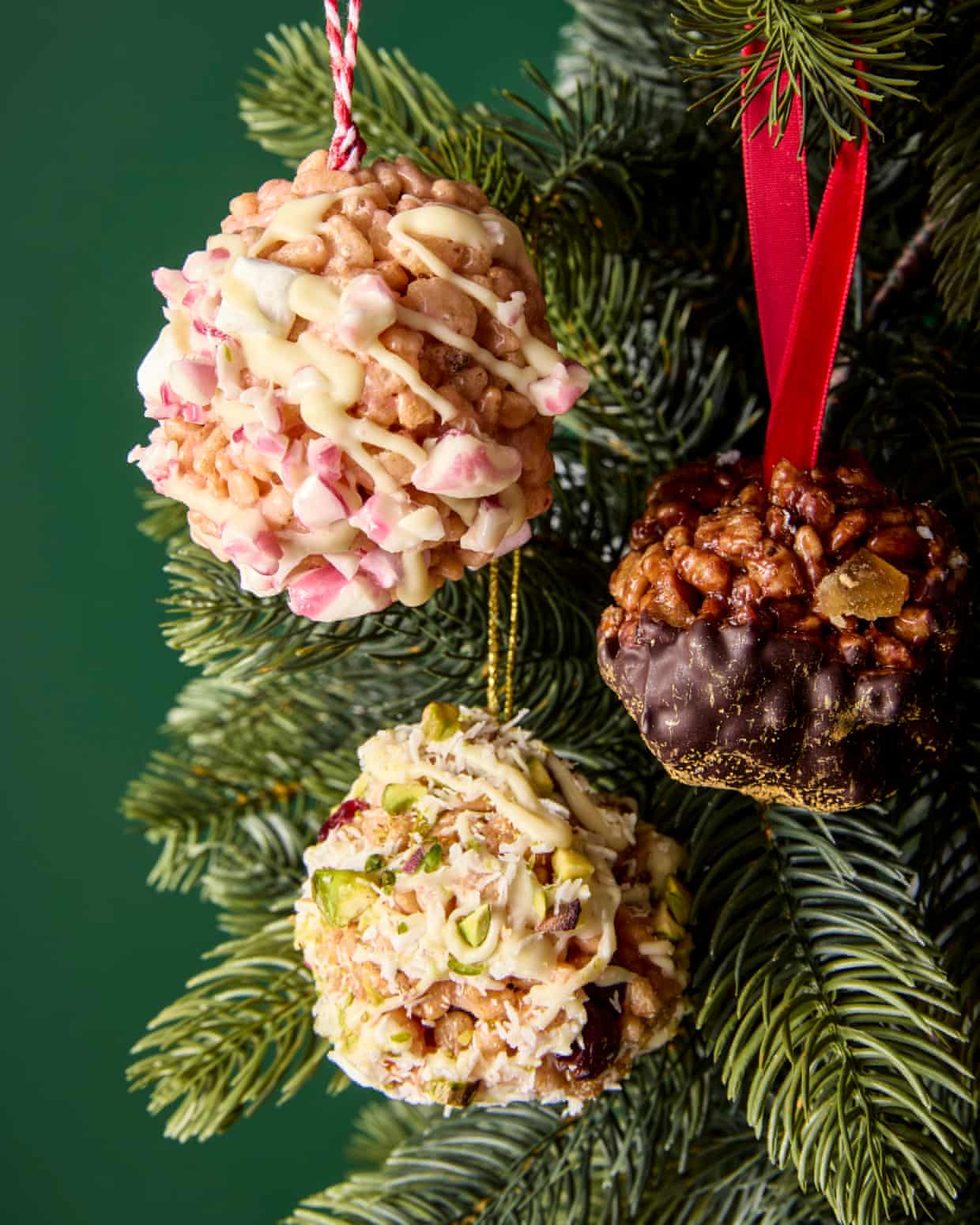
Helen Goh’s recipe for edible Christmas baubles | The sweet spot
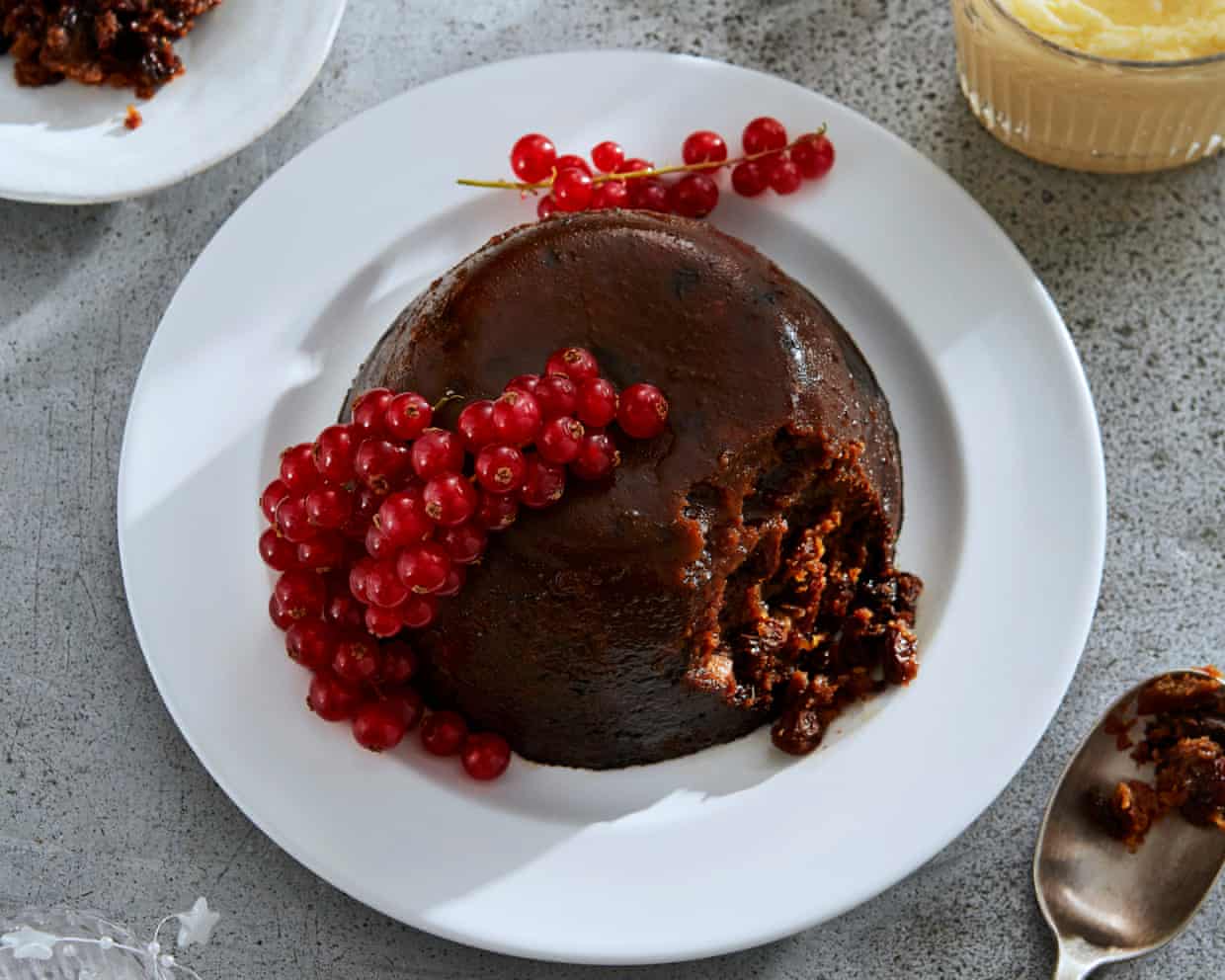
A gentle trade in edible gifts binds communities together
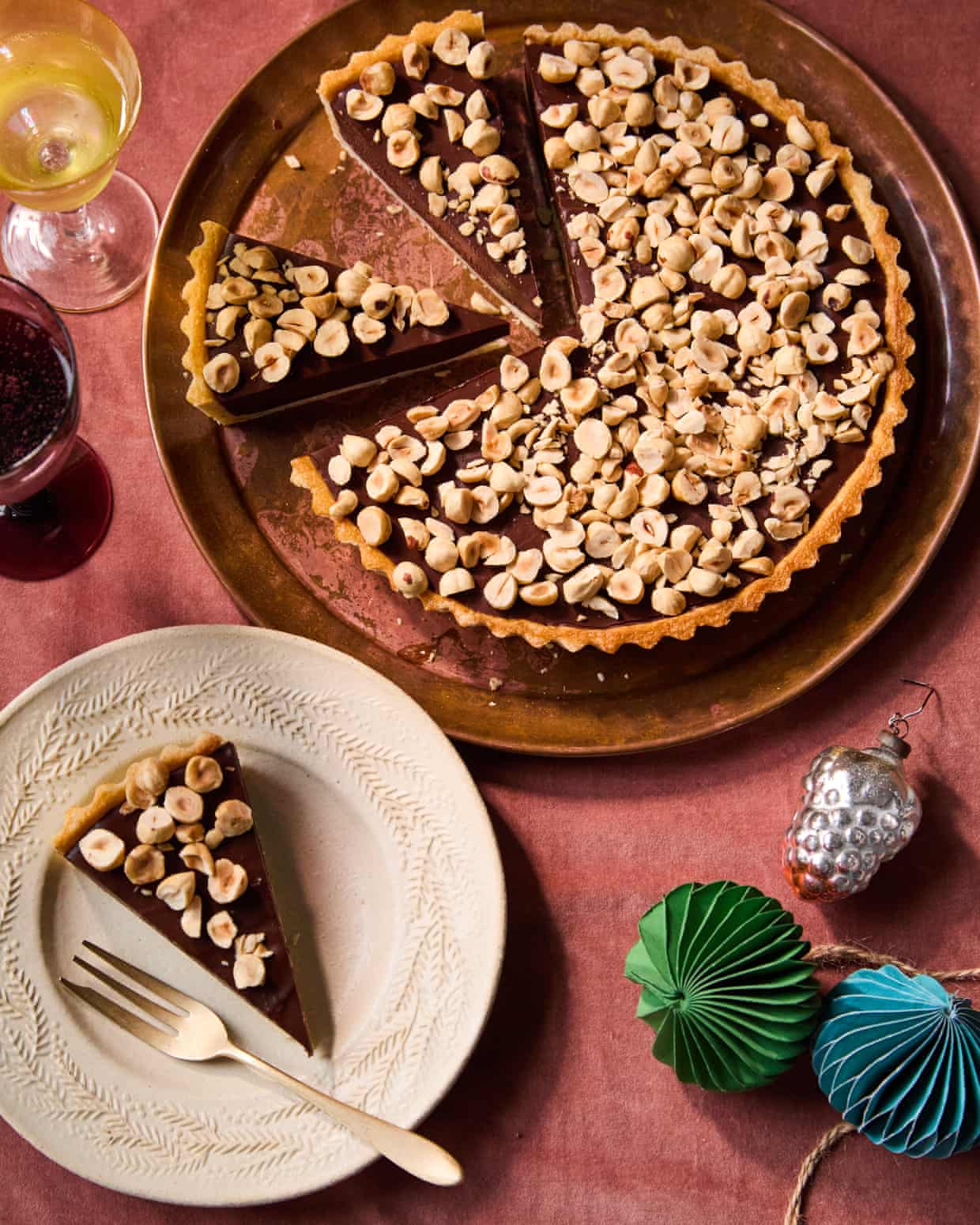
Chocolate tart and zabaglione: Angela Hartnett’s easy make-ahead Christmas desserts – recipes

I called my recipe book Sabzi – vegetables. But the name was trademarked. And my legal ordeal began
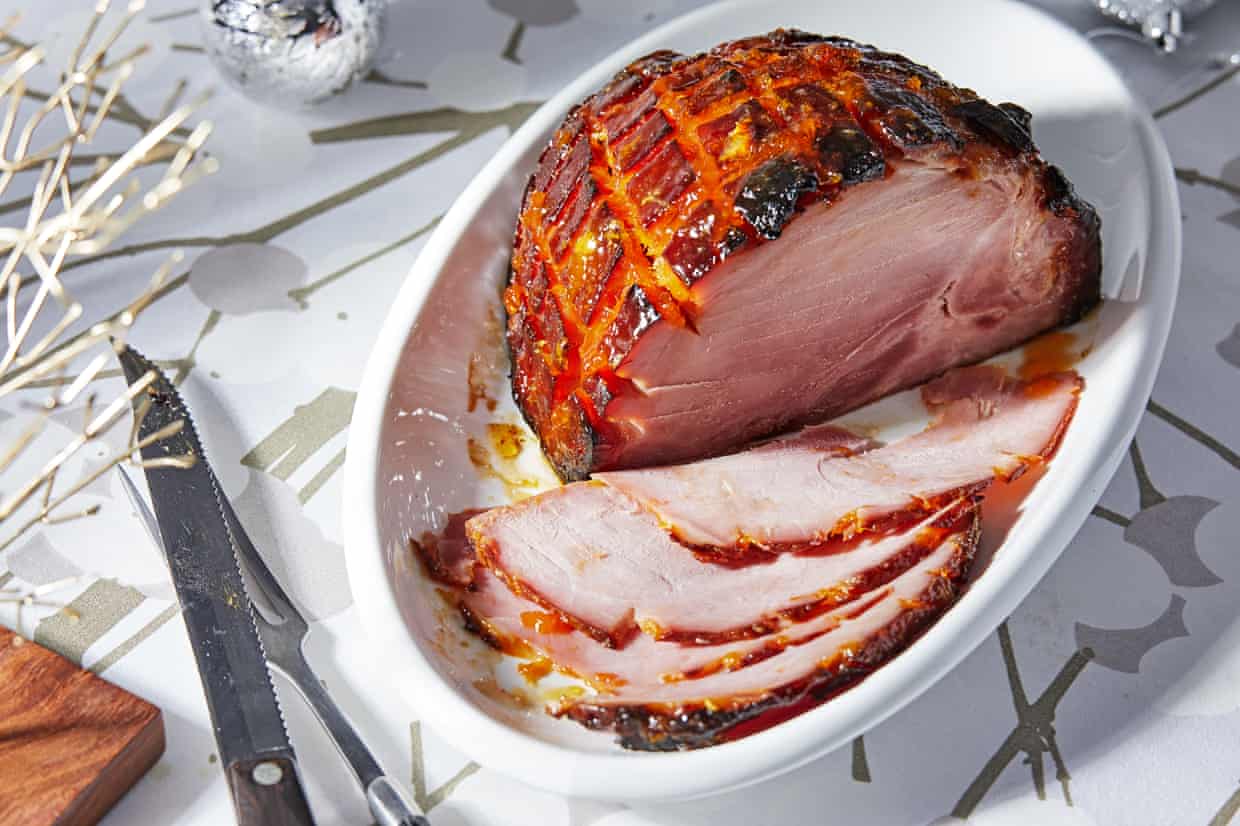
Choice taste test: the best Australian supermarket Christmas ham is also ‘one of the cheapest’