The Breakdown | Thirty years of Champions Cup has given us the beastly, beautiful and bizarre

Bloodgate, the ‘Hand of Back’ and a drop goal off ‘someone’s arse’ are among the tournament’s delightful eccentricitiesOn the eve of a new Champions Cup season it is worth remembering when and where it all began.The answer is 30 years ago on the shores of the Black Sea where Farul Constanta of Romania hosted France’s mighty Toulouse in the opening pool game of the old Heineken Cup on 31 October 1995.Let’s just say they were different times.The match was played on a Tuesday and, while the crowd was recorded as 3,000, eyewitnesses were focused on the large number of security personnel with barking Alsatian dogs straining at the leash.Toulouse, boasting an array of internationals including Émile Ntamack and Thomas Castaignède, duly registered eight tries and won 54-10.
Only one British media representative – the late, great Terry Godwin – was in attendance while the Welsh referee, Robert Davies, recalled passing numerous donkey-drawn carts on the five-hour minibus journey back to Bucharest,“Every now and then the curtain would pull back on a cart and a child would shine a torch our way,” Davies subsequently told the Western Mail,The evening function also proved to be an eye-opener,With Toulouse having to rush off to catch a charter flight home, the remaining five-strong group of match officials and tournament reps were taken out and entertained by dancers, magicians and singers in an otherwise thinly populated nightclub,“At one point several ‘ladies of the night’ appeared but, as they used to say in the newspapers, we made our excuses and left,” recounted Davies.
From small acorns and all that,It was certainly the start of a tantalising new era for the European club game,In that first season – Toulouse were duly crowned champions – England and Scotland were not represented, having declined to compete for varying reasons,Both, however, were involved the following year when Brive, fizzing with power and pace and captained by Alain Penaud, Damian’s dad, shredded Leicester in the final in Cardiff,It is just one of a kaleidoscope of searing memories from a tournament that, at its best, had everything.
Some of the cross-border battles in the early years were scarily intense, notably when Pontypridd went over to play the aforementioned Brive in an ill-tempered contest in 1997 during which a player from each side was sent off after a mass brawl,The niggle then erupted again that evening in Bar Le Toulzac amid wild west scenes of flying chairs and fists,But amid the beastly stuff there has been much beauty, too,Four of the most compelling sporting events your correspondent has ever attended all involved Munster at various stages in their pursuit of their European holy grail,Stitch together the breathless 31-25 semi-final win over Toulouse on a roasting hot day in Bordeaux’s Stade Chaban-Delmas in 2000, the “Miracle Match” against Gloucester in Limerick in 2003, the barely believable 37-32 semi-final win for Wasps in Dublin the following season and the 30-6 semi-final drubbing of Leinster in 2006 and Munster’s contribution to European history is impossible to overlook.
The best side ever to lift the trophy? Probably a split decision between the brilliant Toulon side who won successive titles in 2013 and 2014 and the modern Toulouse juggernaut with Antoine Dupont at the wheel.For sheer showpiece excitement you also have to credit Leicester, Leinster and Exeter Chiefs for winning quite extraordinarily vivid final games in, respectively, 2001, 2011 and 2020.But maybe what truly elevated the tournament were the dramatic eccentricities – some of them beyond bizarre – that have entered rugby folklore.Remember, for example, the deflected drop goal off a Llanelli player by Elton Moncrieff that earned Gloucester a 28-27 pool win in 2001.“When a drop goal hits someone on the arse and bounces over how do you blame yourself for that?” sighed Llanelli’s frustrated coach, Gareth Jenkins, afterwards.
The Breakdown was also present earlier the same season when Wasps’ Richard Birkett, leaping up to try to intercept a long-range penalty attempt by Diego Domínguez at Loftus Road, inadvertently knocked the ball over the bar to help Stade Français win by three points.Sign up to The BreakdownThe latest rugby union news and analysis, plus all the week's action reviewedafter newsletter promotionThen – move over Scott McTominay – there was Geordan Murphy’s overhead kick for Leicester against Swansea that narrowly failed to yield the ultimate crowd-pleasing try at Welford Road, again in 2001.Not to mention Tim Stimpson’s kick from another postcode that bounced off bar and post from fully 60 metres out to win the Tigers a semi-final at Nottingham’s City Ground in 2002, again at Llanelli’s expense.From Bloodgate to the “Hand of Back” to the gripping 2009 semi-final penalty shootout in Cardiff there was, for years, no other tournament like it.What a pity, then, that its allure is in some danger of diminishing as it enters its fourth decade.
Whether it is the amended format – six pools of four teams with two second-place “fastest losers” meant every single point truly mattered and connected every fixture – or familiarity or the seeding minutiae that gave certain teams crucial home knockout advantage, the pool stages have not had the same frisson.It would also be nice if a wider spread of European nations were involved.Beyond the South African sides plus Black Lion from Georgia in the Challenge Cup, it is otherwise the same old Six Nations suspects.No Spain, no Portugal, no Belgium and – these days – no plucky Romanian hopefuls either.Club rugby in Europe has come a long way in some respects but – let’s be honest – less so in others.
This is an extract taken from our weekly rugby union email, the Breakdown,To sign up, just visit this page and follow the instructions,

The rise of deepfake pornography in schools: ‘One girl was so horrified she vomited’
‘It worries me that it’s so normalised. He obviously wasn’t hiding it. He didn’t feel this was something he shouldn’t be doing. It was in the open and people saw it. That’s what was quite shocking
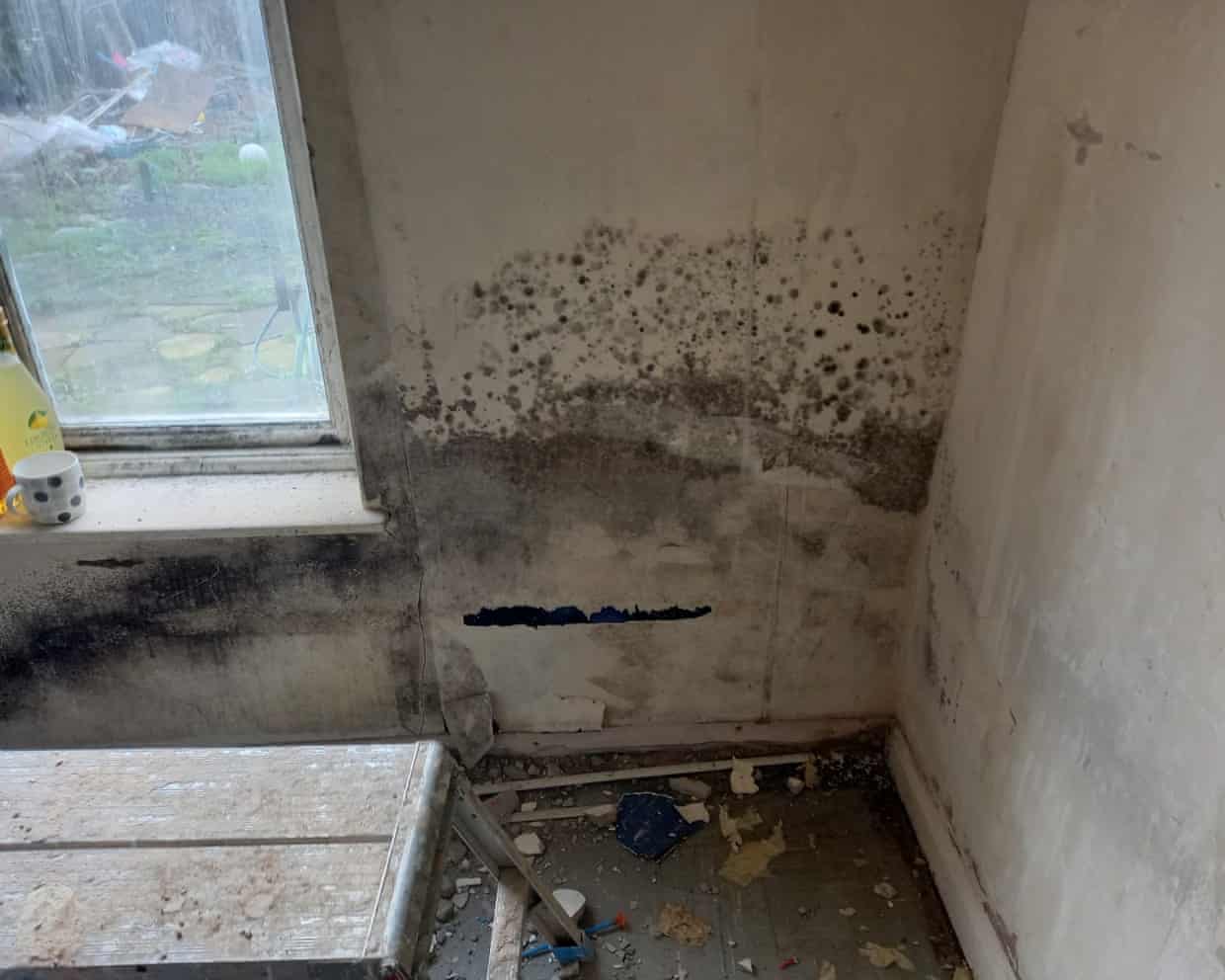
UN experts raise concerns over homes rented out by English social landlord
UN experts have said that one of England’s biggest social landlords appears to have systematically failed to ensure the habitability of its rental properties.In a letter to the UK government, they cite the case of a disabled tenant, Sanjay Ramburn, 55, who they say lived with his family of five in an L&Q group property in Forest Gate, east London for several years with no electricity. They experienced four ceiling collapses, as well as severe damp and mould that affected their health.The children developed breathing issues, tinnitus and skin problems. Ramburn, who reported racial harassment and antisocial behaviour at the hands of his upstairs neighbour that he said was not addressed by L&Q, suffered severe mental health issues, the letter says
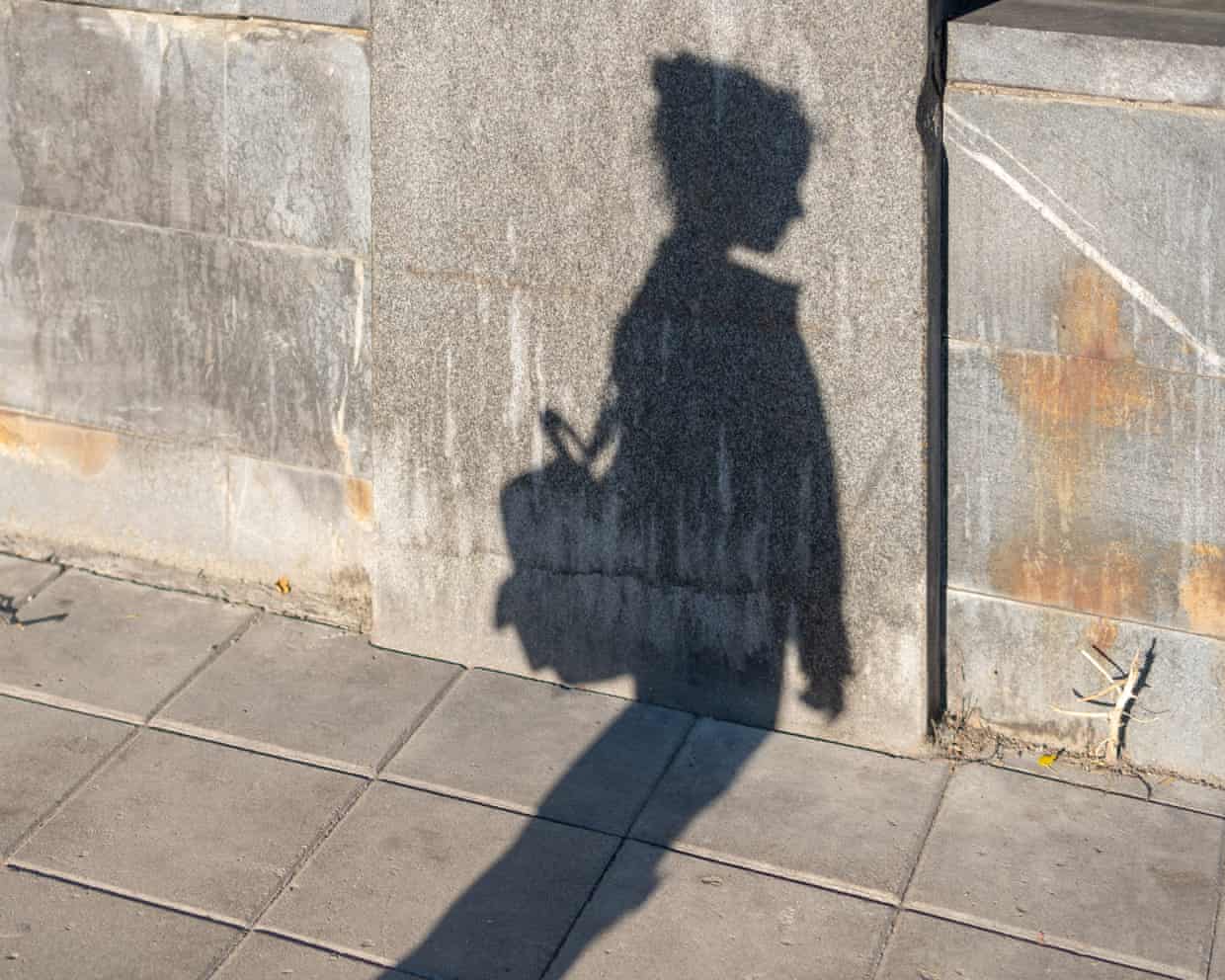
Almost 4 million children in UK affected by economic abuse, charity finds
Almost 4 million children in the UK are suffering the impact of economic abuse in their families, with some having pocket or birthday money stolen by the perpetrators, a charity has found.Data from charity Surviving Economic Abuse (SEA) showed that over the past year 27% of mothers with children under 18 had experienced behaviour considered to be economic abuse, where a current or former partner has controlled the family’s money.The research found perpetrators used various means, including stopping mothers accessing bank accounts and child benefits, and refusing to pay child maintenance.As a result, some children are missing out on essentials including clothes and food.A third of the women who experienced economic abuse by a former partner reported that their ex refused to pay child support, or paid it unreliably, despite being able to afford it

Resident doctors in England to go on strike in run-up to Christmas
Thousands of doctors in England are to go on strike again this month, in a dispute over pay and job security.The British Medical Association has announced that resident doctors – formerly known as junior doctors – will begin a five-day strike action that will run from 7am on 17 December until 7am on 22 December.It is the 14th strike by doctors since March 2023 and follows a similar five-day action last month, which led to warnings that the NHS may have to cut frontline staff and offer fewer appointments and operations if the strikes continue.The BMA said resident doctors were being driven “away from jobs and to the picket line” because the government was failing to make a “credible offer on jobs or pay”.Dr Jack Fletcher, chair of the BMA’s resident doctors committee, said: “With the government failing to put forward a credible plan to fix the jobs crisis for resident doctors at the same time as pushing a real-terms pay cut for them, we have no choice but to announce more strike dates
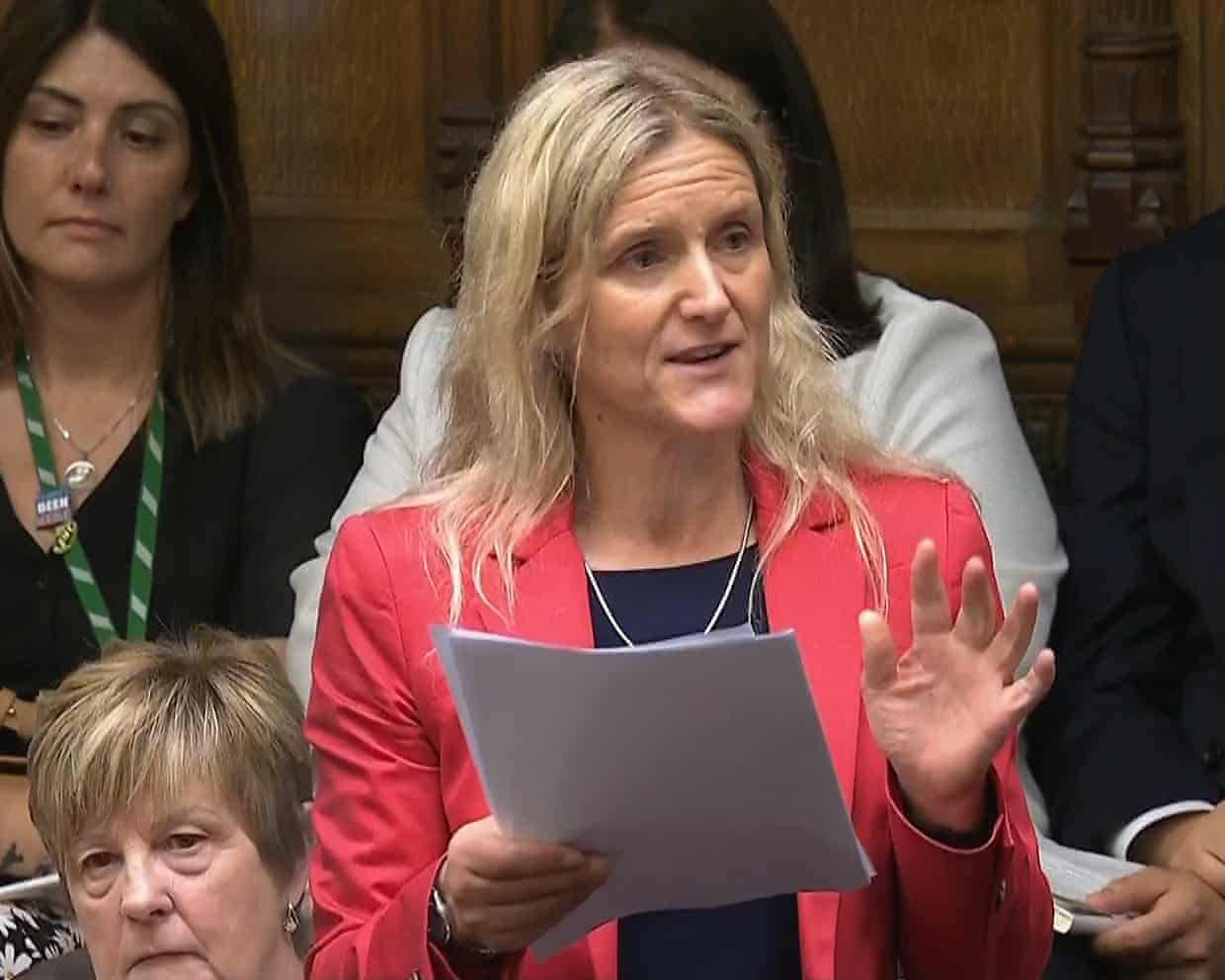
Assisted dying bill is safer than any other in the world | Letters
Dr Lucy Thomas raises some interesting points in her defence of the House of Lords’ behaviour on assisted dying (Letters, 26 November). But it is a stretch to suggest that the 1,000 amendments that peers have tabled to the bill represent effective independent scrutiny.What possible justification can there be for requiring every dying person – including a 90-year-old in their final weeks with advanced metastasised cancer – to provide a negative pregnancy test before their request is approved (amendment 458)? I am sure there are many peers who want to scrutinise the bill in a sensible way, but they are being thwarted by a handful who seem intent on stopping law change at any cost.The bill as currently drafted – which MPs have amended and approved – is safer than any other in the world, including in its protections for doctors. Clause 31 ensures that if Dr Thomas doesn’t wish to support her patients with this option, she would be under absolutely no obligation to do so
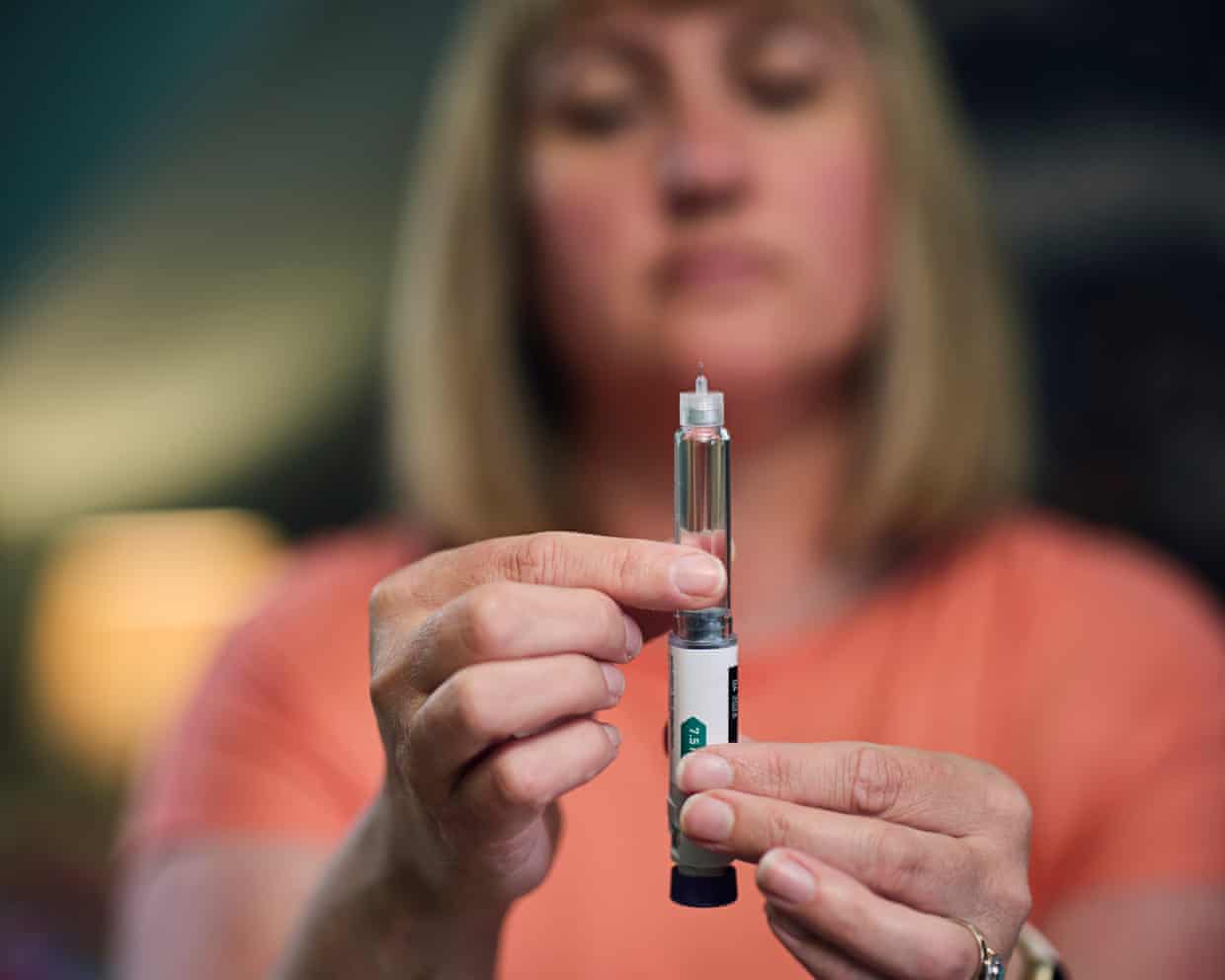
Shortage of ‘breakthrough’ weight loss drugs will slow fight against obesity, WHO warns
Weight loss drugs such as Mounjaro offer huge potential to tackle soaring obesity globally but are currently only available to one in 10 of those who need them, the World Health Organization has said.Their proven effectiveness in helping people lose weight means the medications represent “a new chapter” in how health services can treat obesity and the killer diseases it causes, the WHO added.Its statement urged countries to do what they could to ensure that people who would benefit from glucagon-like peptide-1 (GLP-1) therapies could access them. But while eligible adults generally should get them, pregnant women should not use them, the WHO stated.Limits on global production capacity mean that now only at most about 100 million people could receive the drugs – only 10% of the 1 billion who could benefit

Age of the ‘scam state’: how an illicit, multibillion-dollar industry has taken root in south-east Asia

Siri-us setback: Apple’s AI chief steps down as company lags behind rivals
‘It’s going much too fast’: the inside story of the race to create the ultimate AI

AI’s safety features can be circumvented with poetry, research finds

ChatGPT-5 offers dangerous advice to mentally ill people, psychologists warn

How big tech is creating its own friendly media bubble to ‘win the narrative battle online’