Warning system to spot poor care at NHS England maternity wards
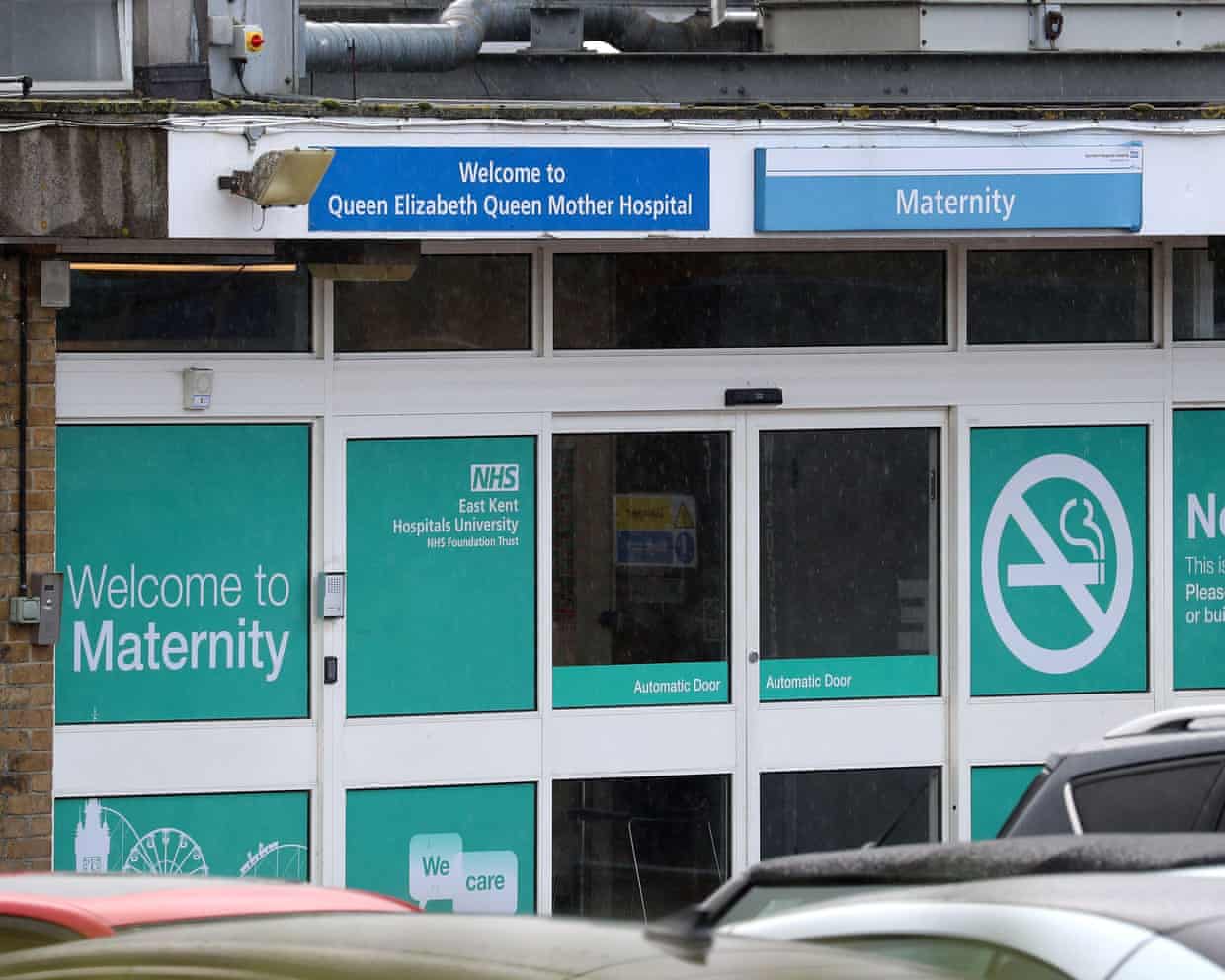
A new warning system designed to stop babies and mothers suffering preventable deaths or injuries is being rolled out by NHS England.The first-of-its-kind safety system will constantly track how many babies and mothers die and are seriously harmed at every NHS maternity ward in England.This data will be compared in real time with statistics gathered at other NHS hospital trusts across the country so the system can ascertain the likelihood that these outcomes were due to poor care at that particular ward rather than chance.When there is a high (95%) level of statistical confidence that deaths or serious injuries, such as brain damage to a newborn baby during childbirth, have started occurring at least twice as frequently as would normally be expected on a ward that size, the system will alert the ward’s leadership team to carry out critical safety checks within eight working days.Alerts with very high statistical confidence (99%) will require urgent attention.
Ward managers will be required to review all the care received by the mothers and babies who died or were seriously injured,The actions that the NHS ward staff take in response to these checks will need to be signed off by the trust’s board executive, including its chief nurse, chief medical officer and executive safety champion, and shared with regional and national NHS teams,Recent inquiries have found hundreds of women and babies have died or were injured during childbirth due to substandard care at certain NHS maternity units,East Kent, Shrewsbury & Telford, Leeds and Nottingham NHS trusts have all been rocked by scandals in recent years after reports emerged of appalling failings in their maternity care,NHS England said retrospective analysis shows the new system, named the Maternity Outcomes Signal System (Moss), would have detected signals of poor care at maternity units that later experienced what it described as “serious incidents”, including East Kent, Shrewsbury & Telford, Leeds and Nottingham.
The health and social care secretary, Wes Streeting, said Moss was “a sophisticated early warning system that will sound the alarm when patterns emerge that need urgent attention”.He said: “For too long, maternity warning signs have been missed.Now, this is a key step we are taking to improve maternity care.”The system was developed by NHS England in collaboration with Dr Bill Kirkup, who wrote a scathing report in 2022 on the substandard maternity and neonatal services at East Kent hospital trust after a three-year investigation, and Prof Sir David Spiegelhalter, the renowned statistician who identified that monitoring GP death rates could have detected the murders of the GP Harold Shipman.Kirkup said: “This is a really positive development that originated directly from the investigation into East Kent maternity services.
The families there who did so much to bring this to light deserve great credit for the improvements it will bring.”Moss was initially tested at Cambridge University hospitals NHS foundation trust and is already in use at 48 maternity units across England.From today, Moss will also be rolled out to the other 71 maternity units run by the NHS in England to ensure all maternity services in the country are being monitored by the system 24/7.Streeting added: “We are making sure failures of the past cannot be repeated, and that every mother and baby receives the safe care they deserve.”
Local authorities in England and Wales warn finances at ‘breaking point’
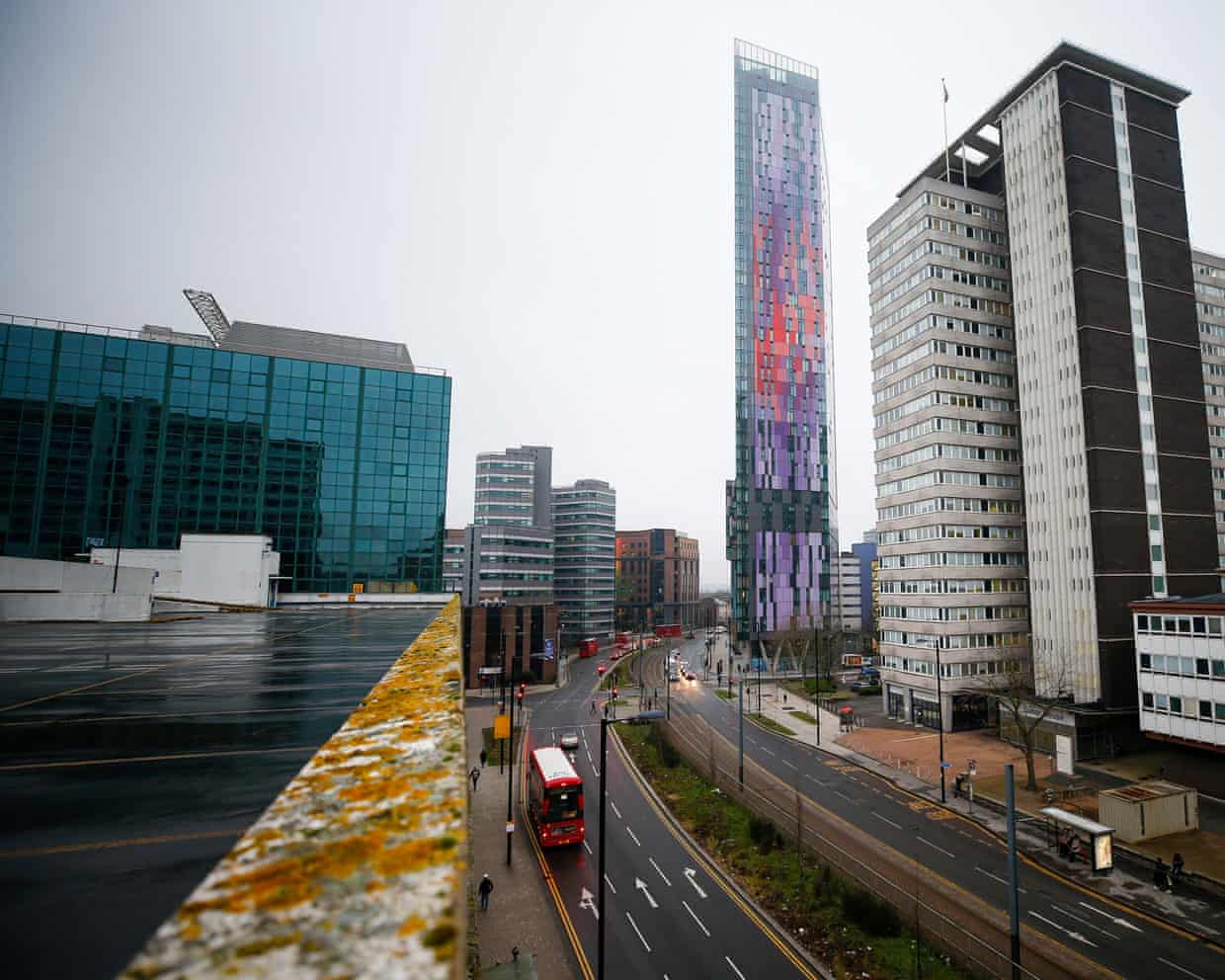
Local authorities in England and Wales have warned their finances are at “breaking point” with more councils expected to fall into bankruptcy in future, as they face a nervous wait to discover their government funding this month.Council leaders expect changes to annual funding arrangements will result in steep cuts for many local authorities, preventing many from balancing their books and providing basic services to citizens.Amid a crisis in local authority funding, 29 councils have already been unable to meet their financial obligations without special government loans, including Croydon, Thurrock in Essex and Birmingham.Norfolk county council’s deputy leader for finance, Andrew Jamieson, said the number of local authorities unable to meet their statutory obligations was likely to grow when the government publishes a new funding settlement this month.“We are often accused of crying wolf, but local authorities are reaching breaking point now,” he said
Rules on single-sex spaces pose risk to trans people’s mental health, UK charities say
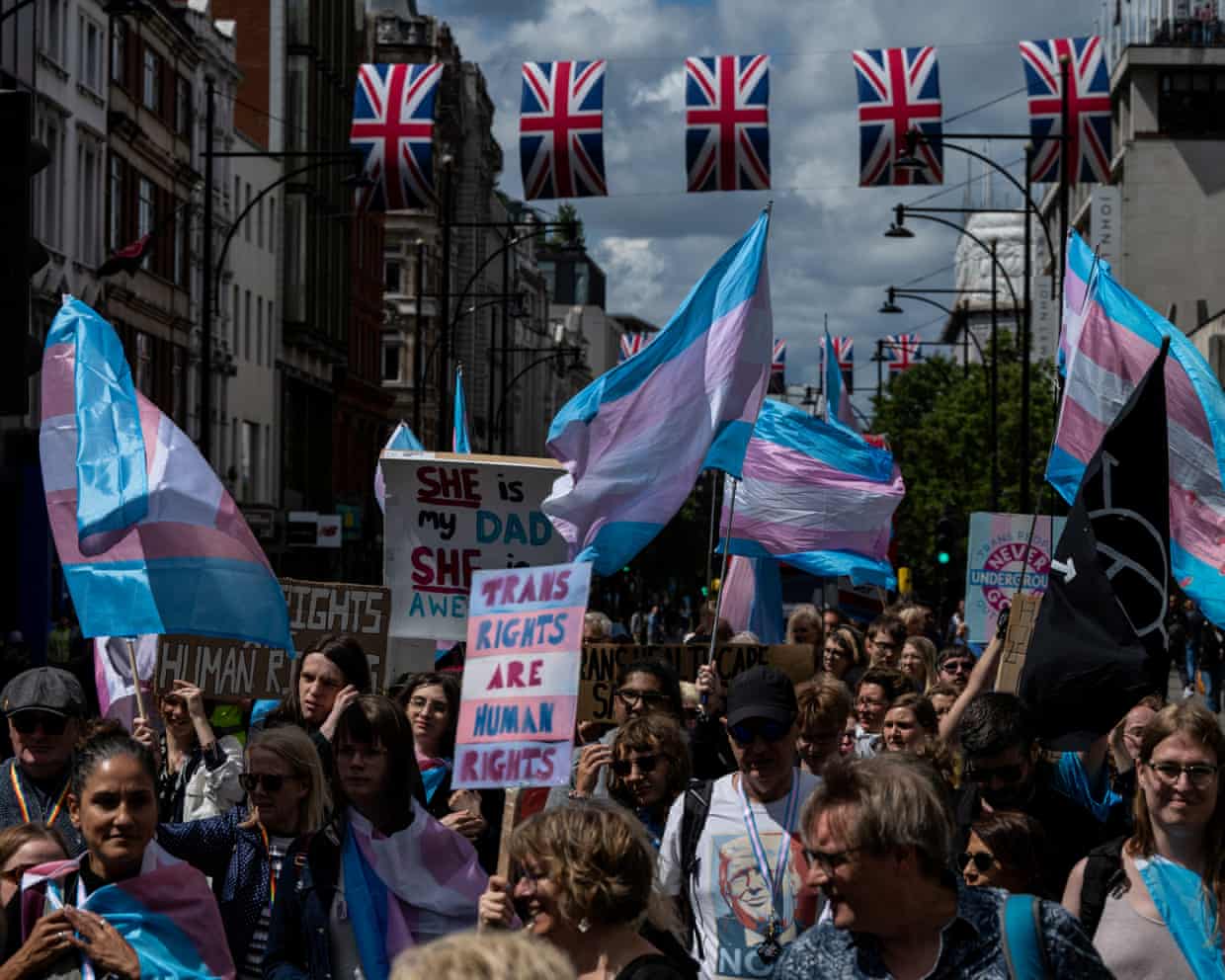
New rules on access to single-sex spaces could pose a significant risk to the mental health of trans and non-binary people, according to 15 of the UK’s most respected mental charities.Organisations including Samaritans, Mind, Centre for Mental Health and the Royal College of Psychiatrists have written to the equalities minister, Bridget Phillipson, to express their “deep concern” about guidance from the Equality and Human Rights Commission (EHRC) that is awaiting approval from the government.The letter says the guidance could “deepen existing inequalities and pose significant risk to the mental health of trans and non-binary people across UK”.It says: “Mental health services should be places of refuge, not risk, and equality protections must strengthen, not erode, the conditions that enable people to feel safe and supported.”The EHRC is waiting for ministers to approve its official guidance on how public bodies, businesses and other service providers should respond to the supreme court’s ruling in April that the legal definition of a woman is based on biological sex
Warning system to spot poor care at NHS England maternity wards
A new warning system designed to stop babies and mothers suffering preventable deaths or injuries is being rolled out by NHS England.The first-of-its-kind safety system will constantly track how many babies and mothers die and are seriously harmed at every NHS maternity ward in England.This data will be compared in real time with statistics gathered at other NHS hospital trusts across the country so the system can ascertain the likelihood that these outcomes were due to poor care at that particular ward rather than chance.When there is a high (95%) level of statistical confidence that deaths or serious injuries, such as brain damage to a newborn baby during childbirth, have started occurring at least twice as frequently as would normally be expected on a ward that size, the system will alert the ward’s leadership team to carry out critical safety checks within eight working days.Alerts with very high statistical confidence (99%) will require urgent attention

Thousands of patients in England at risk as GP referrals vanish into NHS ‘black hole’
One in seven people in England who need hospital care are not receiving it because their GP referral is lost, rejected or delayed, the NHS’s patient watchdog has found.Three-quarters (75%) of those trapped in this “referrals black hole” suffer harm to their physical or mental health as a result of not being added to the waiting list for tests or treatment.Communication with patients is so unreliable that seven in 10 (70%) only discover they have not been put on a waiting list after chasing up the NHS because they have not been told a hold-up has occurred. In some cases referrals that GPs have agreed to make do not even get sent from their surgery to the hospital, Healthwatch England’s findings show.The research found that 14% of all referrals are getting “stuck” between GPs and hospitals, leaving patients in the dark and anxious about when they will be seen and treated

Spiteful or fair? Reeves’s mansion tax plan proves divisive | Letters
Jonathan Liew’s article (Won’t somebody please think of Britain’s poor £2m homeowners? Oh, wait – everyone already is, 2 November) entirely misses the point that underlies the spate of criticism against the “mansion tax”. While wealth disparity is no doubt an issue that needs to be addressed, this tax is a spiteful assault on hard-working taxpayers who already pay an enormous proportion of their salary to the Treasury to support a woefully mismanaged public sector and welfare state. Those who support the tax seem to be driven by a simple ideology that we need to “bash the rich” to create equality.In the real world, this tax penalises hard-working families who have made difficult choices and made huge sacrifices to get to where they are. I come from a working-class background, I worked hard at school and achieved good grades, I worked part-time jobs, paid my own way through university and chose a profession that pays well, relocating to London and making sacrifices to earn good money – spending 18 hours a day in the office – and I chose to buy property and invest in it

Senior DWP civil servant blames victims for carer’s allowance scandal
One of the most senior civil servants in the Department for Work and Pensions (DWP) has placed the blame for the carer’s allowance benefits crisis on victims, many of whom have been left with life-changing debts.In an internal blogpost written for Whitehall colleagues, Neil Couling, the director general of DWP services, said individual failings by carers were “at the heart” of the issue that has been likened to the Post Office Horizon scandal.The post, which was removed after the Guardian made inquiries about its content, has been met with an outcry by charities and politicians.An independent review into the scandal last month found that longstanding and “unacceptable” systemic DWP leadership problems and poor benefit design were at the root of the failure, which it said could not be blamed on carers.Some carers who fell foul of the benefit’s outdated and complex rules felt so shamed, distressed and desperate they contemplated suicide, the review found

Paramount Skydance makes $108.4bn bid for Warner Bros Discovery, challenging Netflix’s offer – as it happened

Bank of England cutting jobs as part of overhaul after critical Bernanke review

Divided Fed ponders US interest-rate cut at end of tumultuous year

Anglo American drops plan to pay bosses millions in bonuses after $50bn Teck merger backlash
‘We’ll never be able to rebuild’: despair of ex-Vodafone franchisees and pressures on their mental health

Extracting hangovers from beer: inside Budweiser owner’s ‘nolo’ brewery in south Wales