Ofgem approves early investment in three UK electricity ‘superhighways’
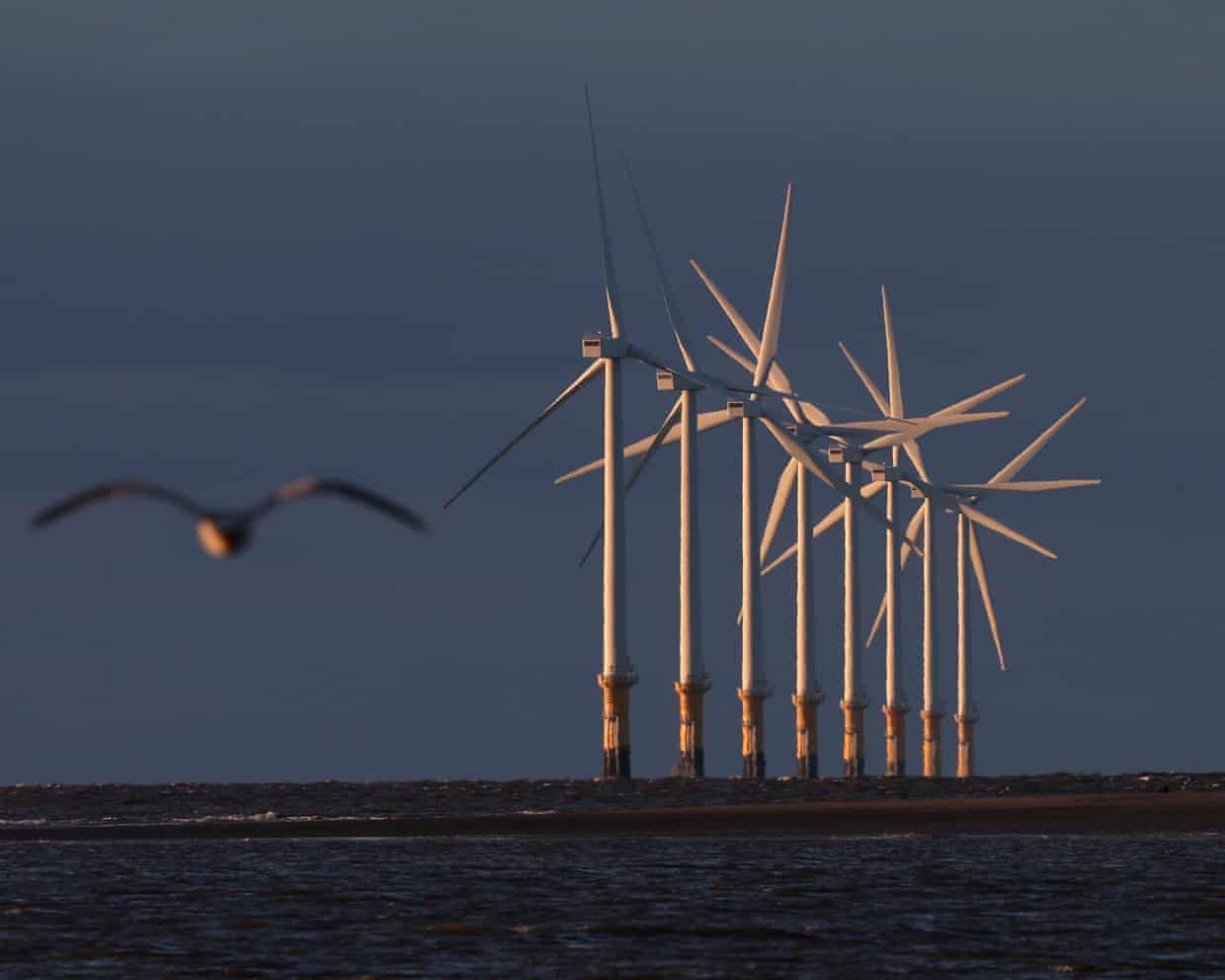
Three major UK electricity “superhighways” could move ahead sooner than expected to help limit the amount that households pay for windfarms to turn off during periods of high power generation.Current grid bottlenecks mean there is not enough capacity to transport the abundance of electricity generated in periods of strong winds to areas where energy demand is highest.The new high-voltage cable projects linking windfarms in Scotland and off the North Sea coast to densely populated areas in the south of the country could start operations by the early 2030s rather than towards the end of the decade, according to the sector regulator.This should help to cut the rising cost of paying windfarms to turn off when they generate more electricity than the grid can transport.Without better interconnection these payments, which consumers cover via their energy bills, are expected to reach more than £12bn a year by the end of the decade.
Under Ofgem’s plans, National Grid and SSE will be allowed to begin early investment on two Eastern Green Link subsea power cables to transport offshore windfarm electricity to the south by 2034.They will also be allowed earlier investment for the 75-mile (120km) GWNC electricity link between Grimsby in Lincolnshire and Walpole in Norfolk to help transport the energy to consumers from 2033.Ofgem says bringing forward the superhighway projects will mean consumers are between £3bn and £6bn better off compared with the later delivery date, in large part because it will reduce the almost £2bn paid each year to generators to cut their output when the grid is overloaded.Fast-tracking the projects is expected to bring forward higher costs on consumer energy bills to pay for the work, however, days after the regulator gave the green light for companies to spend £28bn on Great Britain’s gas and electricity grids.An Ofgem spokesperson was not able to say what the direct impact would be on energy bills, or when it would take effect.
The regulator’s decision is also expected to put the energy industry on a collision course with disgruntled local communities that have opposed the grid projects over concerns about the expected disruption of the building work and the long-term industrialisation of the countryside.Sign up to Business TodayGet set for the working day – we'll point you to all the business news and analysis you need every morningafter newsletter promotionOfgem’s director of major projects, Beatrice Filkin, said: “We’re neither handing [energy companies] blank cheques nor greenlighting the projects themselves, that is rightly for the relevant planning authorities to decide.Through intelligent use of early investment and setting realistic but ambitious timescales, we are helping shield consumers from unnecessary costs.”She said fast-tracking the projects would put them in a prime position to compete in the global race for the supply chains needed to upgrade grids as all major economies turn away from fossil fuels to power their economic growth.The European Commission is poised to unveil a €1.
2tn (£1.05tn) plan to upgrade the EU’s electricity grids later this week, according to Euronews, including eight key projects designed to strengthen the bloc’s energy security.The commission expects to spend about €730bn on distribution networks and €477bn on transmission grids, the report said, citing a leaked document.

‘I feel it’s a friend’: quarter of teenagers turn to AI chatbots for mental health support
It was after one friend was shot and another stabbed, both fatally, that Shan asked ChatGPT for help. She had tried conventional mental health services but “chat”, as she came to know her AI “friend”, felt safer, less intimidating and, crucially, more available when it came to handling the trauma from the deaths of her young friends.As she started consulting the AI model, the Tottenham teenager joined about 40% of 13- to 17-year-olds in England and Wales affected by youth violence who are turning to AI chatbots for mental health support, according to research among more than 11,000 young people.It found that both victims and perpetrators of violence were markedly more likely to be using AI for such support than other teenagers. The findings, from the Youth Endowment Fund, have sparked warnings from youth leaders that children at risk “need a human not a bot”

Social media use damages children’s ability to focus, say researchers
Increased use of social media by children damages their concentration levels and may be contributing to an increase in cases of attention deficit hyperactivity disorder, according to a study.The peer-reviewed report monitored the development of more than 8,300 US-based children from the age of 10 to 14 and linked social media use to “increased inattention symptoms”.Reseachers at the Karolinska Institute in Sweden and the Oregon Health & Science University in the US found that children spent an average of 2.3 hours a day watching television or online videos, 1.4 hours on social media and 1

‘It has to be genuine’: older influencers drive growth on social media
In 2022, Caroline Idiens was on holiday halfway up an Italian mountain when her brother called to tell her to check her Instagram account. “I said, ‘I haven’t got any wifi. And he said: ‘Every time you refresh, it’s adding 500 followers.’ So I had to try to get to the top of the hill with the phone to check for myself.”A personal trainer from Berkshire who began posting her fitness classes online at the start of lockdown in 2020, Idiens, 53, had already built a respectable following

Scores of UK parliamentarians join call to regulate most powerful AI systems
More than 100 UK parliamentarians are calling on the government to introduce binding regulations on the most powerful AI systems as concern grows that ministers are moving too slowly to create safeguards in the face of lobbying from the technology industry.A former AI minister and defence secretary are part of a cross-party group of Westminster MPs, peers and elected members of the Scottish, Welsh and Northern Irish legislatures demanding stricter controls on frontier systems, citing fears superintelligent AI “would compromise national and global security”.The push for tougher regulation is being coordinated by a nonprofit organisation called Control AI whose backers include the co-founder of Skype, Jaan Tallinn. It is calling on Keir Starmer to show independence from Donald Trump’s White House, which opposes the regulation of AI. One of the “godfathers” of the technology, Yoshua Bengio, recently said it was less regulated than a sandwich

A robot walks into a bar: can a Melbourne researcher get AI to do comedy?
Robots can make humans laugh – mostly when they fall over – but a new research project is looking at whether robots using AI could ever be genuinely funny.If you ask ChatGPT for a funny joke, it will serve you up something that belongs in a Christmas cracker: “Why don’t skeletons fight each other? Because they don’t have the guts.”The University of Melbourne’s Dr Robert Walton, a dean’s research fellow in the Faculty of Fine Arts and Music, is taking a different approach to working out whether robots can do comedy.Thanks to an Australian Research Council grant of about $500,000, he will train a swarm of robots in standup. And, at least in the beginning, they won’t use words

Artificial intelligence research has a slop problem, academics say: ‘It’s a mess’
A single person claims to have authored 113 academic papers on artificial intelligence this year, 89 of which will be presented this week at one of the world’s leading conferences on AI and machine learning, which has raised questions among computer scientists about the state of AI research.The author, Kevin Zhu, recently finished a bachelor’s degree in computer science at the University of California, Berkeley, and now runs Algoverse, an AI research and mentoring company for high schoolers – many of whom are his co-authors on the papers. Zhu himself graduated from high school in 2018.Papers he has put out in the past two years cover subjects such as using AI to locate nomadic pastoralists in sub-Saharan Africa, to evaluate skin lesions and to translate Indonesian dialects. On his LinkedIn, he touts publishing “100+ top conference papers in the past year”, which have been “cited by OpenAI, Microsoft, Google, Stanford, MIT, Oxford and more”

Reform campaign for Farage’s Clacton seat was a ‘juggernaut’, say candidates

Foreign states using AI videos to undermine support for Ukraine, says Yvette Cooper

Tony Blair reportedly dropped from Trump’s Gaza ‘board of peace’ shortlist
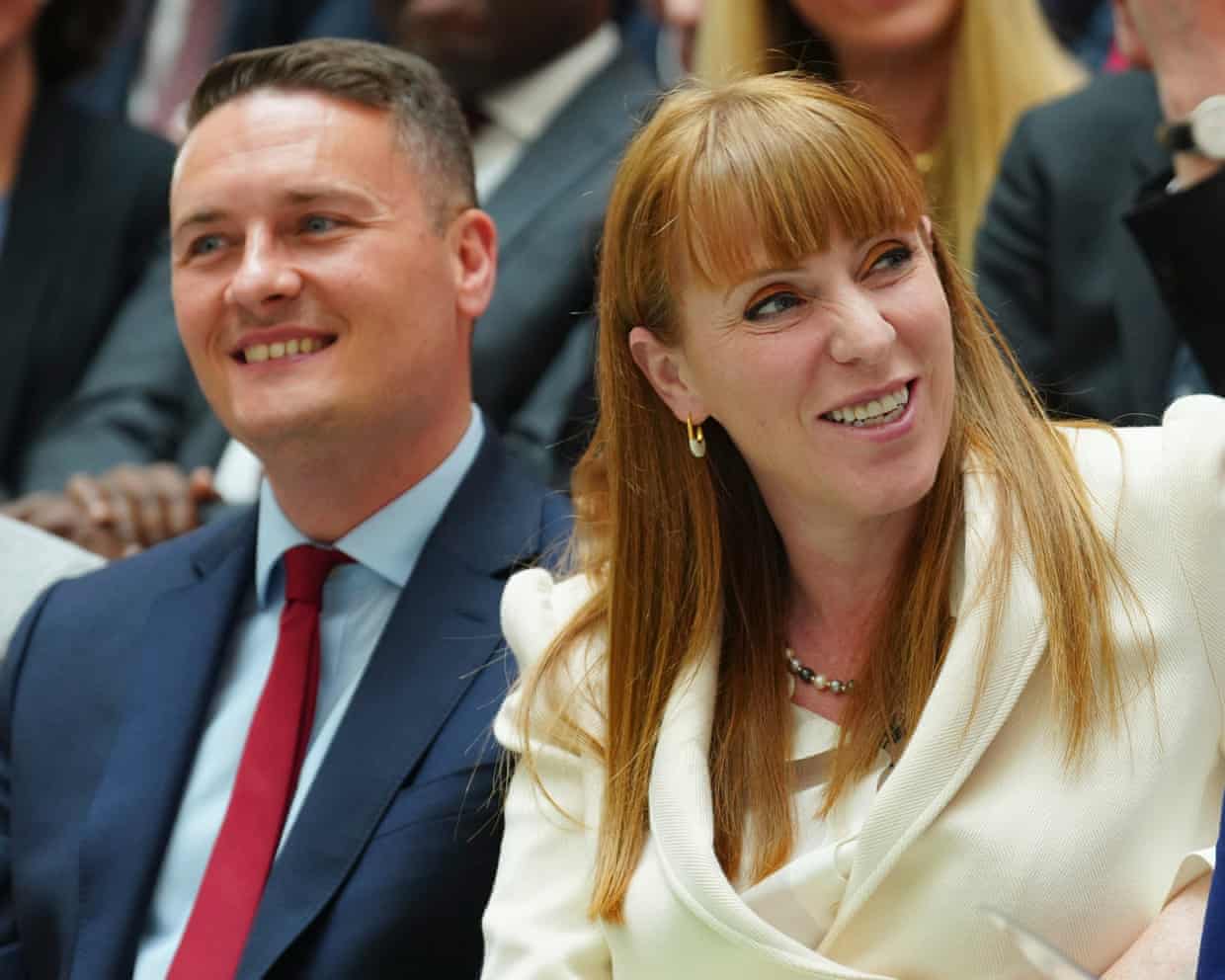
‘Could do a better job than Keir Starmer’: who could replace the PM if he is forced out?
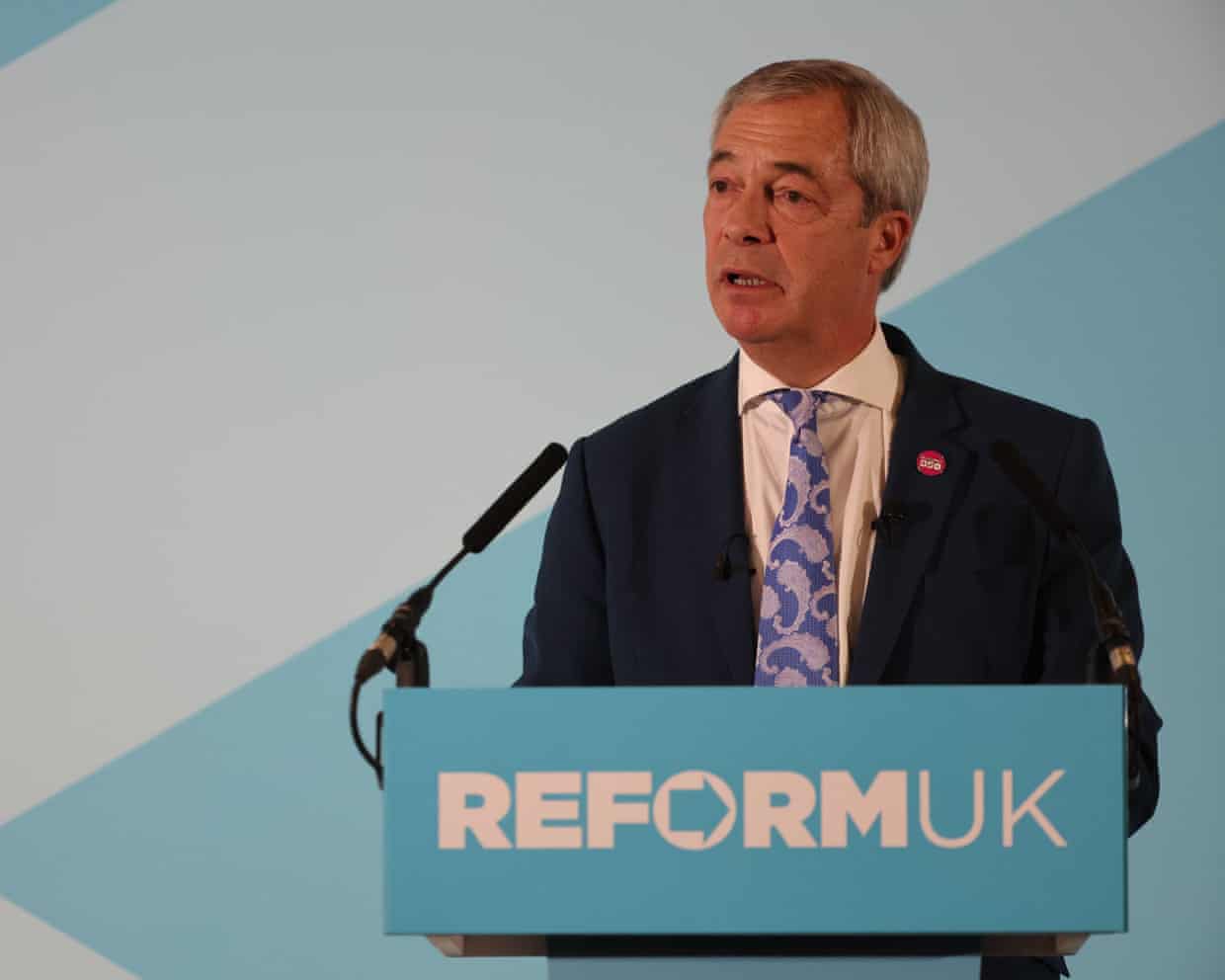
For once, Nigel Farage is the dog that doesn’t bark | John Crace
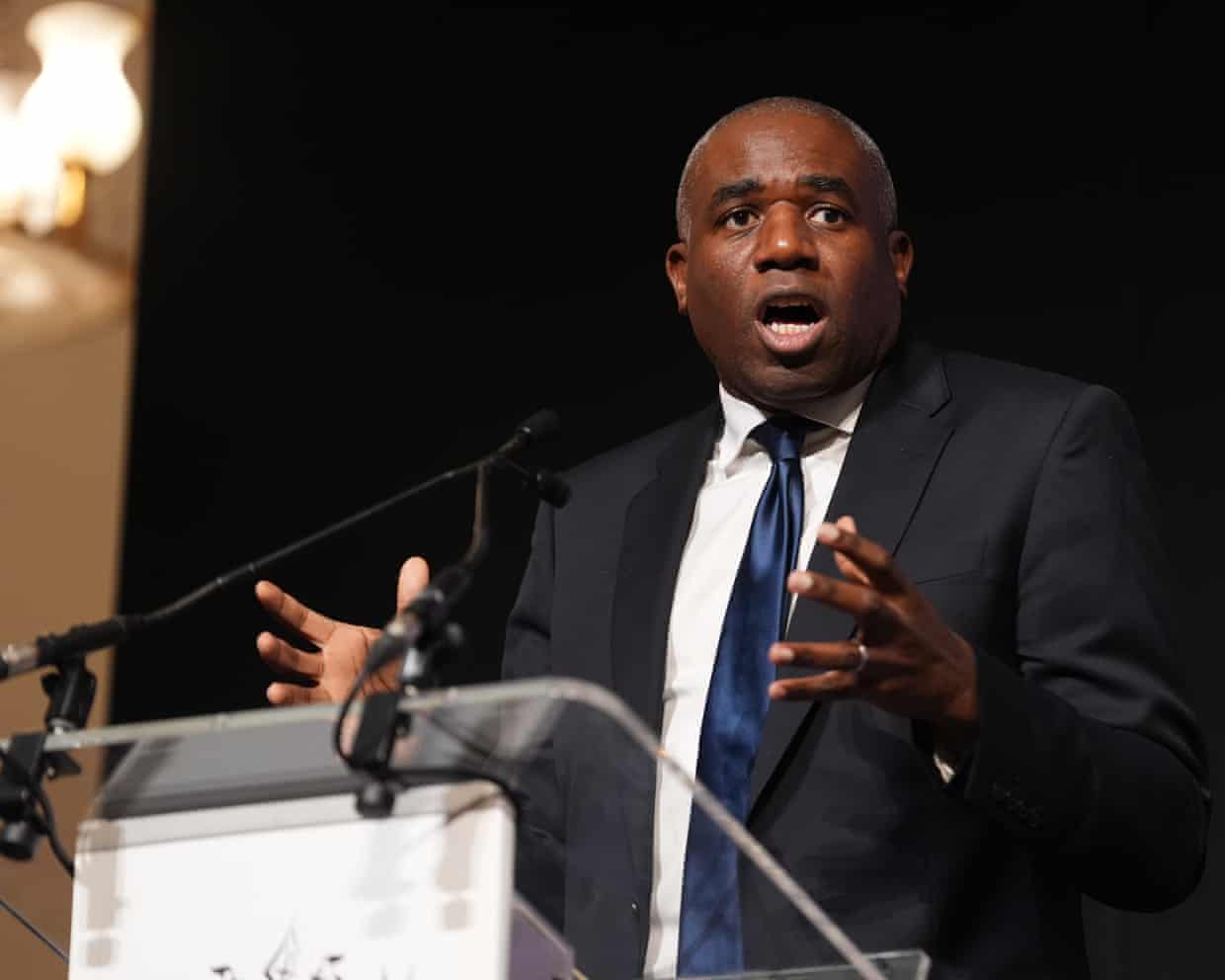
UK will go further to stop ‘abusive’ Slapps lawsuits, Lammy says