The K-shaped Christmas: wealthy few drive holiday spending splurge while many struggle to get by
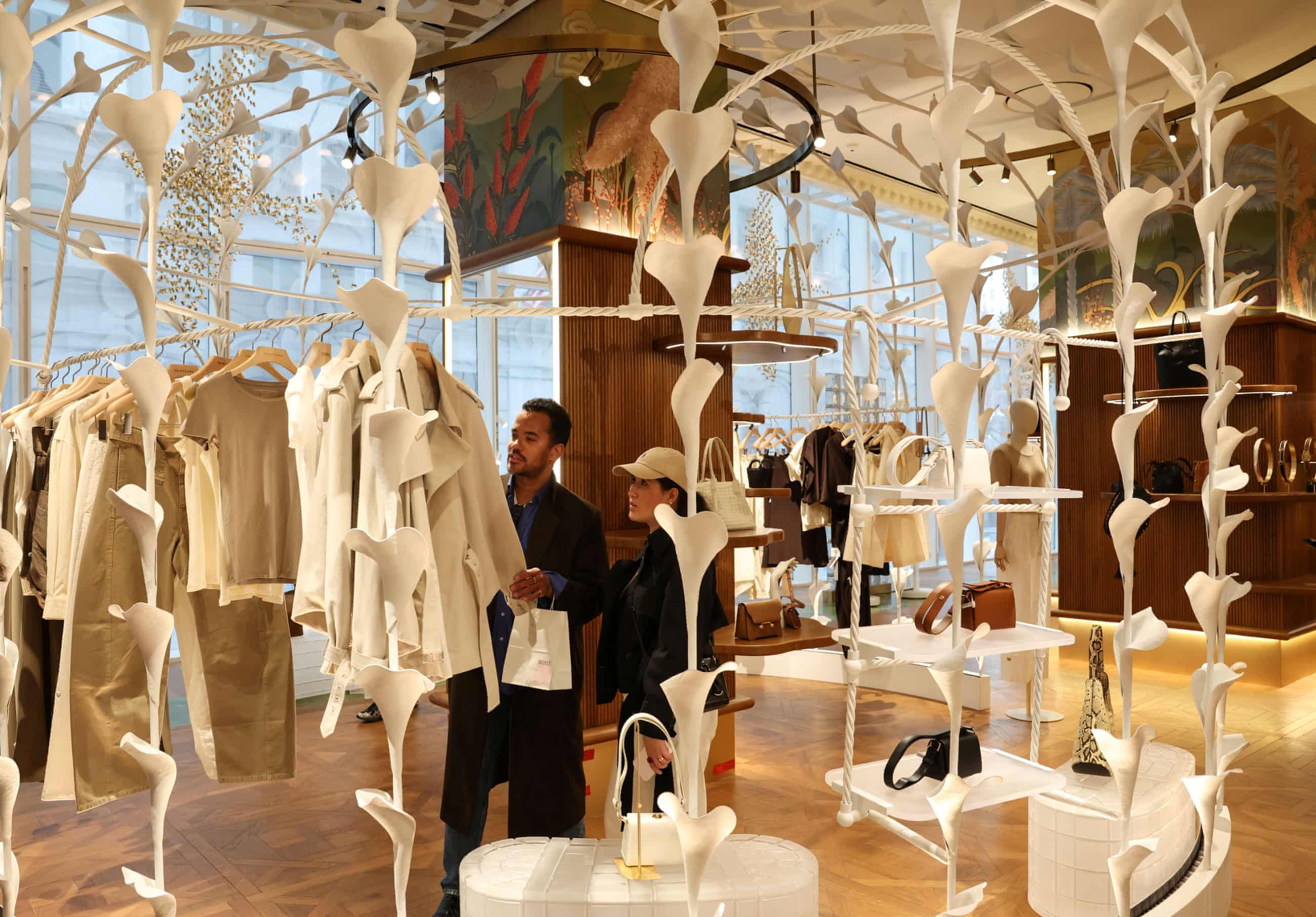
A soaring stock market rewards the already well-off but Trump’s handling of the economy has caused his approval ratings to plungeEntering Printemps in downtown New York City feels like an escape.A slight smell of musk hangs in the air as shoppers weave carefully around racks of coats and shelves of handbags and shoes.For the holidays, the store set up a small ice rink on its second floor where skaters perform on weekends.The French luxury retail emporium opened its first New York outlet earlier this year and has said it wants shoppers to feel so comfortable that it feels like their own chic “French apartment”.The store has a bar upstairs, along with a roving champagne cart, and encourages shoppers to sip on their drinks while they browse.
Plush carpeting in the dressing room, full of orange and reds, is reminiscent of a Wes Anderson movie set.Across the street at Trinity Church, hundreds of people line up for free food and other necessities.Dodge your way past the steaming potholes and snarling traffic and a doorman welcomes you to another world.The atmosphere is so heady that suddenly, when browsing through its racks, a $600 black fur coat seems entirely inexpensive, and the $1,450 leather tabi boots upstairs are an investment.On a recent weekday afternoon, fashionably dressed shoppers milled slowly around the store.
Some took pictures of the skating rink or of displays of housewares that instructed: “Please ask for assistance – do not touch.”Julien, who declined to give his last name, was visiting the store to pick up a gift for a Secret Santa exchange and said he wasn’t surprised by the prices.“For the brands they have, it’s normal,” he said.Kathy, another shopper, said that she offered to take her friend out to lunch at the restaurant located inside the store and see if she could find a certain brand of ballet flats.“This is the only place that carries them,” she said, holding two bright green Printemps bags.
For a small fraction of Americans, the Printemps fantasy of comfortable luxury is just a way of life.An $890 chapka hat is a sweet gift for a friend, dropping $200 on perfume that smells like freshly cut grass is normal.Around the corner from Printemps is the headquarters of the New York Stock Exchange, the ultimate symbol of American wealth and one of the main drivers of all this luxury spending.Over the last few years, many Americans have reported they’re struggling with higher grocery prices, rising healthcare costs and other bills, and have given up on dreams of buying homes.And yet the stock market has only gone up and up.
The S&P 500 has shot up nearly 86% over the last five years, hitting record highs, especially with the recent AI boom.A ballooning stock market has meant a small percentage of Americans have been striking gold.According to data from the Federal Reserve, Americans in the top 1% of wealth own nearly 50% of the stock market.The top 10% own 87.2% of the market.
The bottom 50% of all Americans own just 1.1% of stocks.Meanwhile, inflation has gone up from a recent low of 2.3% in April to 3% in September, while the unemployment rate has risen slightly, from 4% in January to 4.4% in September.
The Yale Budget Lab has estimated that price increases from Donald Trump’s tariffs will cause a 1.2% price rise in the short run, costing the average household $1,700.The split between rich and poor has handed Trump the biggest dilemma of his presidency.While the president promised to fix prices, and continues to blame Joe Biden’s presidency for today’s prices, his recent approval ratings show Americans are unhappy about the economy.In the YouGov/Economist poll of Trump’s approval ratings around specific economic issues, he had +5% approval on inflation after his inauguration in January.
By 2 November, his ratings dropped to -35%.With Republicans facing a tough fight to maintain control of Congress in next year’s midterm elections, Axios reported that Trump is set to embark on a US-wide tour to stare down “criticism that he’s prioritized global issues over pocketbook worries”.It may prove to be a tough sell.In April 2020, at the very start of the pandemic, economist Peter Atwater came up with an easy way to describe what this divide feels like to Americans: a K-shaped economy.A small few are on the upper part of the “K”, while most Americans feel as if they’re sliding down on the bottom side of the letter.
To Atwater, the “K” described a time when “those at the bottom experience price inflation at a time when those at the top are experiencing asset inflation”.Higher prices affect everyone, no matter a person’s financial status.But inflation doesn’t affect everyone equally.“Those at the top appear to have everything – not only everything, but have it in oversupply,” Atwater said.“Meanwhile, those at the bottom feel like they’re experiencing scarcity in everything that matters – affordability of food, healthcare, education, job opportunity.
”“If you’re at the bottom, the difference between 2% to 3% inflation over time is significant.”Atwater said the phenomenon of the K-shaped economy didn’t start with the pandemic, but with the recovery from the 2008 financial crisis.Many Americans were upset to see the federal government focus stimulus efforts from the top down.“What we saw is that it took until about 2018 before those at the bottom began to see any real wage growth,” Atwater said.“But Covid just poured gasoline on that fire.
”While inflation skyrocketed in 2022 after the Covid pandemic, prices started to cool in the years following.The annualized inflation rate went from 9.1% in June 2022 to 2.3% in April 2025 – the lowest it had been since March 2021.But since the spring, inflation has started climbing again.
And just as prices have been getting higher, key anti-poverty programs have been cut under the Trump administration, which advocates say has led to more Americans coming under the poverty threshold.Over the last year, the White House tightened enrollment into the national food stamp program and cut funding for housing assistance.Research from the Robin Hood Foundation, an anti-poverty non-profit based in New York, found that the city’s poverty rate hit 25% this year – almost double the national poverty rate of 13%.“The combination of rising costs, stagnation at the lower-end of the wage scale and reduction in support for helping people meet their basic necessities, these are all driving the poverty rate increase,” said Matthew Klein, chief program officer at Robin Hood.Recent data has shown the outsized spending higher-income Americans have been doing compared with those in the bottom tiers of wealth.
Bank of America found that low-income household spending has grown 0.7% over the last year, compared with a 2.7% growth for high-income earners.The trend has been showing up slowly in people’s credit scores.The number of people with super-prime credit scores has climbed simultaneously to the number of people with sub-prime credit scores also rising, according to credit agency TransUnion.
Chief executives of companies such as Delta, Coca-Cola and McDonald’s have pointed out the K-shaped gap they’re seeing in consumer behavior.Delta’s CEO, Ed Bastian, said the company is seeing a lot of growth from its premium customers, who buy business- and first-class tickets.Henrique Braun, the chief operating officer of the Coca-Cola Company, said on an earnings call that the company’s revenue growth is being led by higher sales of its premium products, such as Topo Chico sparkling water and Fairlife protein shakes.Meanwhile, McDonald’s CEO, Chris Kempczinski, said that the chain’s middle- and low-income consumers are “feeling under a lot of pressure right now”.“It’s a really kind of two-tier economy,” he said.
“People are actually skipping breakfast – or they are choosing to just eat at home.”Julien, the Printemps Christmas shopper, said he’s seen his business as a custom stylist grow over the last year.“Our company is growing, it’s better than last year,” he said.“No complaints there.Rich people are still rich.
”
Jamie Oliver to relaunch Italian restaurant chain in UK six years after collapse
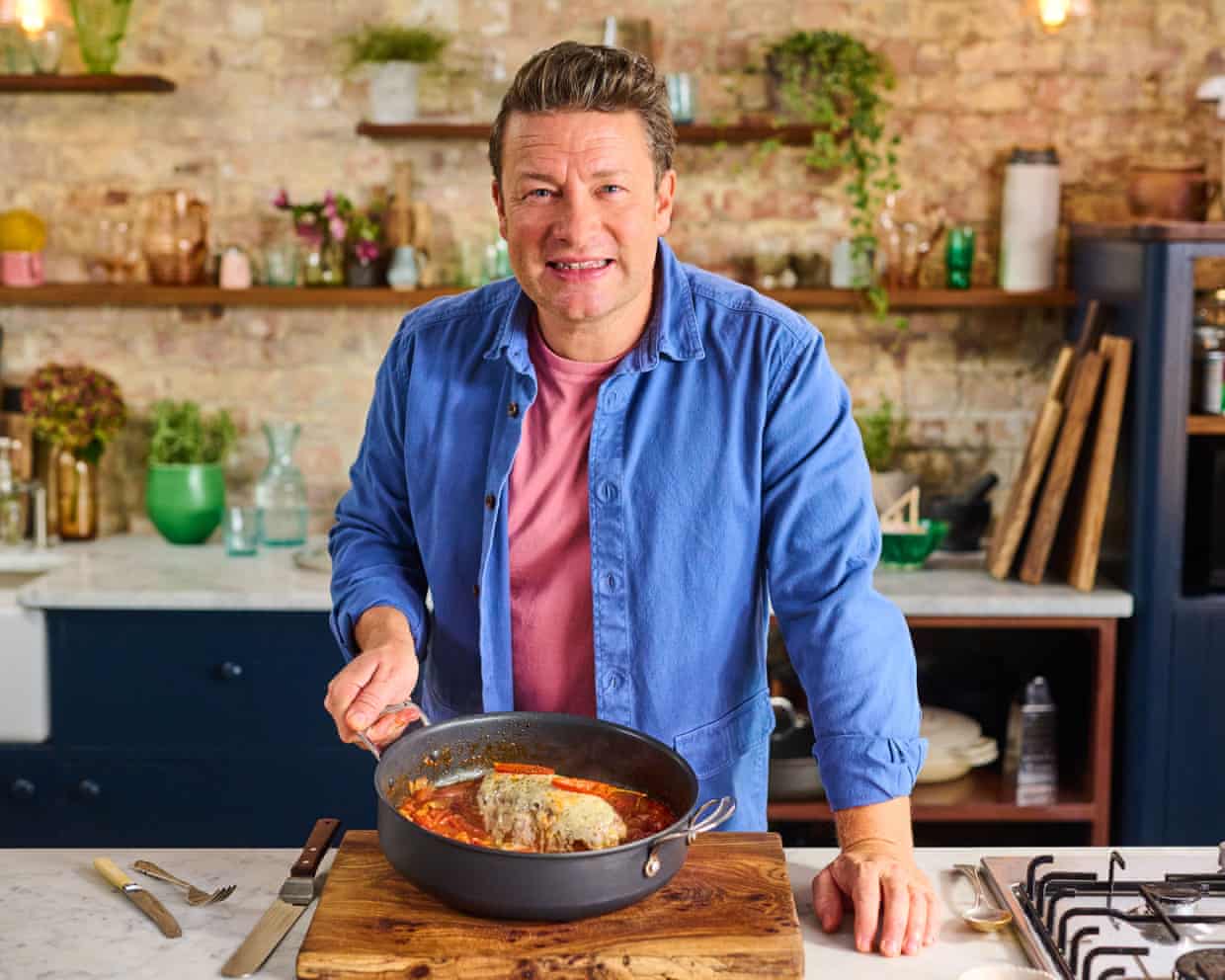
Jamie Oliver is to revive his Jamie’s Italian restaurant chain in the UK, more than six years after the celebrity chef’s brand collapsed.Jamie’s Italian is poised to be relaunched in the spring, starting with a restaurant in London’s Leicester Square.Oliver’s return to the UK restaurant scene is being backed by Brava Hospitality Group – the private equity-backed group that runs the Prezzo chain – which intends to relaunch the brand across the UK.“As a chef, having the chance to return to the high street is incredibly important to me,” he said. “I will drive the menus, make sure the sourcing is right, the staff training, and ensure the look and feel of the restaurant is brought to life in the right way
Helen Goh’s recipe for edible Christmas baubles | The sweet spot
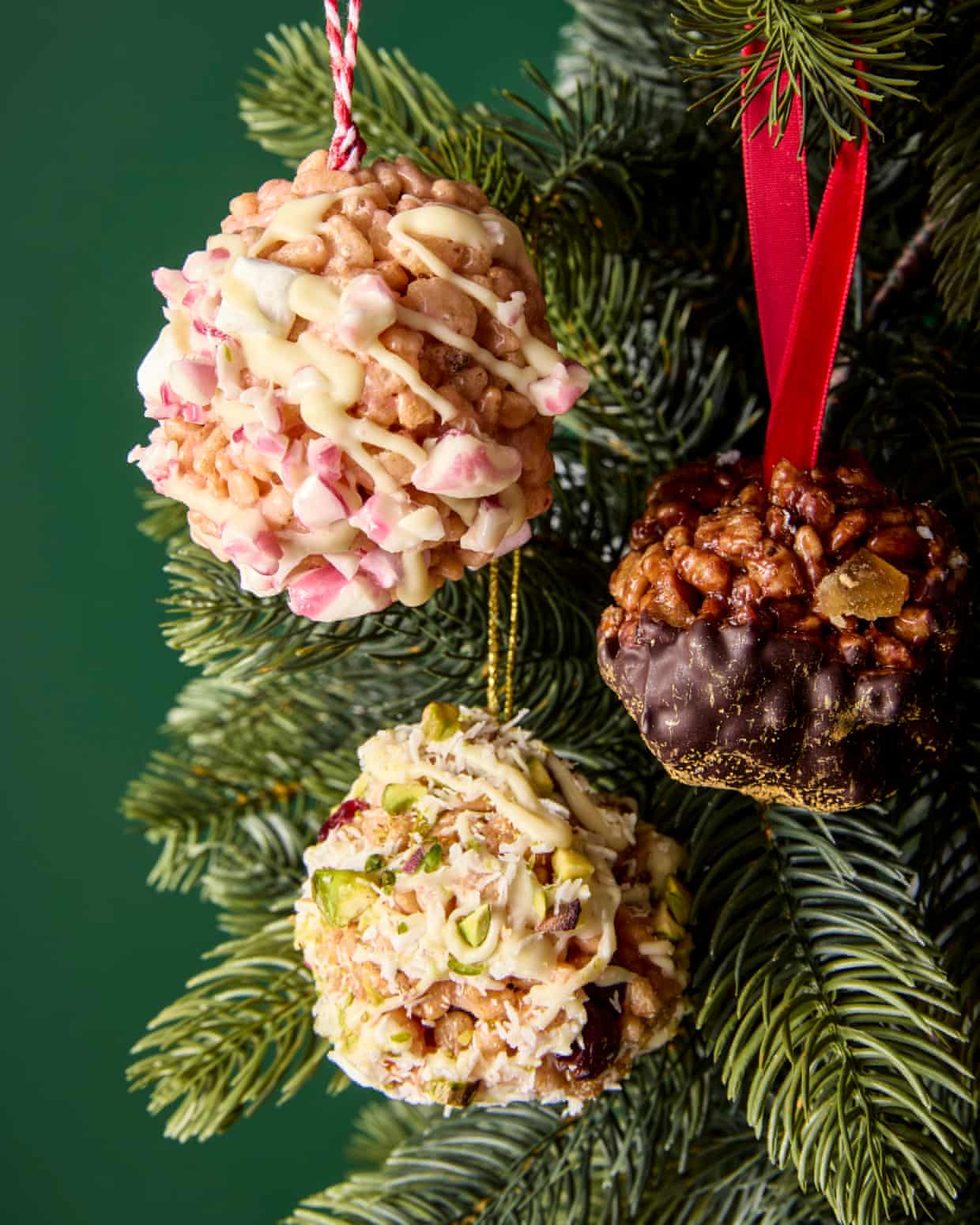
These edible baubles make a joyful addition to the Christmas table or tree. Soft, chewy, marshmallow-coated Rice Krispies are studded with pistachios and cranberries, chocolate and ginger, or peppermint candy cane; they’re as fun to make as they are to eat, and they make a perfect little gift. To add a ribbon for hanging, cut small lengths of ribbon, then loop and knot the ends. Push the knotted end gently into the top of each ball while it’s still pliable, then reshape around it, so it holds the knot securely as it sets. Alternatively, wrap each bauble in cellophane, then gather at the top and tie with a ribbon, leaving a long loop for hanging
A gentle trade in edible gifts binds communities together
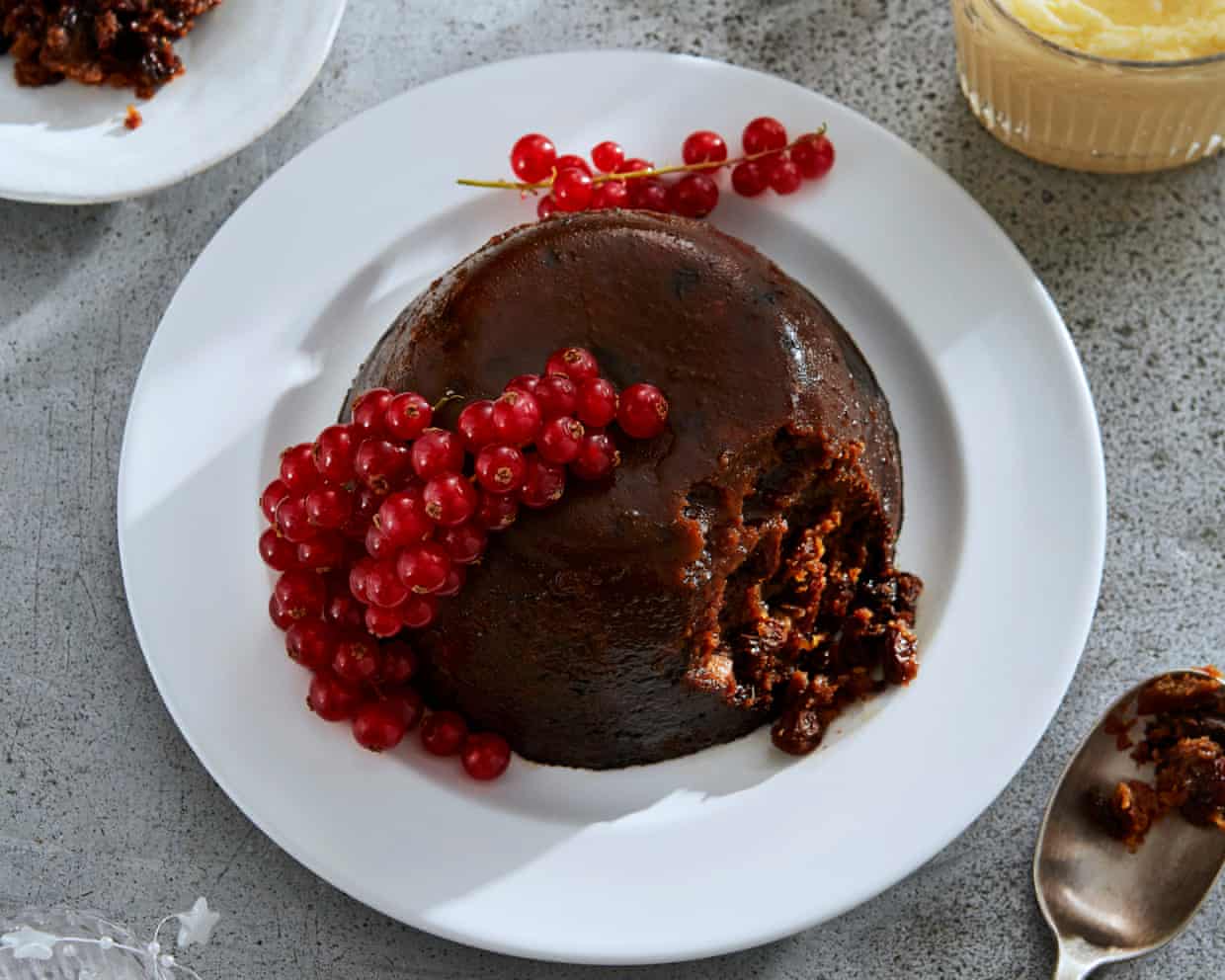
A guest at our restaurant recently told me about her mother’s seasonal side hustle, though no one would have dared call it that out loud: in the weeks before Christmas, she became a quiet merchant of puddings. The proper kind of pudding, too: all dense but not leaden, heavy with prunes and warm with careful spicing.As December crept in, forgotten cousins and semi-estranged uncles seemed to find reasons to drop by her place. She never advertised the fact, of course, but everyone knew that if you came bearing even a modest offering, you might just leave with a pudding wrapped in waxed paper and still warm with possibility. The exchanges were subtle
Chocolate tart and zabaglione: Angela Hartnett’s easy make-ahead Christmas desserts – recipes
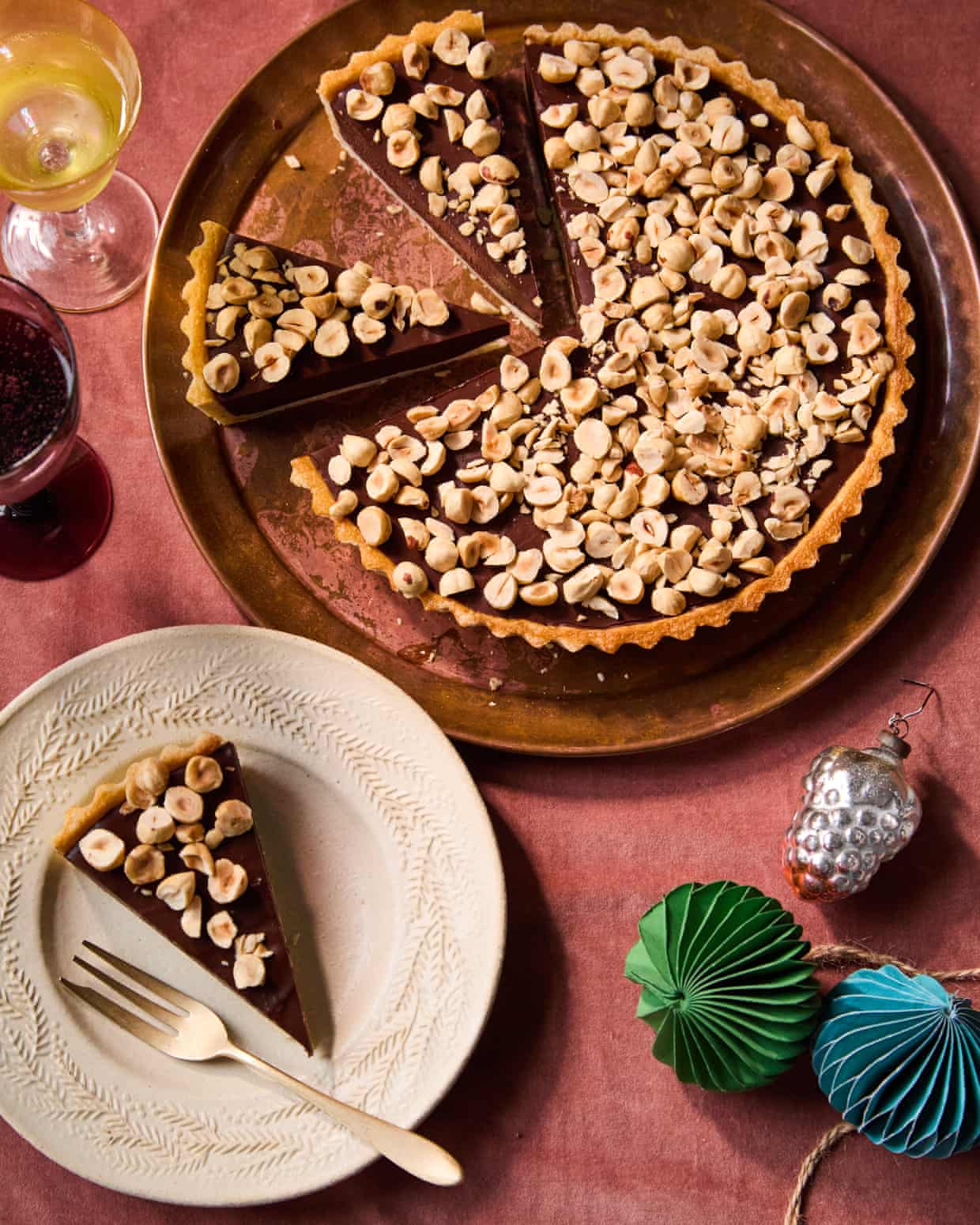
When you’re the cook of the house, you spend quite enough time in the kitchen on Christmas Day as it is. And, after those time-consuming nibbles, the smoked salmon starter and the turkey-with-all-the-trimmings main event, the last thing you want is a pudding that demands even more hands-on time at the culinary coalface. For me, the main requirement of any Christmas dessert is that it can be made well in advance, not least because, by the time the pudding stage comes around, I’ll be completely knackered and more than ready to put up my feet and finally relax (or, more likely, fall asleep on the sofa).Prep 15 minRest 3 hr+Cook 40 minServes 6-8For the sweet pastry500g plain flour, plus extra for dusting 150g caster sugar 250g cold butter, diced2-3 eggs, lightly beatenFor the filling640g 70%-cocoa dark chocolate, broken into small pieces800ml double cream 64g glucose syrup 64g cold butter, cubed 100g roasted hazelnuts, lightly choppedPut the flour and sugar in a large bowl, stir to combine, then add the diced butter and work it in with your fingertips until the mix takes on the consistency of rough breadcrumbs. Add two of the beaten eggs, then mix until the dough comes together into a ball; if need be, add the third beaten egg, but take great care not to overwork the dough

I called my recipe book Sabzi – vegetables. But the name was trademarked. And my legal ordeal began
Vegetables, in my experience, rarely cause controversy. Yet last month I found myself in the middle of a legal storm over who gets to own the word sabzi – the Hindi, Urdu, Punjabi, Persian, Dari and Pashto word for cooked veg or fresh greens. It was a story as absurd as it was stressful, a chain of delis threatened me with legal action over the title of a book I had spent years creating. But what began as a personal legal headache soon morphed into something bigger, a story about how power and privilege still dominate conversations about cultural ownership in the UK.When the email first landed in my inbox, I assumed it must be a wind-up
Choice taste test: the best Australian supermarket Christmas ham is also ‘one of the cheapest’
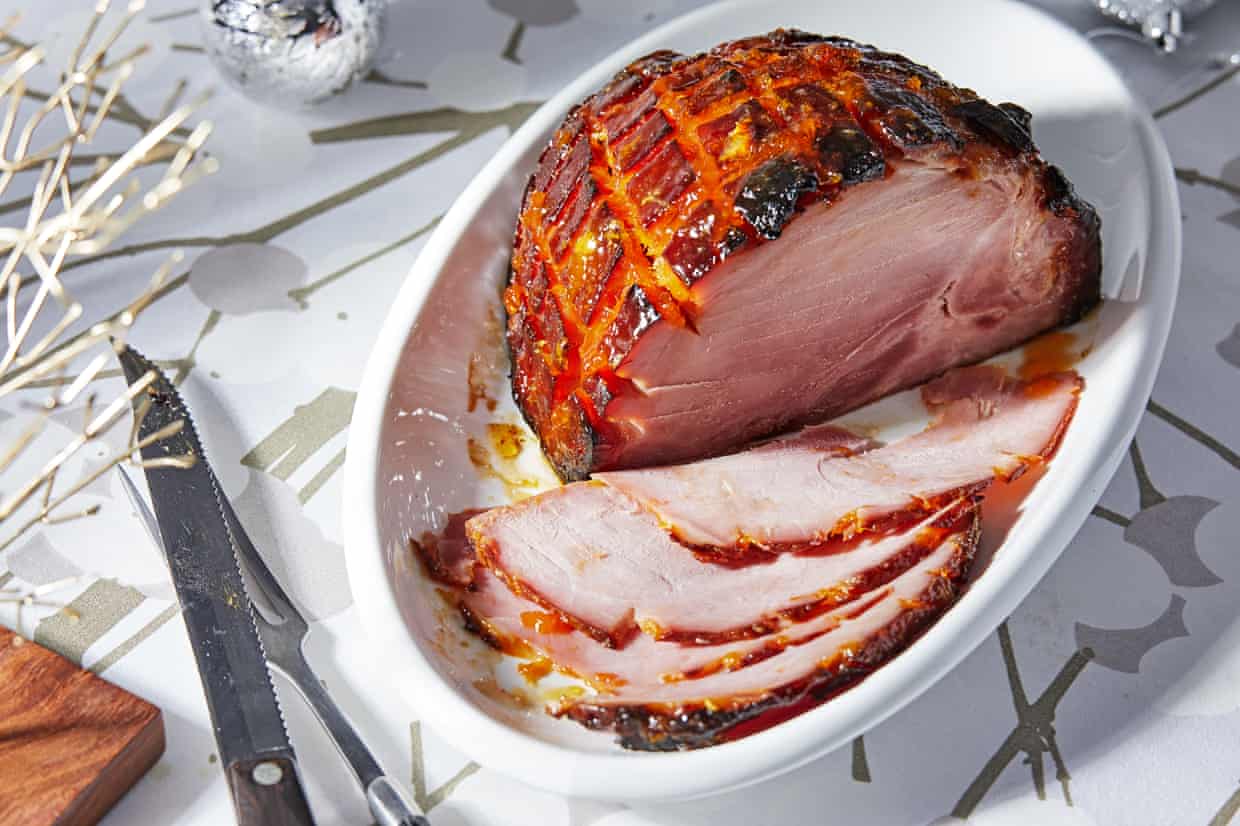
Consumer advocacy group Choice has found when it comes to supermarket Christmas hams, pork price is not necessarily an indicator of quality.In a blind taste test of 12 Christmas hams from Aldi, Coles, IGA and Woolworths, the best and worst-ranked pork products retail at almost identical prices.The best-scoring product was the Coles Christmas Beechwood Smoked Half Leg Ham, with a price per unit of $8/kg. Judges awarded it a score of 80% and described it as a “good overall ham” for its “mild but pleasant” aroma with “a nice balance between sweet and smoky flavours”.The worst-performing product, the Aldi Festive Selection Australian Half Leg Ham On-The-Bone, is similarly priced at $7

Alex Yee runs second fastest British marathon time to trail only Mo Farah
Australia v England: Ashes second Test, day four – as it happened
He’ll always have Brisbane: Michael Neser revels in sweet day of Ashes glory | Geoff Lemon

England to seek better warmup preparations before 2029-30 Ashes series
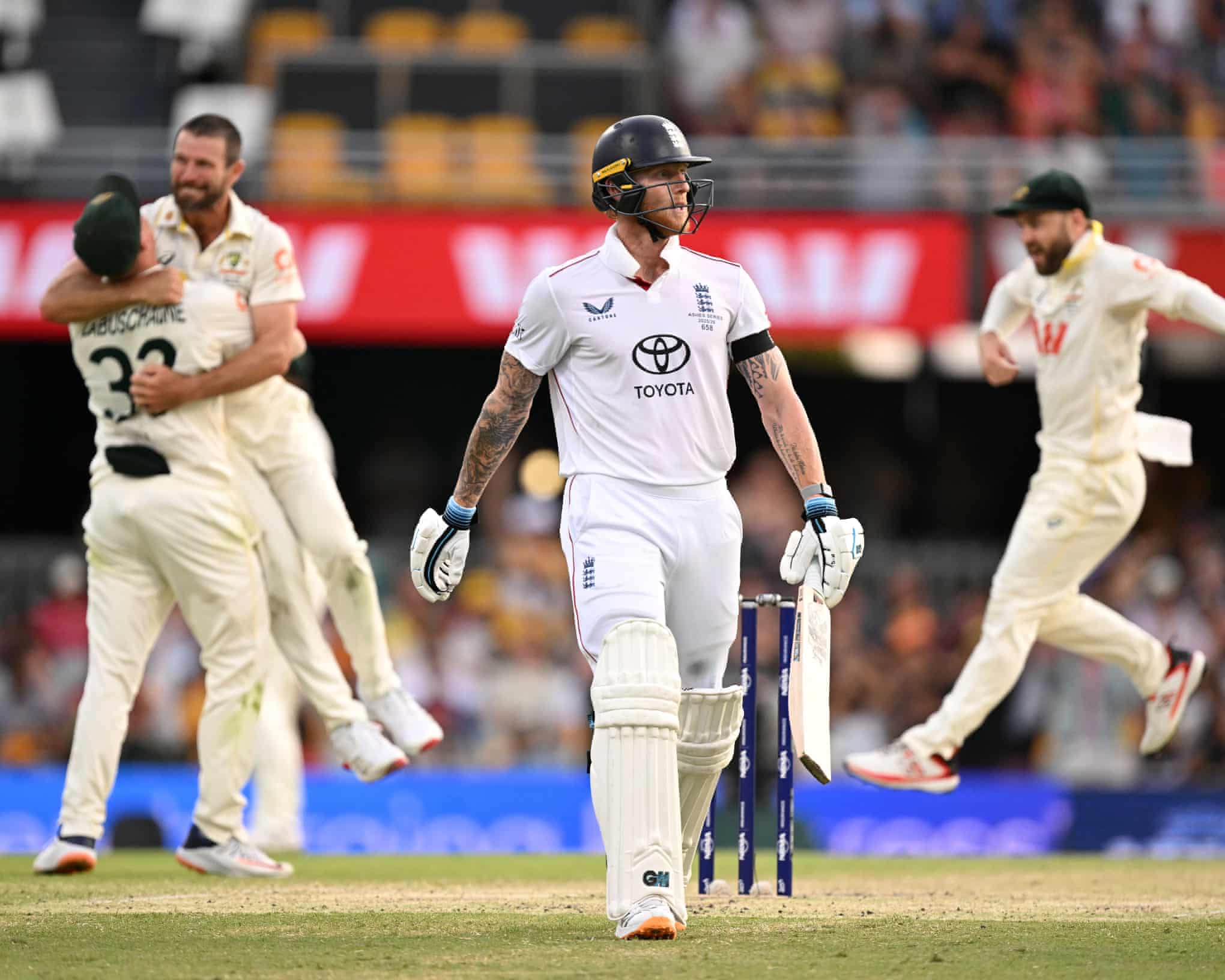
Neser takes key wickets before Australia ease to 2-0 Ashes series lead over England

‘What’s my life like away from rugby? Chaos’: Red Rose superstar Ellie Kildunne on confidence, cowboy dances and why it’s cool to be different