OBR complained to Treasury before budget about leaks spreading ‘misconceptions’
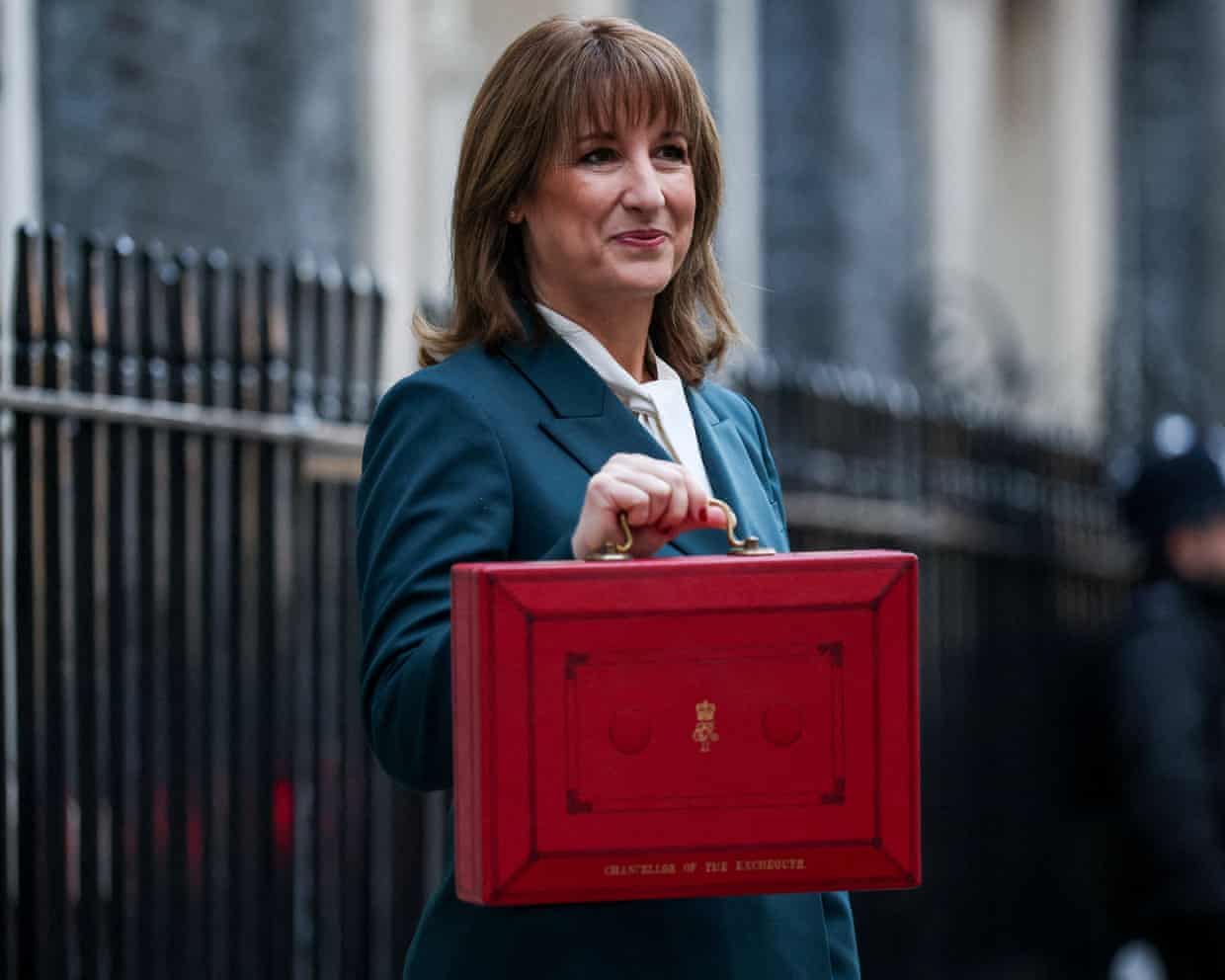
The Office for Budget Responsibility complained to senior Treasury officials in the run-up to the budget about a flurry of leaks that it said spread “misconceptions” about its forecasts, it has emerged.Prof David Miles of the OBR’s budget responsibility committee told MPs on the Treasury select committee on Tuesday that the watchdog had raised the issue of leaks with the department before the chancellor’s statement last week.“I think it was clear that there was lots of information appearing in the press which perhaps wouldn’t normally be out there and that this wasn’t from our point of view particularly helpful,” he said.He added: “We made it clear that they were not helpful and that we weren’t in a position of course to put them right.”Miles was appearing before the committee after the OBR chair, Richard Hughes, resigned on Monday, taking responsibility for the inadvertent release of its budget documents about an hour before Rachel Reeves stood up to announce her tax and spending plans.
Hughes’s departure also followed the publication on Friday of a letter that took what he called the “unusual step” of spelling out the evolution of the OBR’s forecasts over time, sparking a furious row about Reeves’s account of the backdrop to her budget decisions.Miles said the letter was published because the watchdog felt the public had received a false impression, which was “damaging to the OBR and to the process”.He highlighted two “misconceptions” – the idea that the OBR had shifted the time period over which it assesses the yields on government bonds, perhaps under pressure from the government; and the idea that its forecasts had swung dramatically at the last minute, affecting Labour’s decision-making.Miles told MPs there was “a view that the OBR’s forecasts were wildly fluctuating in the process both leading up to the pre-measures forecast, and perhaps after it as well, and that that had made the budget process more chaotic than it otherwise would have been”.His evidence also flatly contradicted a government briefing on 14 November, as markets reacted to news that Reeves had dropped plans to raise income tax, which suggested that decision resulted from improved forecasts.
“There seemed to be a misconception that there seemed to have been some good news, and I’m not sure where that came from: it didn’t exist,” he told the committee.“What had happened is that the forecast for headroom had gradually improved a little bit in the run-up to 31 October [when the final ‘pre-measures’ forecast was sent to Reeves].”Sign up to Business TodayGet set for the working day – we'll point you to all the business news and analysis you need every morningafter newsletter promotionQuestioned by the Conservative former Treasury minister John Glen, Miles said the watchdog wanted to make clear that it was not “either the patsy that was doing what the government wanted, or that through its own fickle behaviour changing from one day to the next, depending on whether it was sunny or cloudy, that that was making it virtually impossible for the government”.However, Miles denied that, as opposition politicians have claimed, the OBR’s letter showed Reeves was misleading in her 4 November pre-budget speech, in which she underlined the perilous state of the public finances.He said the OBR’s forecasts “didn’t suggest that the fiscal outlook was problem free” and described the margin for error, or headroom, on the chancellor’s fiscal rules as a “sliver”.
Miles added that the slew of leaks may have hit economic growth by exaggerating consumer and business uncertainty, which “may well have been exacerbated by leaks which some days seemed to be suggesting one thing and the next day something different”.He added: “I don’t think that can have helped.”He also defended the OBR’s decision to reassess its forecasts for the economy’s underlying productivity outlook this summer.Reeves and Keir Starmer have expressed frustration that this rethink, which led to a downgrade in growth forecasts, had not taken place earlier.Miles said it had been important to wait until the impact of the big economic shocks of Covid and Russia’s invasion of Ukraine had faded, and it would have been “trigger-happy” to move earlier.

Bank of England defends OBR’s independence against political attacks; UK banks pass stress tests – business live
Having resisted two invitations to comment on the Office for Budget Responsibility, Bank of England governor Andrew Bailey can’t resist swishing at the third (has he been watching England batting in Australia?)Q: You have commented on political attacks on the Federal Reserve before, so are the political attacks on the Office for Budget Responsibility dangerous?Bailey reminds today’s press conference that there are good reasons why the Office for Budget Responsibility was created by George Osborne in 2010, telling reporters:The reason the OBR was created was to ensure there was a source of independent forecasting and an independent assessment of fiscal policy.That’s important, it’s important in many countries. Britain’s not unique… there’s nothing unusual about this absolutely core principle.So where attacks on the OBR are concerned, Bailey says we should “please remember why it was done and the principles underlying it”.However, it’s not for the Bank to get involved in “the day-to-day affairs of that”, he adds
OBR complained to Treasury before budget about leaks spreading ‘misconceptions’
The Office for Budget Responsibility complained to senior Treasury officials in the run-up to the budget about a flurry of leaks that it said spread “misconceptions” about its forecasts, it has emerged.Prof David Miles of the OBR’s budget responsibility committee told MPs on the Treasury select committee on Tuesday that the watchdog had raised the issue of leaks with the department before the chancellor’s statement last week.“I think it was clear that there was lots of information appearing in the press which perhaps wouldn’t normally be out there and that this wasn’t from our point of view particularly helpful,” he said.He added: “We made it clear that they were not helpful and that we weren’t in a position of course to put them right.”Miles was appearing before the committee after the OBR chair, Richard Hughes, resigned on Monday, taking responsibility for the inadvertent release of its budget documents about an hour before Rachel Reeves stood up to announce her tax and spending plans

Age of the ‘scam state’: how an illicit, multibillion-dollar industry has taken root in south-east Asia
For days before the explosions began, the business park had been emptying out. When the bombs went off, they took down empty office blocks and demolished echoing, multi-cuisine food halls. Dynamite toppled a four-storey hospital, silent karaoke complexes, deserted gyms and dorm rooms.So came the end of KK Park, one of south-east Asia’s most infamous “scam centres”, press releases from Myanmar’s junta declared. The facility had held tens of thousands of people, forced to relentlessly defraud people around the world

Siri-us setback: Apple’s AI chief steps down as company lags behind rivals
Apple’s head of artificial intelligence, John Giannandrea, is stepping down from the company. The move comes as the Silicon Valley giant has lagged behind its competitors in rolling out generative AI features, in particular its voice assistant Siri. Apple made the announcement on Monday, thanking Giannandrea for his seven-year tenure at the company.Tim Cook, Apple’s CEO, said his fellow executive helped the company “in building and advancing our AI work” and allowing Apple to “continue to innovate”. Giannandrea will be replaced by longtime AI researcher Amar Subramanya

The Breakdown | Thirty years of Champions Cup has given us the beastly, beautiful and bizarre
Bloodgate, the ‘Hand of Back’ and a drop goal off ‘someone’s arse’ are among the tournament’s delightful eccentricitiesOn the eve of a new Champions Cup season it is worth remembering when and where it all began. The answer is 30 years ago on the shores of the Black Sea where Farul Constanta of Romania hosted France’s mighty Toulouse in the opening pool game of the old Heineken Cup on 31 October 1995.Let’s just say they were different times. The match was played on a Tuesday and, while the crowd was recorded as 3,000, eyewitnesses were focused on the large number of security personnel with barking Alsatian dogs straining at the leash. Toulouse, boasting an array of internationals including Émile Ntamack and Thomas Castaignède, duly registered eight tries and won 54-10
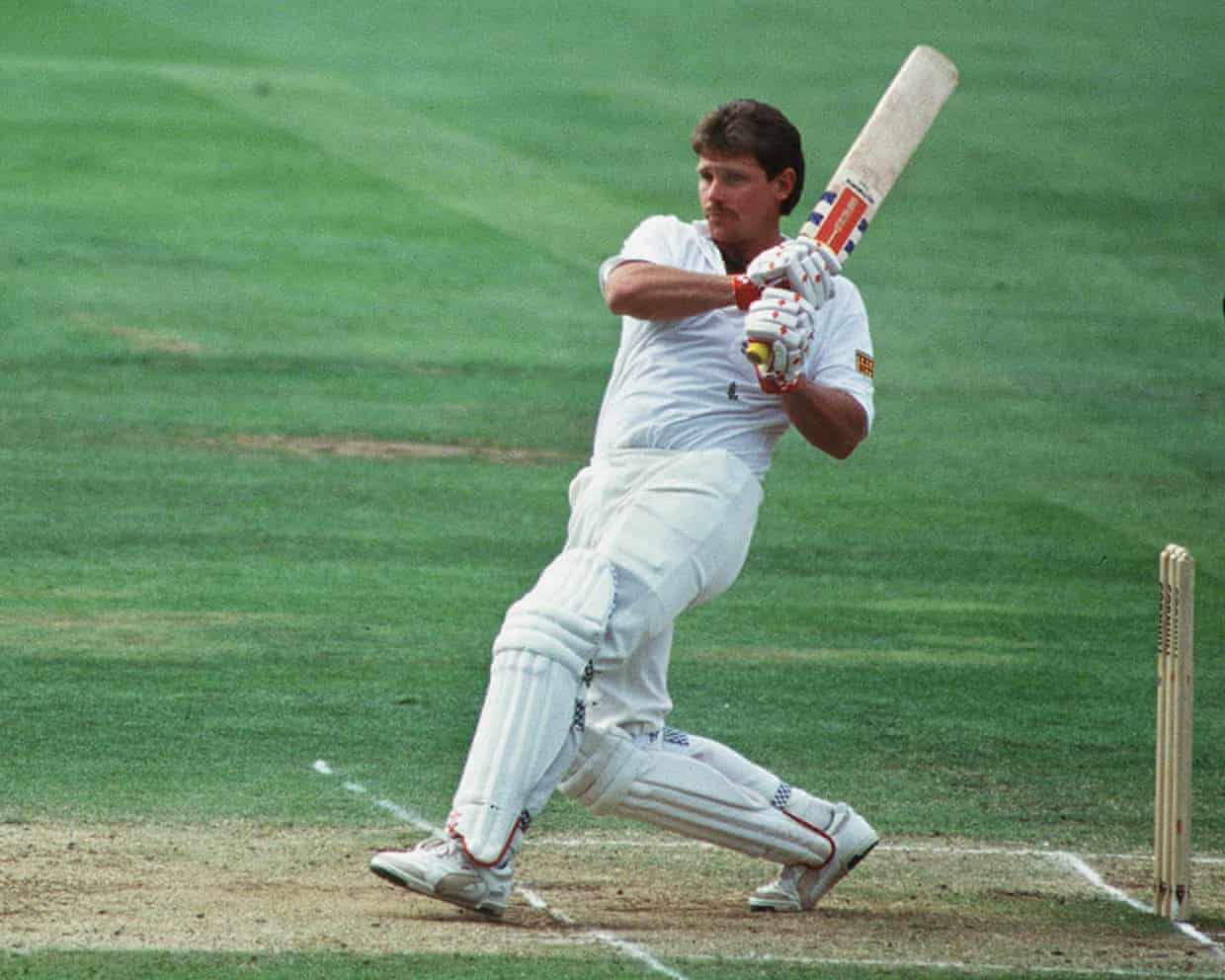
Robin Smith, former England cricketer, dies aged 62
The former England cricketer Robin Smith has died at the age of 62 with his family and former county Hampshire saying they were devastated by his loss.Smith played 62 Tests and 71 one-day internationals for England between 1988 and 1996 and was a resolute middle-order bulwark for the side during often difficult times for the team. He particularly excelled against pace, making his highest Test score of 175 against the fearsome West Indies attack at Antigua in 1994.He made 4,236 Test runs overall at an average of 43.67, including nine centuries
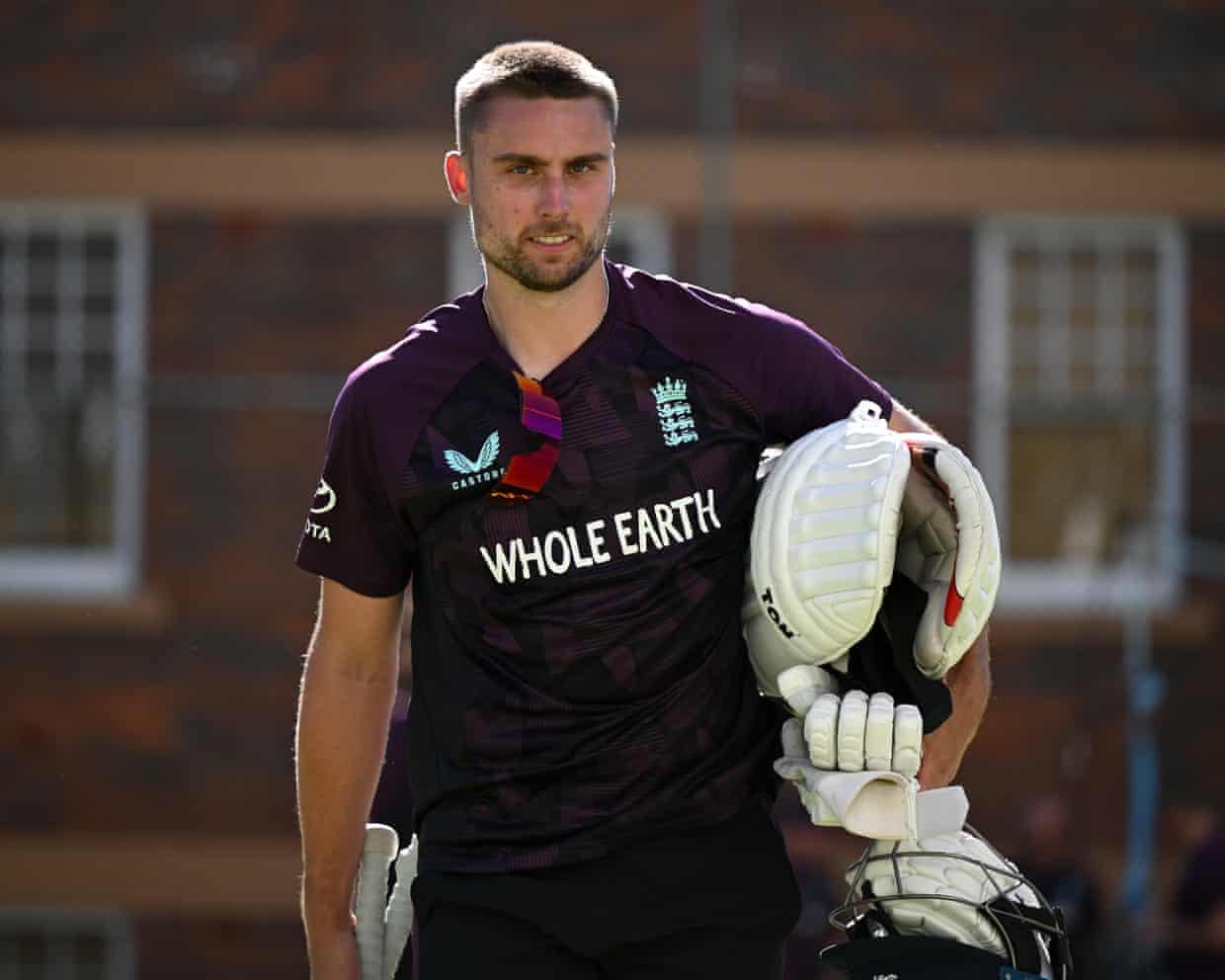
England abandon all-out pace attack with recall of Will Jacks for second Ashes Test in Brisbane

Win in Abu Dhabi and hope for carnage: how Oscar Piastri can still win the F1 world title

Max Verstappen prepared to ‘maximise everything’ in F1 season-deciding finale

Eben Etzebeth to appear at hearing after red card for alleged eye-gouging
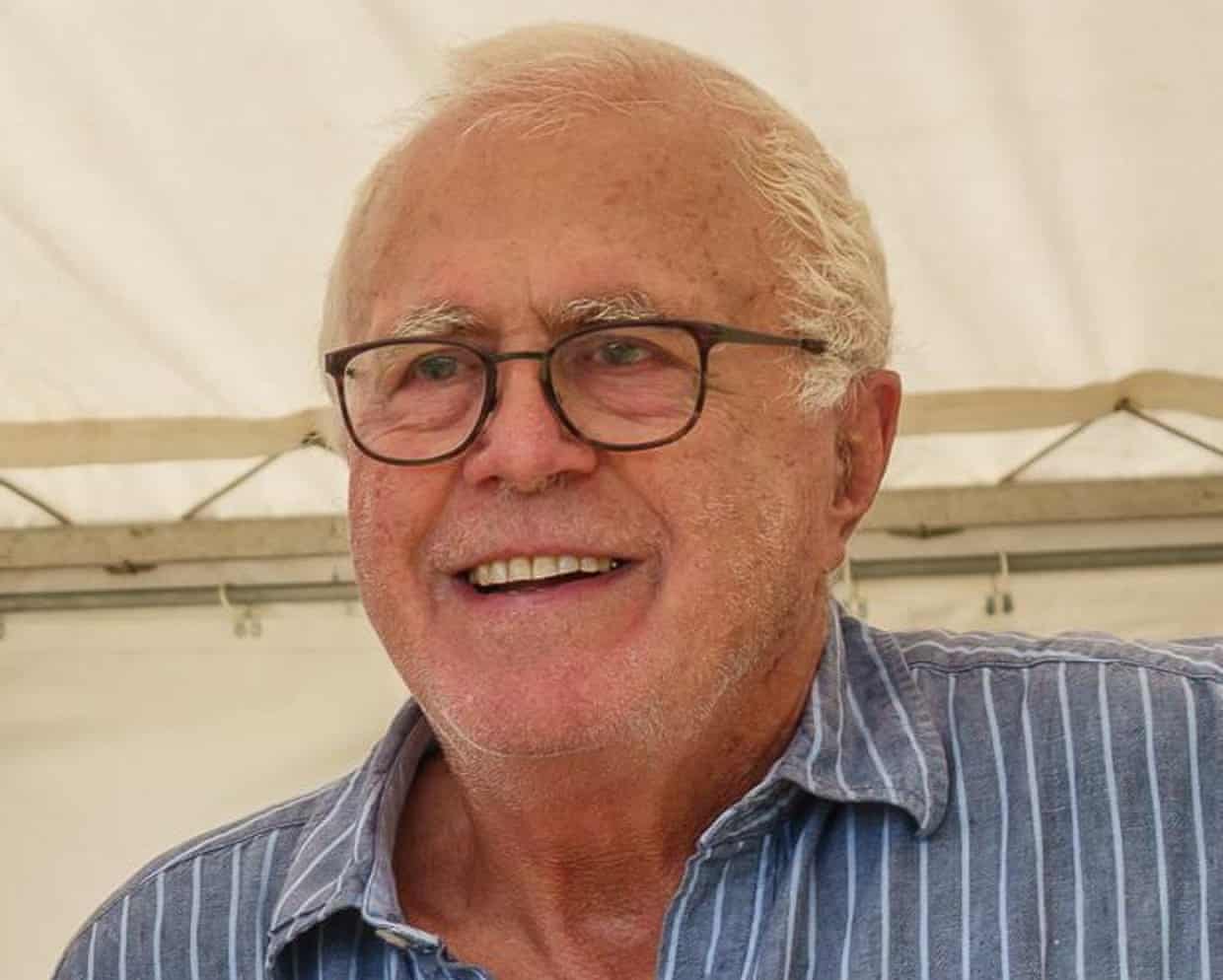
Peter Wright obituary

Fuzzy Zoeller obituary