From bricklayer to mayor: Steve Rotheram is quietly building a Liverpool success story

From the towering south stand of Everton’s gleaming new riverside football stadium, the Liverpool city region mayor Steve Rotheram is showing off his next big goal to the visiting government minister.It was not much to look at: acres of industrial wasteland, disused docks and a sorry-looking gothic clock tower, said to be one of only two in the world with six faces.The hands of the Grade II-listed “dockers’ clock” have not moved for years, an all too fitting symbol of time standing still on this part of the Mersey dockland against the rampant regeneration nearby.Accompanied by the communities secretary Steve Reed on Thursday morning, Rotheram announced a “once-in-a-generation” development on the 174-hectare (430-acre) site beside the £800m Hill Dickinson stadium.A new government-backed body promises 17,000 new homes and commercial premises over the next 15 years.
It was the latest in a series of quiet but significant wins for Rotheram, whose aides say has adopted a strategy of flying beneath the Westminster radar to get things done.The approach appears to be paying dividends.In recent months, the Labour mayor has won ministers’ backing for an overnight accommodation levy and a reform of Treasury spending in the regions, campaigns he has led for years.Multimillion-pound concerts by Bruce Springsteen, Taylor Swift and the Rolling Stones have returned superstar energy to the city after the 2023 Eurovision song contest.Less glamorous, but more significant for Liverpudlians, is a transport upgrade including the first new Mersey ferry in 60 years, due to set sail in 2026, while ministers are considering a new high-speed rail line to Manchester and £2.
5bn towards a revamp of Liverpool Central, the city’s answer to London’s King’s Cross-St Pancras,It feels like another job well done for Rotheram, a former bricklayer who became the first Liverpool city region mayor in 2017 after seven years in Westminster,Some in his team are calling him “the Treasury whisperer”,Liam Thorp, the political editor of the Liverpool Echo, says the mayor has “grown in confidence” after a slow first term that was dogged by Labour infighting: “We’re probably just about now in his third term starting to see some of the wins and progress that he would have wanted to see earlier,”For years, Rotheram has worked in the shadow of his close friend Andy Burnham, nicknamed the king of the north, who has brought money and political attention to Greater Manchester.
While Burnham is often accused of undermining Keir Starmer to further his own ambitions, his Liverpool neighbour has no designs on No 10.A senior government official would not be drawn on the contrast between the two mayors but welcomed Rotheram’s approach to “quietly getting on well” with key departments.The source says he has forged a “good, professional relationship” with Whitehall.Speaking on Friday, the mayor said it was an overheard remark in a Commons corridor in 2010 that drives him on today.He recalls hearing government officials joking about “typical scousers” after a meeting with Liverpool council about funding for a new project.
“It was a feeling of absolute despair, a brick in your stomach that they’re slagging off the city you love,” he says.“It sticks with me to this day … I was very much determined to change that perception.”Rotheram, 64, was one of eight siblings growing up in 1960s Merseyside when post-industrial decline was in its infancy.He left school at 16 to become a bricklayer, going on to help rebuild the Falkland Islands after the war.Rotheram and his childhood sweetheart, Sandra, a psychiatric nurse, have three children and still live in the house they bought 36 years ago.
He jokes that when they got the keys he promised his wife he would renovate it all himself, adding: “I’m not far off finishing it now,”Sign up to First EditionOur morning email breaks down the key stories of the day, telling you what’s happening and why it mattersafter newsletter promotionA lifelong Liverpool fan, Rotheram was at Hillsborough for the FA Cup semi-final that resulted in the terrible crush that resulted in the death of 97 fans in 1989,In 2009, a year before he entered parliament, he revealed he had a ticket for the fatal Leppings Lane end but swapped it 15 minutes before kick-off,“I’m one of the fortunate ones,” he said at the 20th anniversary event, adding that he never discovered what happened to the fan who took his ticket,The family had a brush with tragedy again in 2017 when their two daughters, Haylie and Samantha, were at the Ariana Grande concert at Manchester Arena where a suicide bomber killed 22 people and injured hundreds more.
Mercifully, they escaped unharmed.Those close to Rotheram say he is reluctant to speak about his personal life in the way many high-profile politicians do, despite aides encouraging him to open up.He describes his role as “the dream job for any scouser”.But despite holding Labour’s safest non-council seat in Britain – winning 68% of the vote last year – Rotheram fears he could lose to Reform UK without a drastic change of fortunes nationally by 2028, when his mayoralty is next up for election.The “prevailing political winds” mean no seat is safe any more, he says: “Nobody knows, even if you’ve got a safe seat like mine was last time, you don’t know where the electorate are because they’re so volatile at the moment.
“Rightwing noises resonate in every single one of our communities and we have to be careful.Our barometer will be May next year because we’ve got two all-out [council] elections and two councils with one-third [up for election] and that’s a good polling size of where politics are in the Liverpool city region.”Asked whether he believes Reform UK could genuinely win the mayoralty in Liverpool, the most solidly Labour city in England, Rotheram says: “At this moment in time, when Labour are doing so poorly in the polls and Reform are riding the crest of a wave until they are caught out – because they will be – if there was to be a snap election it would be very, very difficult for Labour.“What we need to keep doing is demonstrating that Labour in government, Labour in town halls and in our devolved authorities, are the gamechanger for people.”Additional reporting by Peter Walker, senior political correspondent
What is polygenic embryo screening in IVF and does it work?
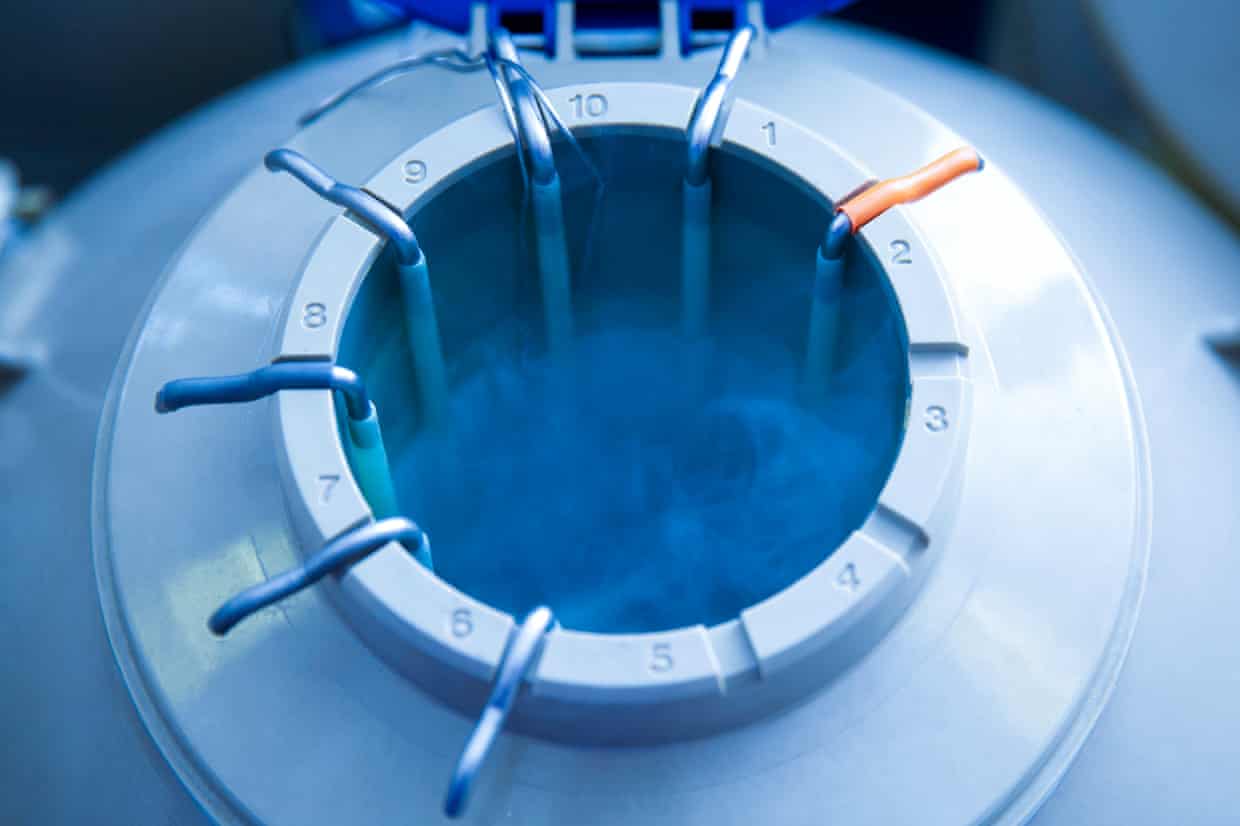
The Guardian has learned that couples undergoing IVF in the UK are exploiting an apparent legal loophole to rank their embryos based on genetic predictions of IQ. But what is polygenic screening and does it work?Fertility treatments are strictly regulated, with tests performed on embryos legally restricted to a list of serious health conditions. These include about 1,700 single-gene disorders, including Huntington’s, cystic fibrosis and sickle-cell disease. Clinics can also test for aneuploidy – when an embryo has extra or missing chromosomes – which lowers the chance of a successful pregnancy or can lead to genetic conditions. Polygenic screening, or PGT-P, which aims to give predictive scores for health, height, IQ and other traits is not permitted
UK IVF couples use legal loophole to rank embryos based on potential IQ, height and health
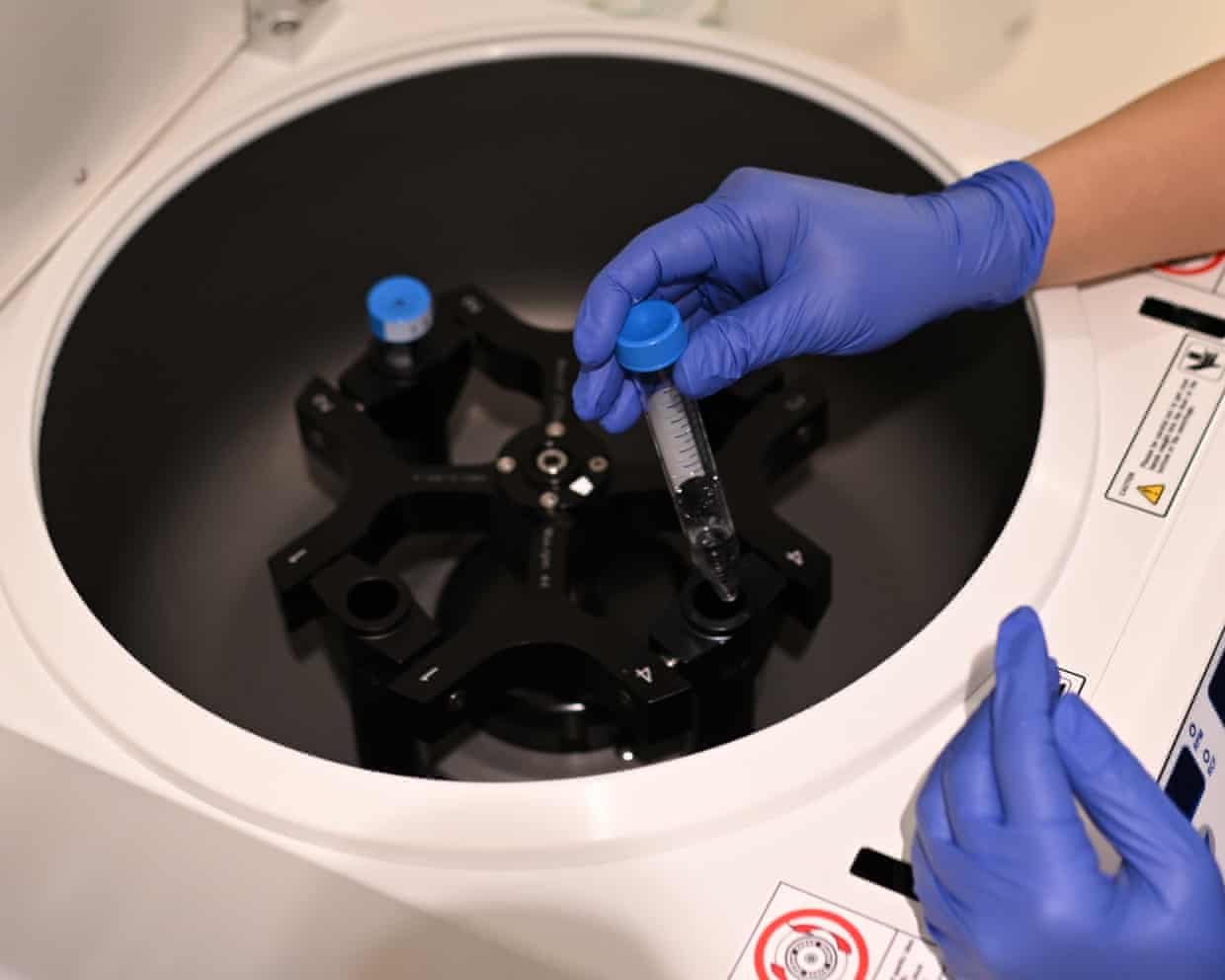
Couples undergoing IVF in the UK are exploiting an apparent legal loophole to rank their embryos based on genetic predictions of IQ, height and health, the Guardian has learned.The controversial screening technique, which scores embryos based on their DNA, is not permitted at UK fertility clinics and critics have raised scientific and ethical objections, saying the method is unproven. But under data protection laws, patients can – and in some cases have – demanded their embryos’ raw genetic data and sent it abroad for analysis in an effort to have smarter, healthier children.Dr Cristina Hickman, a senior embryologist and founder of Avenues fertility clinic in London, said rapid advances in embryo screening techniques and the recent launch of several US companies offering so-called polygenic screening had left clinics facing “legal and ethical confusion”.“This opens a whole can of worms,” said Hickman, who raised the issue in a letter last month to the Human Fertilisation and Embryology Authority (HFEA)

AI deepfakes of real doctors spreading health misinformation on social media
TikTok and other social media platforms are hosting AI-generated deepfake videos of doctors whose words have been manipulated to help sell supplements and spread health misinformation.The factchecking organisation Full Fact has uncovered hundreds of such videos featuring impersonated versions of doctors and influencers directing viewers to Wellness Nest, a US-based supplements firm.All the deepfakes involve real footage of a health expert taken from the internet. However, the pictures and audio have been reworked so that the speakers are encouraging women going through menopause to buy products such as probiotics and Himalayan shilajit from the company’s website.The revelations have prompted calls for social media giants to be much more careful about hosting AI-generated content and quicker to remove content that distorts prominent people’s views

We must warn travellers about the risk of methanol poisoning | Letters
With 14,600 deaths caused by suspected methanol poisoning incidents worldwide since 2015, much more needs to be done to prevent tragedies like the death of Simone White in Laos last year (Brain damage, blindness and death: the global trail of trauma left by methanol-laced alcohol, 29 November).Following campaigning by bereaved families and supportive MPs, the UK government has included education about methanol dangers in the national curriculum and strengthened Foreign Office advice to travellers, extending the warning to more countries. We now need a wider national campaign involving travel companies, with a message that in countries such as Indonesia, which has the highest number of reported incidents of suspected methanol poisoning globally in the past 10 years, spirits should be avoided altogether.Jim Dickson MPLabour, Dartford Have an opinion on anything you’ve read in the Guardian today? Please email us your letter and it will be considered for publication in our letters section.

A guide to the Guardian’s 2025 charity appeal partners
Locality is the national network that brings together people to transform lives and improve the place they live. Its 2,000 members are local community organisations, often in the most disadvantaged areas, who create connections and provide vital services – from food banks to community centres, affordable housing projects to youth clubs.As Locality’s chief executive, Tony Armstrong, says: “Our work is the antidote to despair – we inspire hope and generate resilience, pride and opportunity.”Rooted in local areas, Locality members counter the extremism and toxic narratives that erode trust and pit neighbours against one another. “The only way to combat division is to connect people, building bridges in communities rather than putting up walls,” he says
Tell us: have you lived in temporary accommodation in the UK with children?
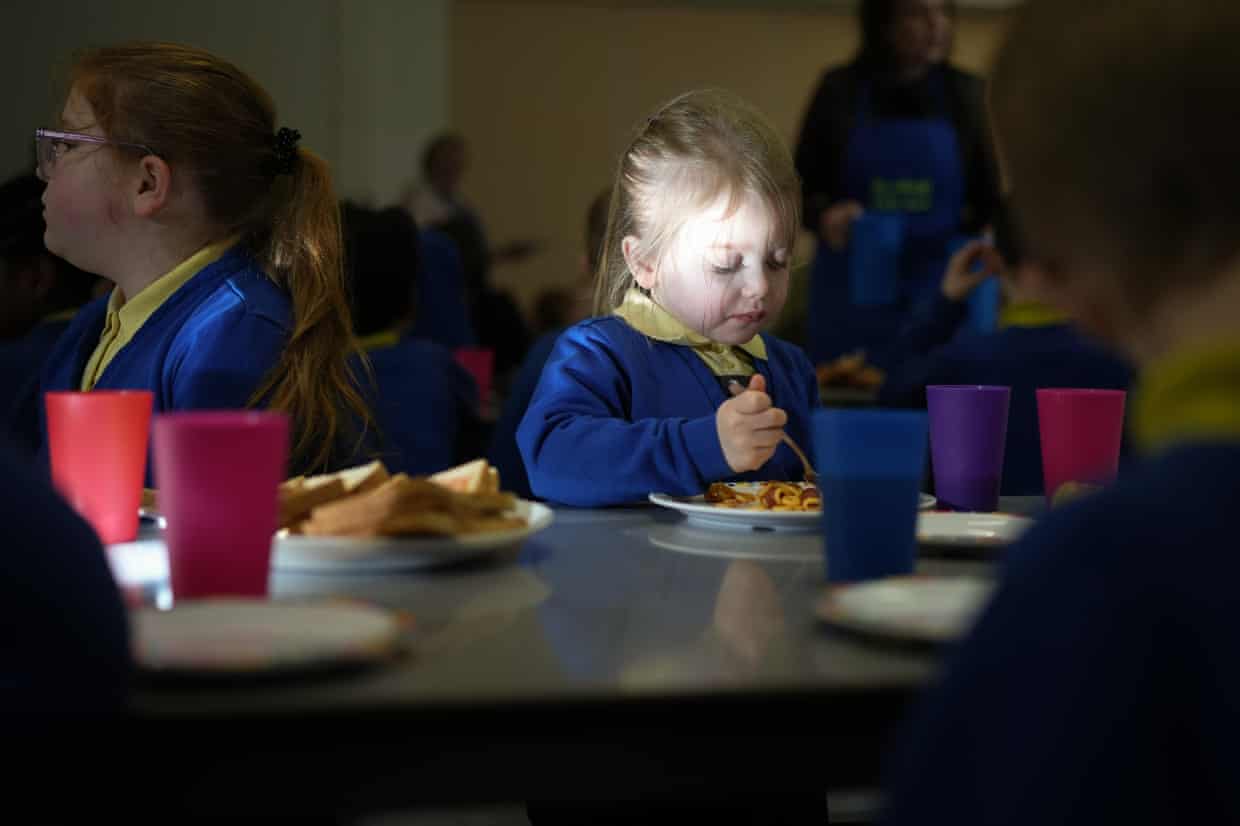
More than 172,000 children were living in temporary accommodation in England at the end of June, according to the latest quarterly official figures from October.That represented an 8.2% rise on the same period last year. There are now more than 130,000 households households living in temporary accommodation in England, the figures showed.Matt Downie, chief executive of Crisis, said: “Tragically we have now become totally accustomed to seeing record levels of children growing up in temporary accommodation
The K-shaped Christmas: wealthy few drive holiday spending splurge while many struggle to get by

Ministers urged to close £2bn tax loophole in car finance scandal

A robot walks into a bar: can a Melbourne researcher get AI to do comedy?

Artificial intelligence research has a slop problem, academics say: ‘It’s a mess’

Britain’s Norris pips Verstappen to win maiden F1 world title after third place in Abu Dhabi – as it happened

Steel, courage and a sense of humour: how Lando Norris claimed his first F1 title