UK ministers aim to ban cryptocurrency political donations over anonymity risks
Ministers are working to ban political donations made with cryptocurrency but the crackdown is not likely to be ready for the elections bill in the new year, Whitehall sources have said.The government increasingly believes that donations made with cryptocurrency pose a risk to the integrity of the electoral system, not least because the source can be hard to verify.However, the complex nature of cryptocurrency means officials do not believe a ban will be workable by the time of the elections bill, due to be published shortly, which is set to lower the voting age to 16 and reduce loopholes in political finance.The government’s ambition to ban crypto donations will be a blow to Nigel Farage’s Reform UK party, which became the first to accept contributions in digital currency this year.It is believed to have received its first registrable donations in cryptocurrency this autumn and the party has set up its own crypto portal to receive contributions, saying it is subject to “enhanced” checks.
Government sources have said ministers believe cryptocurrency donations to be a problem, as they are difficult to trace and could be exploited by foreign powers or criminals.Pat McFadden, then a Cabinet Office minister, first raised the idea in July, saying: “I definitely think it is something that the Electoral Commission should be considering.I think that it’s very important that we know who is providing the donation, are they properly registered, what are the bona fides of that donation.”The Electoral Commission provides guidance on crypto donations but ministers accept any ban would probably have to come from the government through legislation.Earlier this year, the Electoral Commission initially appeared to believe the risks of donations in cryptocurrency were manageable, saying they could be assessed like any other asset such as a work of art or donations in kind.
Despite a push from some ministers for a ban on cryptocurrency donations, Vijay Rangarajan, the chief executive of the Electoral Commission, said in August he did not think a ban was necessary as there was already a huge responsibility on parties to be sure they knew the source of their donations.“Parties get given far more weird things than crypto,” he said, pointing to donations of artworks, foreign trips or the use of yachts, which can be hard to quantify.However, government sources said the watchdog had become increasingly concerned that it was difficult to check the origin and ownership of donations, particularly if a cryptocurrency wallet comes from abroad.In evidence to the joint committee on the national security strategy in September, Rangarajan described his position on crypto donations as “sceptical”.“You can track back to the different wallets, and you can work out which wallet is holding it,” he said.
“Particularly abroad, it is very hard to work out who is actually controlling or who owns that wallet.That comes back to controlling agency and the kind of financial flows that we have seen.“Yes, you will know that a wallet, with its long string of numbers, had that asset in it and that that asset was transferred on this date, but we do not know who was making these.They flow through many of these, so the resources needed to track back through many of these crypto transactions are really significant.Because of the proportionality of them, it is very hard to do, except for large transactions where we are really investigating something.
”Campaign groups have highlighted risks with allowing donations in cryptocurrency,Susan Hawley, the executive director of Spotlight on Corruption, said the prospective ban was welcome but that the government must “come forward with a criminal offence that makes it much harder for foreign money to get into UK politics, and make sure that the police are properly resourced to investigate it”,“Crypto donations present real risks to our democracy,” she added,“We know that bad actors like Russia use crypto to undermine and interfere in democracies globally, while the difficulties involved in tracing the true source of transactions means that British voters may not know everyone who’s funding the parties they vote for,”
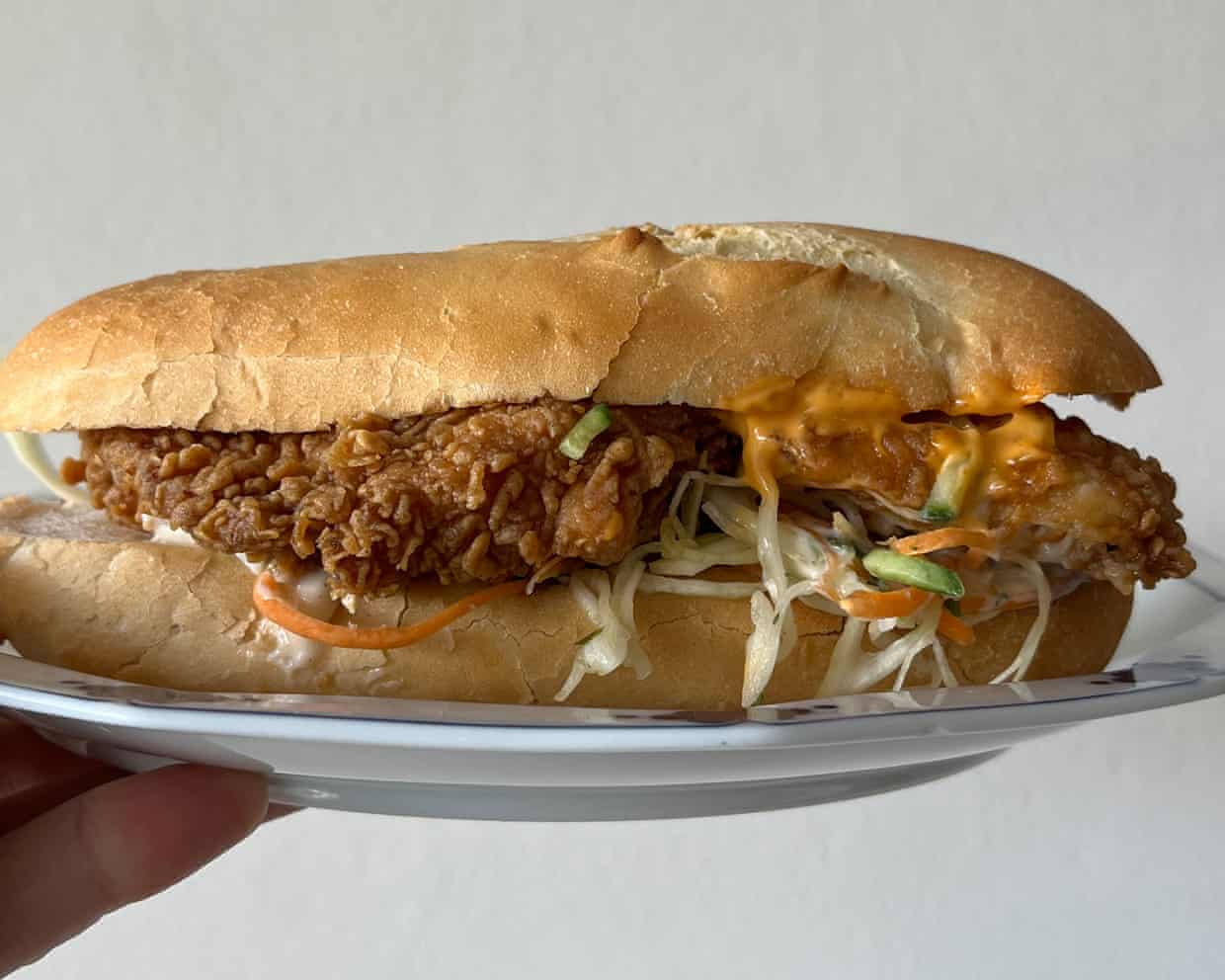
KFC’s bánh mì has its name but not its nature. Who is this sandwich for?
I bite into my KFC bánh mì, and there is silence. No crunch, no crackle. My teeth sink into a bread roll that is neither crusty nor flaky. There is a slaw of cabbage, carrot and cucumber, a whisper of coriander, a fillet of fried chicken, a splodge of mayonnaise and a slightly spicy, barbecue-adjacent “supercharged” sauce. There is no pate, no pickled daikon, no lineup of industrious sandwich-making Vietnamese aunties asking if I want chilli

Skye Gyngell obituary
The pioneering chef Skye Gyngell, who has died of Merkel cell carcinoma, a rare skin cancer, aged 62, was the first Australian woman to win a Michelin star, an early supporter of the slow food movement, and a champion of charities such as StreetSmart and the Felix Project.Gyngell was a quiet radical. She came to public attention when she opened the Petersham Nurseries Café in south-west London in 2004. Until that point, she had been honing her own distinctive cooking personality that emphasised the quality of ingredients and the simplicity of their treatment and presentation. Her dishes were light, graceful and deceptively simple, but were founded on a serious understanding of how flavours and textures worked together, sometimes in surprising ways
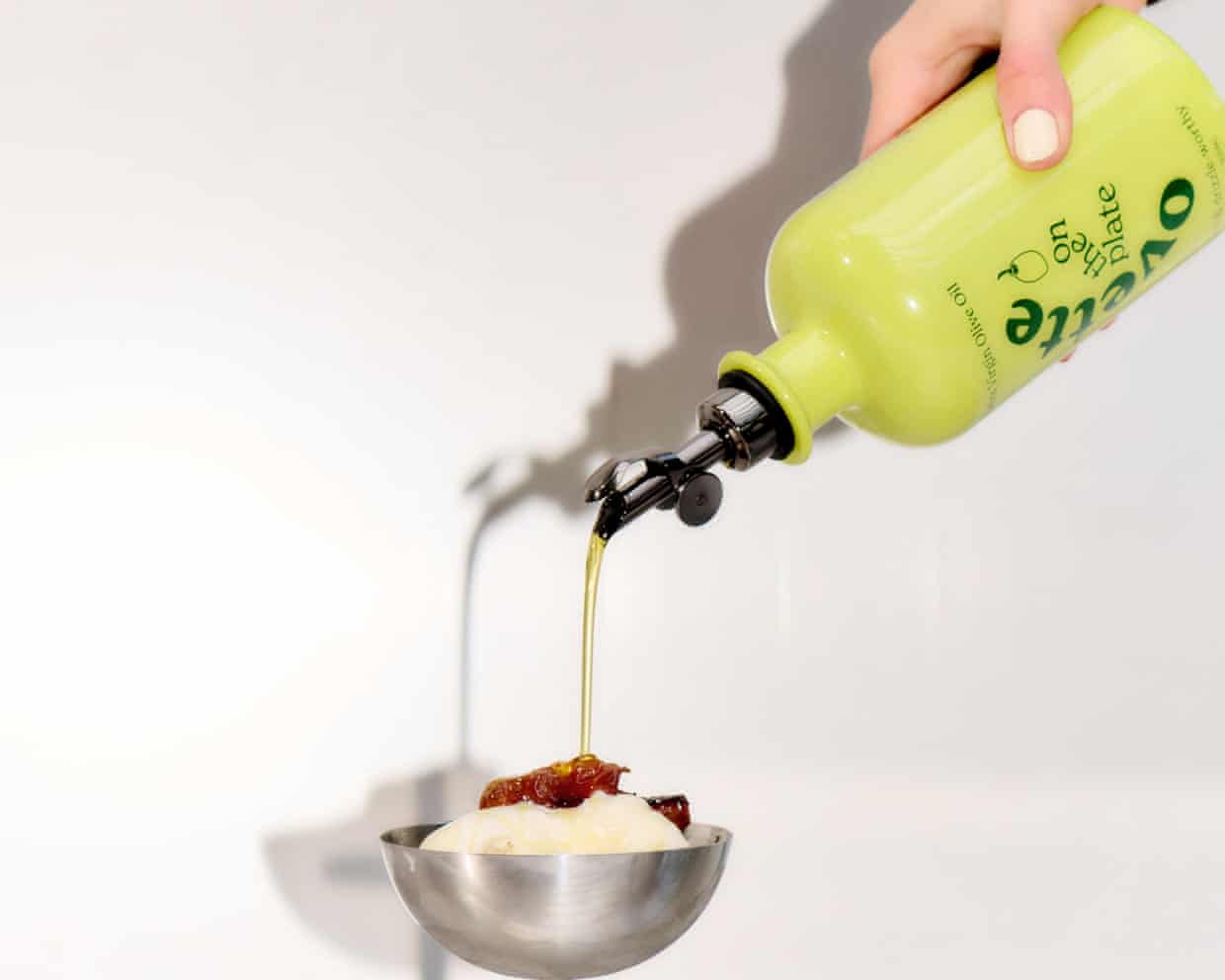
‘Premium but not ostentatious’: the best extra virgin olive oils to gift instead of wine
This festive season, olive oil is the new bottle of wine. If booze or a scented candle used to be a fail-safe gift option for a party, retailers and food experts are reporting a surge of interest in the kitchen cupboard staple.The Guardian’s journalism is independent. We will earn a commission if you buy something through an affiliate link. Learn more
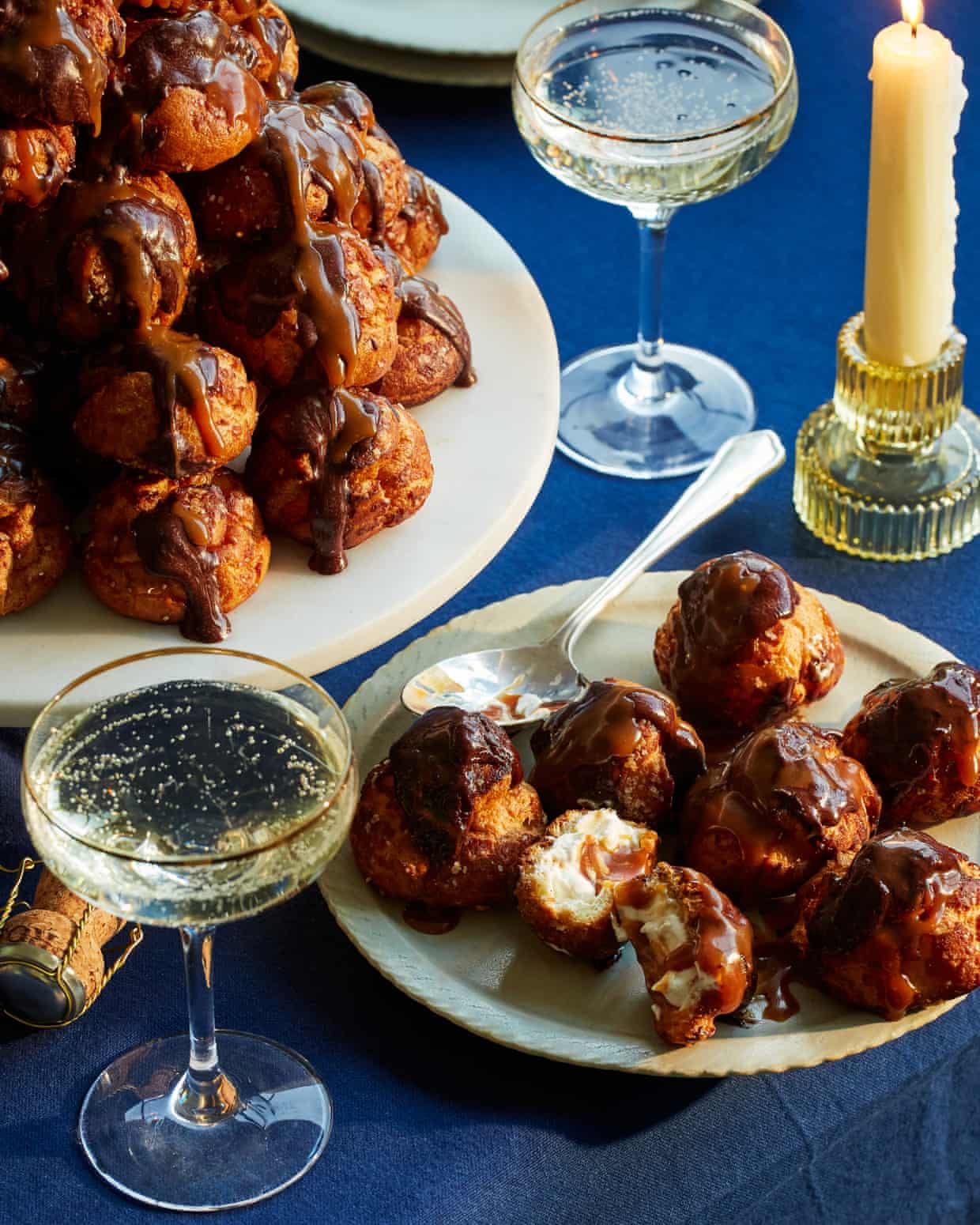
Benjamina Ebuehi’s coffee caramel and rum choux tower Christmas showstopper – recipe
Christmas is the perfect time for something a bit more extravagant and theatrical. And a very good way to achieve this is to bring a tower of puffy choux buns to the table and pour over a jugful of boozy chocolate sauce and coffee caramel while everyone looks on in awe. To help avoid any stress on the day, most of the elements can be made ahead: the chocolate sauce and caramel can be gently reheated before pouring, while the choux shells can be baked the day before and crisped up in the oven for 10 minutes before filling.Prep 10 min Cook 1 hr 15 min Serves 10-12120ml milk 120g butter ½ tbsp sugar A pinch of salt 160g strong white flour 4-5 large eggs, beatenDemerara sugar, for sprinkling400ml double cream ½ tsp vanilla bean paste ½ tbsp icing sugarFor the coffee caramel140ml double cream 2 tsp instant coffee or espresso powder110g sugar 50g unsalted butter A big pinch of flaky sea saltFor the chocolate sauce 150g dark chocolate 1½ tbsp brown sugar 2-3 tbsp rum A pinch of saltHeat the oven to 210C (190C fan)/410F/gas 6½ and line two large baking trays with baking paper. To make the choux, put the milk, 120ml water, butter, sugar and salt in a saucepan and bring to a rolling boil
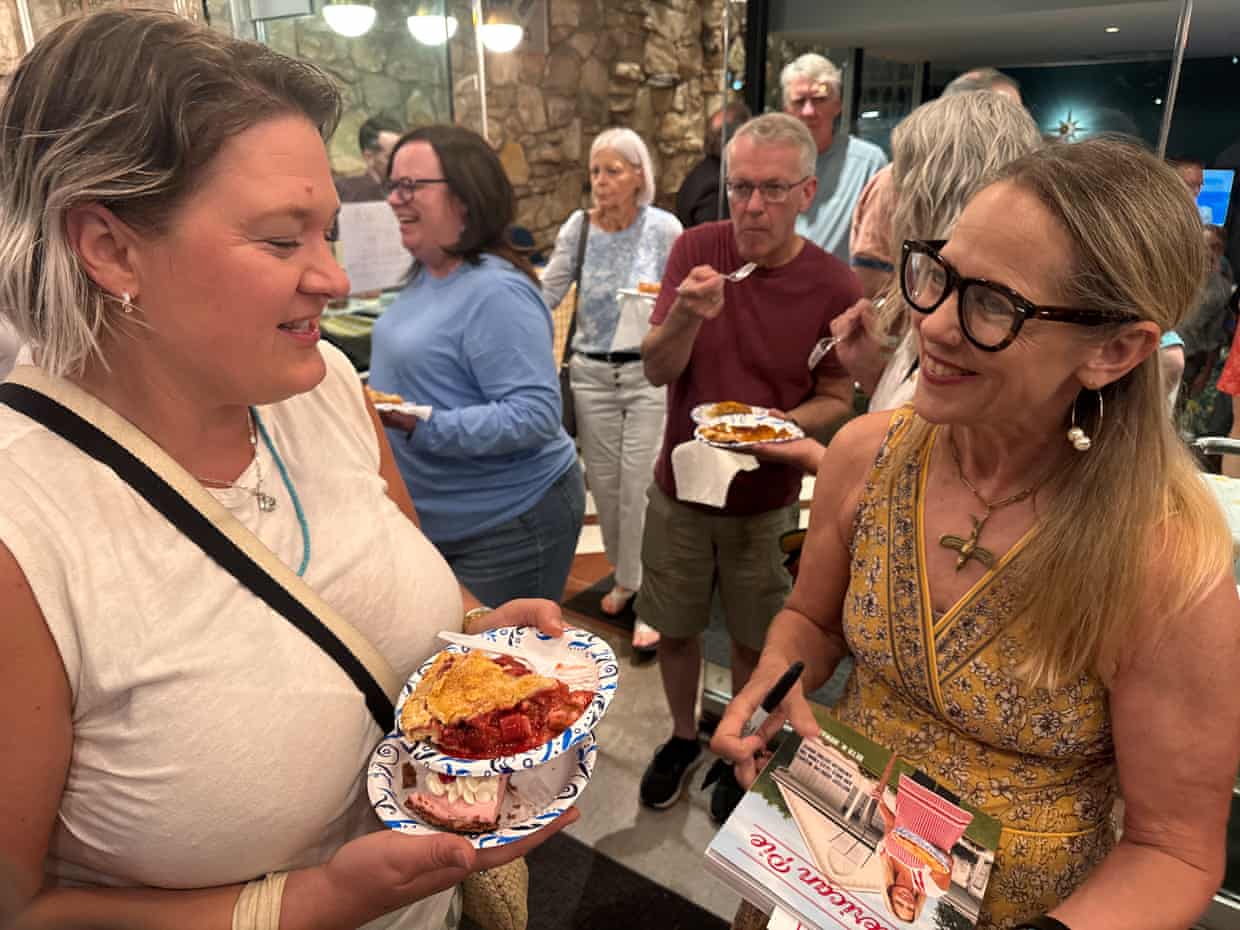
Facing burnout, she chased her dream of making pie - and built an empire: ‘Pie brings us together’
Thanksgiving may be a holiday steeped in myth and controversy – but there’s still something Americans largely agree on: there’s nothing wrong with the holiday’s traditional dessert. So says Beth Howard, expert pie maker, cookbook author, memoirist, and now documentary film-maker.The Guardian’s journalism is independent. We will earn a commission if you buy something through an affiliate link. Learn more
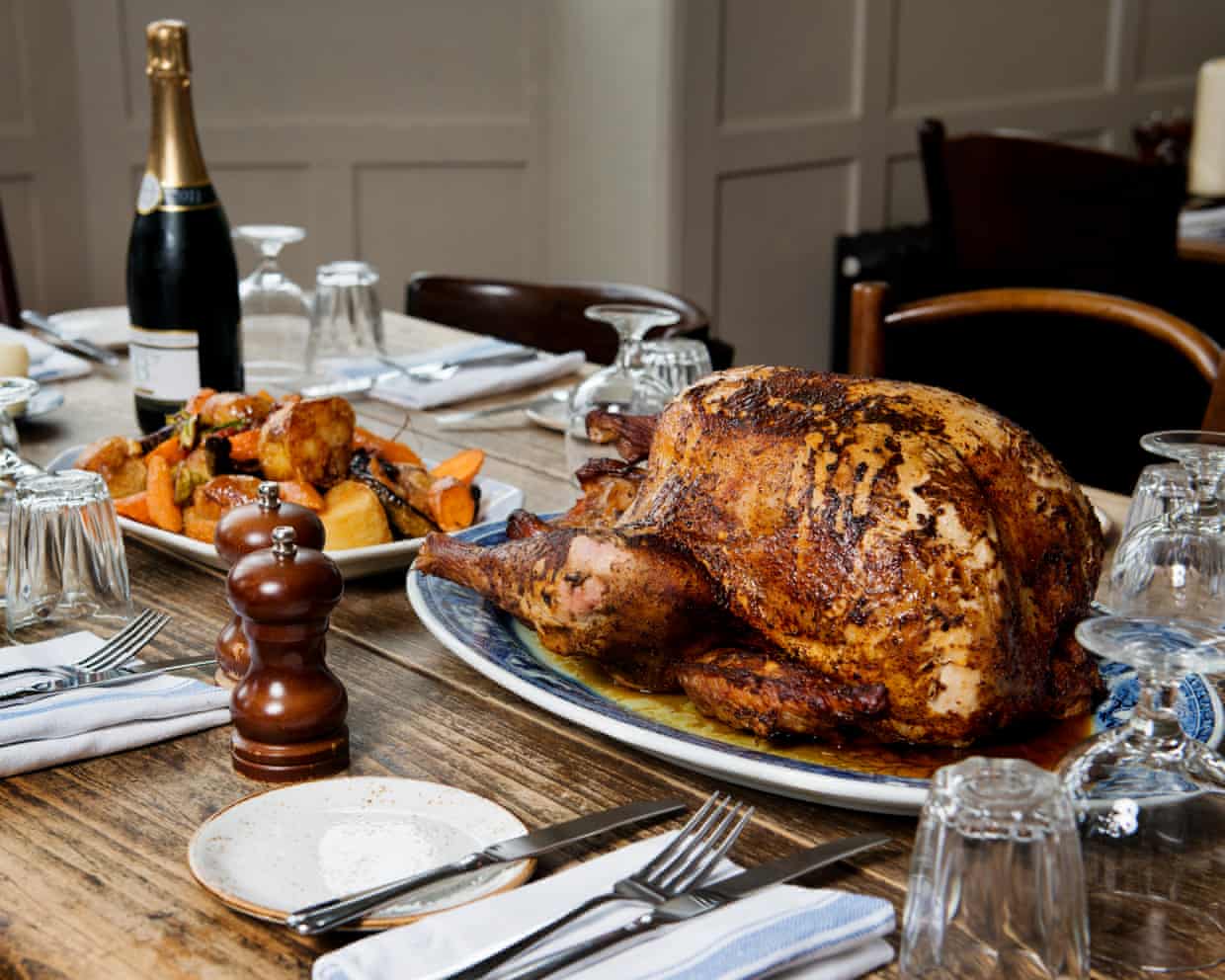
Yes, there are reasons to be cynical about Thanksgiving. But there’s also turkey …
It’s easy to be cynical about Thanksgiving. The origin story that we’re all told – of a friendly exchange of food between the pilgrims and the Native Americans – is, at best, a whitewashed oversimplification. And then there’s Black Friday, an event that has hijacked one of our few non-commercialised holidays and used it as the impetus for a stressful, shameless, consumerist frenzy.The Guardian’s journalism is independent. We will earn a commission if you buy something through an affiliate link

Production of French-German fighter jet threatened by rivalries, chief executive says

Tunbridge Wells water cut likely to last after treatment problem reoccurs

Sam Altman issues ‘code red’ at OpenAI as ChatGPT contends with rivals

The fight to see clearly through big tech’s echo chambers

Serena Williams quietly re-enters drug-testing pool in step toward possible 2026 return

Men’s Rugby World Cup 2027: how the draw will work and the new format explained